


Behringer X32 roundup
The Best Behringer X32s for the Money
Every Behringer X32 shares the same processing core. Here's which model actually suits your budget and workflow, tier by tier.
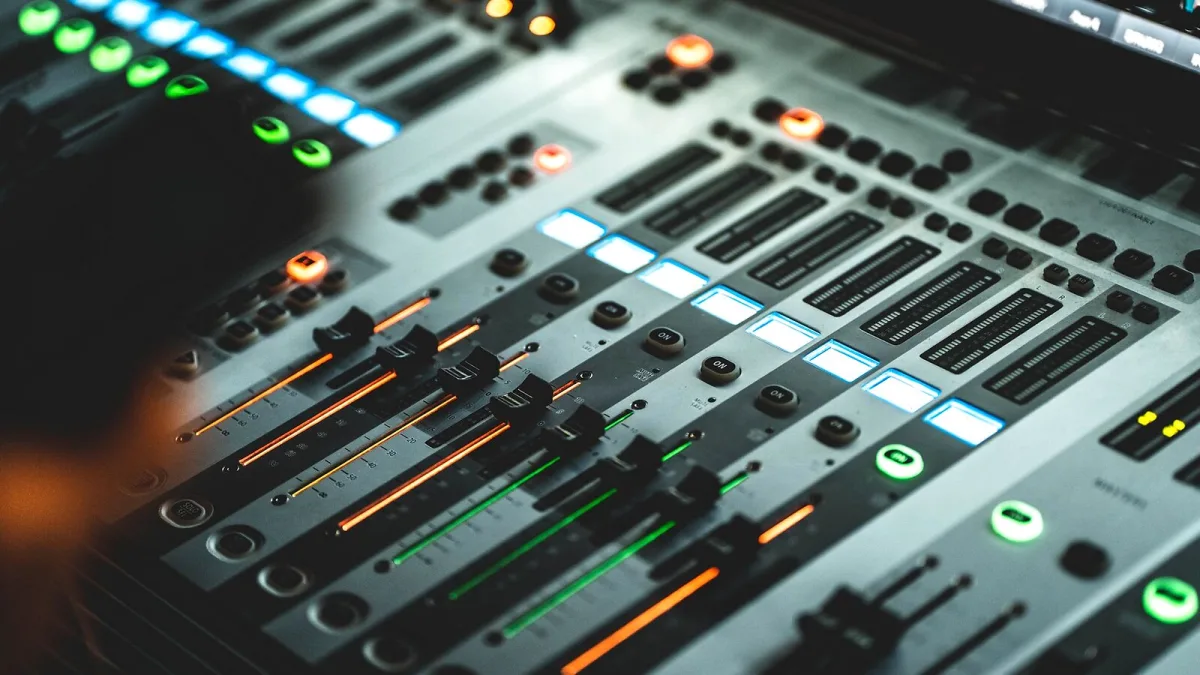
"Which Behringer X32 should I actually get?" comes up more than almost any other question I get asked at the desk. The honest answer is that there isn't one right Behringer X32 for everyone — there's a right choice for your budget and your job. Here's how I'd steer different engineers toward different models in the range, tier by tier.
How I've Sorted This
Rather than reviewing five nearly identical boxes, I've grouped the Behringer X32 family by what you're actually trying to achieve and what you're likely to spend: getting a full console workflow for the least outlay, getting maximum physical control, getting portability, and getting a system built for remote or installed use.
Best Value Overall: X32 Core
If your priority is the processing engine itself — the routing, the effects, the scene recall — rather than a bank of physical faders, the Core is the leanest way into the platform. It's a rack-format engine with no dedicated control surface, driven instead through a computer, tablet or external controller. For installations, houses of worship on a tight budget, or an engineer who already runs everything from an iPad, it delivers the same underlying architecture for meaningfully less outlay than a full surface.
Best for Hands-On Mixing: The Full-Size X32
For engineers who genuinely want to grab a fader mid-song rather than tap a screen, the full-size surface is worth the extra spend. It gives you the most physical faders, the most dedicated controls, and the layout most engineers coming from analogue desks find instantly familiar. If you're mixing bigger shows, touring regularly, or simply prefer working with your hands rather than a mouse, this is the one to budget for.
Best for Portability: X32 Compact and X32 Producer
Both of these keep the same 40-channel, 25-bus processing underneath a smaller footprint. The distinction between them comes down to layout and workflow emphasis rather than raw power:
| Model | Best suited to |
|---|---|
| X32 Compact | Production companies and venues needing a smaller surface with a similar hands-on feel to the full-size desk |
| X32 Producer | Rehearsal rooms, small live rigs and project-studio work where a production-leaning layout suits the job |
If your gigs mean the desk travels in a car boot rather than a truck, either of these gets you the same core capability without the size and weight of the full surface.
Best for Installed and Remote-Controlled Systems: X32 Rack
Where the Core strips things back to the processing engine alone, the Rack sits a step up: still primarily controlled remotely, but built into a conventional rackmount format that fits neatly into an equipment room alongside amplifiers and other installed gear. It suits venues where the console genuinely doesn't need to be touched by hand during a show, and control lives on a tablet at the mix position instead.
New or Used, Across the Range
Because the Behringer X32 has been around since 2012, every model in the family turns up regularly on the second-hand market alongside current new stock. That's genuinely good news for value: a well-maintained used Compact or Producer can undercut a new entry-level digital mixer from another brand while still delivering the full X32 feature set. Just test faders, preamps and scene recall thoroughly before you pay, whichever tier you're shopping in.
What You Get Regardless of Which You Choose
- 40 input channels and 25 mix buses on the same underlying platform.
- Eight stereo effects processors built in.
- Eight DCA groups for grouping faders.
- Total scene recall, plus more selective parameter recall.
- AES50 networking for a digital stage box such as an S16.
None of the family sacrifices the underlying processing power to hit a lower price — what changes between models is the physical surface and how you get to that processing, not the ceiling on what it can do.
Don't Forget the Ecosystem
Whichever tier you land on, factor in the wider ecosystem before you finalise a budget. Adding a digital stage box such as an S16 gets preamps right onto the stage and cuts cable runs, which pays off more on a full-size or Compact rig than on a small rehearsal-room setup. If in-ear monitoring is on your roadmap, the related P16 personal-monitor system rides on the same network, so it's worth checking compatibility early rather than as an afterthought once the desk is already installed.
My Honest Recommendation by Budget
- Tightest budget, happy to run from a tablet: X32 Core.
- Mid-range, want a proper hands-on surface without full size: X32 Compact or X32 Producer, depending on layout preference.
- Bigger budget, regular touring or larger venues: the full-size X32.
- Fixed installation with tablet control at front of house: X32 Rack.
Whichever you land on, our complete buyer's guide covers the specs worth double-checking before you pay, and our guide to how the platform actually works is worth reading if you want the full technical picture behind these recommendations.
The Bottom Line
Every model in the Behringer X32 range shares the same processing core, so the best Behringer X32 for you genuinely comes down to how you want to control it and how much physical console you actually need. Buy for your workflow, not for the biggest box on the shelf, and you won't go far wrong.





Comments