

8 Channel Mixer article
8 Channel Mixer Explained: Features, Types and Tips
Eight channels is the sweet spot for a lot of applications. Here's what this type of desk actually does, how the different types compare, and who each version suits.
Eight channels is the sweet spot for a lot of use cases: enough for a four-piece band with a few effects returns, more than enough for a podcast setup, and compact enough to carry in a bag. Understanding what this type of desk actually does — and what separates the different types available — takes about ten minutes and saves you from buying the wrong thing.
What Is an 8 Channel Mixer?
A mixer is the central hub of any audio system: it receives multiple audio sources, allows you to adjust level, tone and routing for each one, and combines them into one or more outputs. An 8 channel mixer has eight input channels — typically a combination of mono XLR/jack inputs for microphones and instruments, sometimes with stereo line inputs that count as two channels but occupy a single physical channel strip. The output is usually a stereo main mix (left and right) at both XLR and jack, with additional auxiliary outputs for monitoring or effects sends.
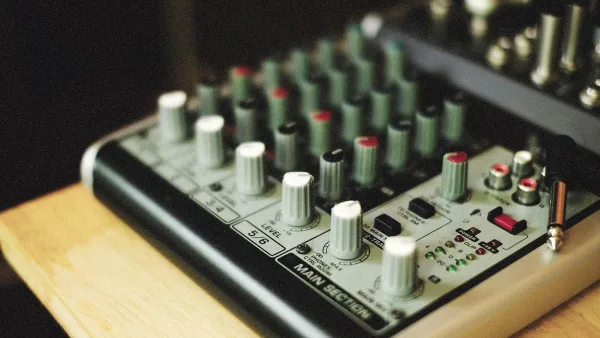
The basic controls on each channel are consistent: a gain trim at the top (which sets the input level before the channel fader), an EQ section (usually three bands: high, mid and low), one or more aux sends, and a channel fader at the bottom. The main mix fader sits separately to the right.
Analogue vs Digital
The most important distinction in the current market is between analogue and digital models. Analogue mixers operate with a fully hardware signal path: every adjustment you make physically changes the audio. They're straightforward to use, have no latency, and are generally faster to set up from scratch. The Mackie 802VLZ4, Allen & Heath ZED-8FX and Soundcraft Signature 10 are typical mid-range options in this category.
Digital mixers process audio through internal DSP. They store scene recalls (you can save and load a full desk setup), typically include a built-in effects processor, and are often controllable remotely via tablet or phone. They're more complex to learn initially but offer significant advantages once understood. The Zoom LiveTrak L-8 and Behringer X Air XR12 are common choices in this category at mid-range prices.
Common Features
Phantom power (48V) is available on most models, supplied to XLR inputs for condenser microphones that require it. Insert points — on higher-end analogue models — allow external processors to be placed in individual channels for dynamics control or EQ. Built-in digital effects (reverb, delay, chorus) are standard on mid-range and above, though the quality varies significantly between manufacturers.
Typical Use Cases
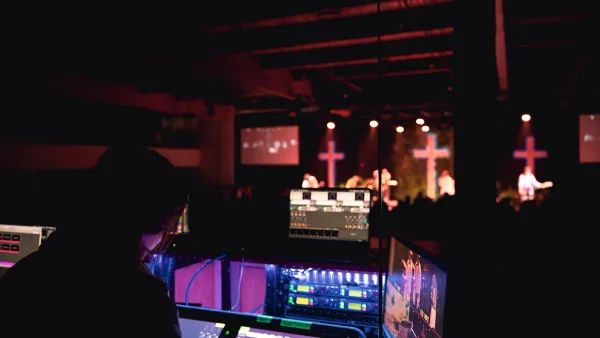
A small live band — three vocals plus a DI'd keyboard, for example — fits comfortably on an 8-input desk with channels to spare. Church or small venue AV setups with two or three microphones and a few playback sources are another common application. Home recording with multiple microphones (drum recording aside), podcasting, streaming and broadcast setups all benefit from the flexibility and control a full mixing desk provides over a simpler audio interface. For a breakdown of the best models at different price points, the best models guide covers each one in detail.




Comments