


Bluetooth Speaker article
Common Bluetooth Speaker Mistakes to Avoid
Bluetooth speakers are low-maintenance kit, but the category is full of small traps. Here are the mistakes that catch people out most often — and how to sidestep them.
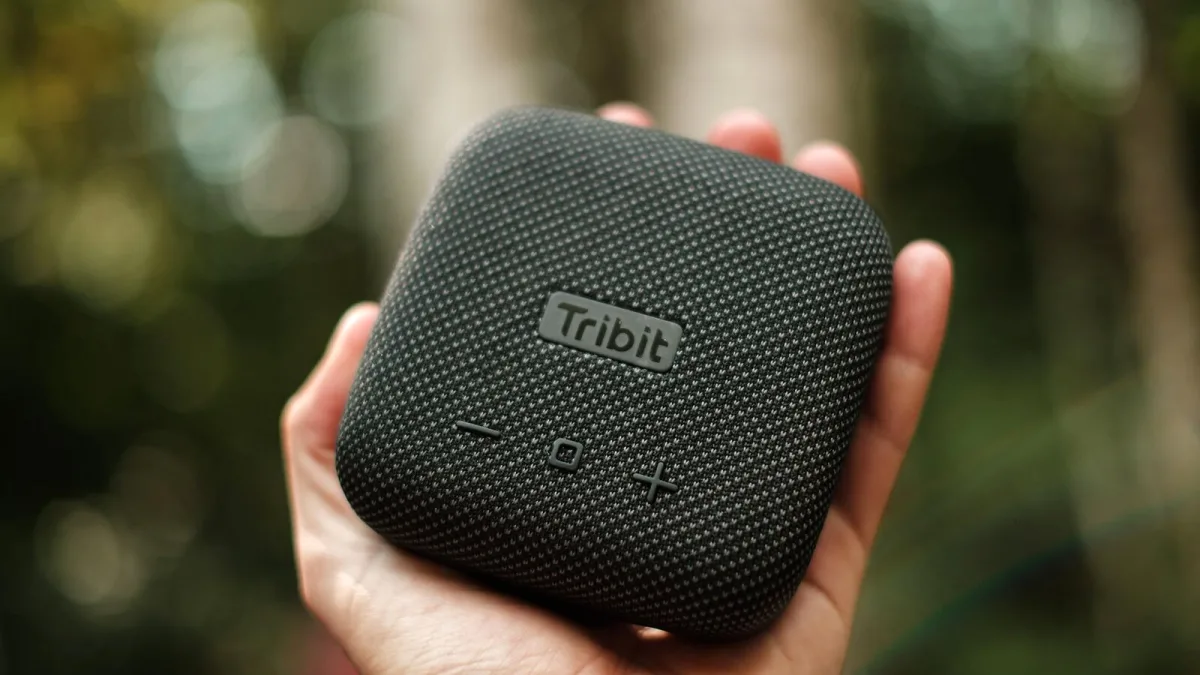
Bluetooth speakers are, in most respects, a pleasantly low-maintenance bit of kit. But the category is full of small traps — misleading specs, easily avoidable pairing headaches, and a few habits that quietly wreck your battery over time. These are the mistakes worth knowing about before they cost you money or patience.
Buying by Peak Wattage Instead of RMS
This is the most common one. Manufacturers plaster peak wattage figures on boxes because the number is bigger and more impressive-sounding than the honest alternative. Peak wattage is the brief maximum the amplifier can reach before distorting — it bears no useful relationship to everyday listening performance.
The number you actually want is RMS (root mean square) wattage — the sustained, continuous output. A speaker claiming 40 W peak might only deliver 10 W RMS in practice. That 10 W figure is the one that tells you how loud it gets before the sound goes ragged. If a listing doesn't quote RMS, treat the wattage figure with suspicion.
Paying for LDAC or aptX HD When Your Phone Doesn't Support Them
Higher-quality audio codecs — aptX HD, LDAC — only work when both the speaker and source device support the same format. If your phone doesn't support the codec, the connection falls back to SBC or AAC, and you've paid a premium for nothing.
- iPhone users: iPhones transmit AAC. An LDAC or aptX speaker falls back to AAC. The LDAC premium is entirely wasted.
- Android users: Check your phone's developer settings (look for "Bluetooth audio codec"). Many mid-range Android phones support aptX but not LDAC. Sony Android phones tend to support LDAC natively.
Check your phone's codec support before paying for a premium-codec speaker.
Confusing "Water-Resistant" with "Waterproof"
The phrase "water-resistant" without an IP (Ingress Protection) code attached to it means almost nothing. A speaker that's genuinely fine in a rain shower and one that'll be damaged by a stray splash can both be sold as "water-resistant." The IP rating is the only reliable measure.
IPX4 handles splashes and rain — fine for a kitchen or a garden table. IPX7 can be submerged to one metre for thirty minutes — proper poolside protection. Taking an IPX4-rated speaker on a kayaking trip and wondering why it stops working is a mistake that costs people money every summer.
Storing the Speaker at 100% Charge Indefinitely
Lithium-ion batteries degrade faster when stored at full charge for long periods. If you're not using the Bluetooth speaker for a week or more, charging it to around 40–60% before putting it away is meaningfully kinder to the cells than leaving it plugged in at 100%.
Similarly, charging overnight every night when the battery was at 80% to start with adds unnecessary cycles. Lithium cells have a finite number of charge cycles — you don't need to be obsessive about it, but charging only when actually needed is a reasonable habit.
Expecting Bluetooth to Work Reliably Through Thick Walls
Bluetooth is a line-of-sight radio technology at heart. It handles open spaces well and manages modest obstacles acceptably. Thick concrete walls, multiple rooms, and steel structures all attenuate the signal significantly. The 10-metre range figure assumes a reasonably clear path.
If you find yourself wandering far from your speaker with your phone, or walking into an adjacent room, dropouts are expected — not a sign of a faulty unit. The solution is either to stay within range or to consider a Wi-Fi-based speaker for whole-home use instead.
Underestimating the Size of "Portable" Party Speakers
The word "portable" does a lot of heavy lifting in the marketing for large party speakers. A 50 W Bluetooth speaker with a five-hour battery and a carrying strap is technically portable — but it might weigh six kilograms and be the size of a small suitcase. If you're planning to carry it on public transport or in a rucksack, check the dimensions and weight before buying, not after.
The genuinely portable end of the market — JBL Flip-size, Bose SoundLink Flex-size — is excellent and actually pocketable. The large party-speaker category is a different beast entirely.
Ignoring Multipoint If You Switch Devices Often
Multipoint Bluetooth lets a speaker connect to two source devices simultaneously. If you work from home and want to switch between a laptop and a phone without going into Bluetooth settings to re-pair every time, multipoint is quietly brilliant. It's not a feature that's universally needed — but if you find yourself constantly re-pairing, it's worth specifically checking for when you next buy.
Most speakers in the £100-plus bracket now include it. Some cheaper ones do too; it's worth a quick confirmation on the spec sheet.
Leaving Bluetooth Active on Both Devices When You're Done
A small but real battery drain on both the speaker and your phone: leaving Bluetooth active and the two devices in range of each other, still technically paired and listening for each other, even when you've finished listening. Turning off the speaker (rather than just stopping playback) closes the connection and stops the idle current draw. It's a minor thing on modern batteries, but worth the habit over the life of the device.
Expecting Hi-Fi Quality From a Sub-£50 Speaker
This isn't a knock on budget speakers — they do a decent job for what they are. But a portable Bluetooth speaker at this price point has small drivers, limited amplification, and housing that doesn't help bass extension. Listening to a carefully mastered jazz record on one and finding it thin or harsh isn't the speaker's fault; it's a mismatch of expectations.
If audio quality is genuinely important to you, the jump from £40 to £100 is proportionally much more significant in Bluetooth speakers than in almost any other audio category. Understanding what's in each price tier is easier with a proper breakdown — the full buyer's guide covers it in detail, and the Bluetooth speaker explainer goes into the underlying technology if you want to know why those differences exist.
The Takeaway
None of these are catastrophic mistakes — they're just the things that consistently trip people up when buying or using a Bluetooth speaker. Check the RMS figure, verify your phone's codec support, read the full IP code, store the battery sensibly, and manage your range expectations. Do that, and a Bluetooth speaker becomes one of the most reliably satisfying bits of kit you'll own.





Comments