


Bluetooth Speaker roundup
Bluetooth Speaker: A Complete Buyer's Guide
Wattage figures, IP codes, and codec names can make buying a Bluetooth speaker feel more complicated than it should be. This guide cuts through the noise.
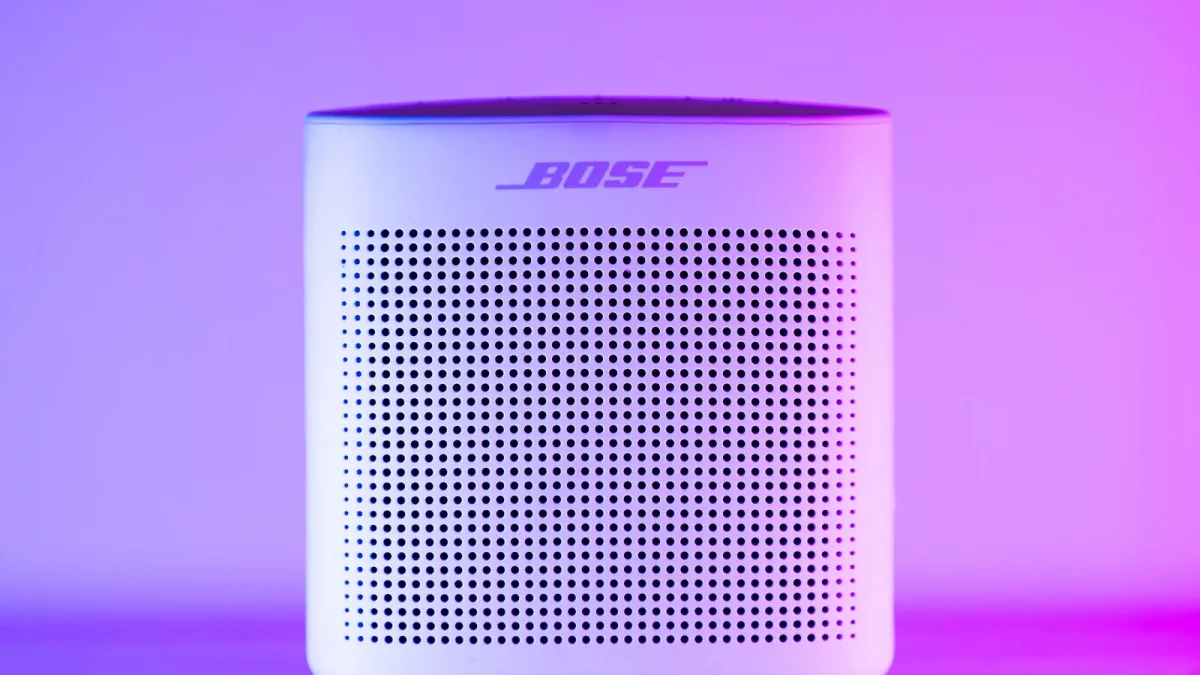
Choosing a Bluetooth speaker is, on the surface, simple enough — until you confront a wall of specifications that seem designed to obscure rather than inform. Wattage figures that don't mean what you'd expect, waterproof ratings used interchangeably with "water-resistant," and codec names that only matter in very specific circumstances. This guide cuts through all of it so you can spend confidently and take home something you'll actually enjoy.
Start With How You'll Actually Use It
The single most useful question to ask yourself before looking at any spec is: where and how will this speaker live? A speaker that excels in a kitchen will likely disappoint on a camping trip, and vice versa. Be honest about your use case and everything else follows from that.
- Indoor, stationary: Prioritise audio quality, bass extension, and driver size over battery life and ruggedness.
- On the move, outdoors: Waterproofing and battery life become primary concerns; accept slightly smaller drivers.
- Social gatherings: Volume headroom and party-mode features (multiple speaker sync) matter most.
- Travel: Weight and form factor are the deciding factors — look for something that fits a side pocket without shame.
Wattage: Ignore the Peak, Focus on RMS
Power output is the most consistently misrepresented figure in Bluetooth speaker marketing. The number you want is RMS (root mean square) wattage — the continuous, sustained output the amplifier can deliver cleanly. Peak wattage is the brief maximum the hardware can reach before distorting; it tells you very little about how the speaker performs in everyday use.
As a practical guide:
- 5–10 W RMS: Fine for a desk, a small bedroom, or quiet outdoor listening with a handful of people.
- 20–40 W RMS: Fills a kitchen or living room confidently; handles a small garden gathering.
- 50 W+ RMS: Needed for genuine outdoor projection — parties, beaches, large open spaces.
Distortion at volume is the other side of this coin. Cheap drivers hit their limits well before the spec sheet suggests they should, producing a harsh, compressed sound. If you like listening loud, seek out user reviews that specifically mention high-volume performance.
Waterproofing: Read the IP Code, Not the Marketing
The IP (Ingress Protection) code consists of two numbers. The first covers dust; the second covers water. When there's an X in place of a number (IPX7, for instance), it means that particular test was not performed — not that it failed. Common ratings and what they mean in practice:
| IP Rating | Water Protection | Practical Use |
|---|---|---|
| IPX4 | Splashes from any direction | Kitchen, light rain |
| IPX5 | Water jets | Shower, heavy rain |
| IPX6 | Powerful water jets | Outdoors in heavy downpours |
| IPX7 | Submersion 1 m for 30 min | Poolside, beach, kayaking |
| IP67 | Submersion 1 m for 30 min + dust-tight | Dusty outdoor environments with water risk |
For the beach or the pool, IPX7 is the minimum. For a kitchen counter or the occasional caught-in-the-rain moment, IPX4 is perfectly adequate. "Water-resistant" without an IP code means very little and should be treated with scepticism.
Audio Codecs: Only Relevant If Both Devices Support Them
Bluetooth audio is compressed before transmission. The codec used determines the quality of that compression. This only becomes meaningful, however, when both the speaker and your source device support the same codec — otherwise everything falls back to SBC, the universal standard.
- iPhone users: AAC is the relevant codec. An LDAC or aptX speaker will fall back to SBC or AAC with an iPhone — the LDAC premium is wasted.
- Android users: aptX, aptX HD, and LDAC are all viable depending on your device. Check your phone's developer settings to confirm which codecs it supports.
- aptX LL: Worth seeking out specifically if you watch video or play games — it reduces latency to around 32 ms, eliminating the lip-sync drift you'd otherwise notice.
Battery Life: The Advertised Figure vs Reality
Battery life claims are typically measured at 50–60% volume. At full volume outdoors, expect 30–40% less. For a ballpark:
- Small portables (JBL Go size): 5–8 hours realistic
- Mid-size portables (JBL Flip, Sony SRS-XB43): 10–14 hours realistic
- Larger models (JBL Charge, Bose SoundLink Max): 16–22 hours realistic
Some speakers include a USB-A output to charge your phone — a genuine convenience if you're out for the day. USB-C charging (faster and universal) is now the norm on anything made in the last couple of years; avoid micro-USB if you can, purely for cable convenience.
Connectivity Features Worth Paying For
Not all connectivity extras are equally useful. Here's what's genuinely worth the premium:
- Multipoint Bluetooth: Pairing to two devices simultaneously is quietly brilliant — no more re-pairing when you switch from laptop to phone. If you work from home or move between devices regularly, this alone justifies paying a touch more.
- Stereo pairing: Two of the same speaker in left/right configuration. Worth considering if you listen critically at home.
- Aux input: Increasingly rare, but still useful when someone else's phone isn't Bluetooth-compatible or the battery's flat.
NFC pairing is a convenience rather than a necessity — it speeds up the initial connection on Android but becomes irrelevant once the speaker is in your regular pairing list.
Price Tiers: What Changes as You Spend More
The Bluetooth speaker market is broadly honest about what money buys:
- Under £70: Expect usable sound and reasonable battery, but limited bass extension and often cheaper plastics. Anker Soundcore and JBL Go-class speakers live here. Perfectly good for casual kitchen or desk use.
- £70–£180: The quality jump is real. JBL Flip, Sony SRS-XB43, and Bose SoundLink Flex occupy this space. More coherent sound, proper waterproofing, and the connectivity features that matter.
- £180–£350: Noticeably better audio. Bose SoundLink Max, Marshall Tufton, UE Hyperboom. The diminishing-returns zone begins, but the difference is audible on well-recorded music.
- Over £350: Bang & Olufsen territory. Primarily for buyers who care about the aesthetics and material quality as much as the sound, or who are building a serious home listening setup.
What to Avoid
A few pitfalls that catch buyers out repeatedly. For a fuller treatment, our companion piece on common Bluetooth speaker mistakes covers the detail — but in brief: don't buy by peak wattage, don't pay for an LDAC speaker if you use an iPhone, don't assume IPX4 means you can submerge it, and don't expect a £40 speaker to perform like a £150 one.
If you're new to wireless audio and want the basics explained before diving into specs, the beginner's guide is a better starting point.
The Bottom Line
The best Bluetooth speaker for you is the one that fits your actual listening habits — not the highest spec sheet you can justify. Pin down your use case, check the RMS wattage, verify the IP rating if water is a risk, confirm the codec matches your phone, and make sure the battery life claim allows for real-world volume. Do those five things and you're unlikely to be disappointed.




Comments