


Yamaha Fg800 article
Yamaha Fg800 for Beginners: A Complete Guide
Bringing home your first guitar is a lovely, nerve-wracking moment. Let's get you settled in with it, one step at a time.
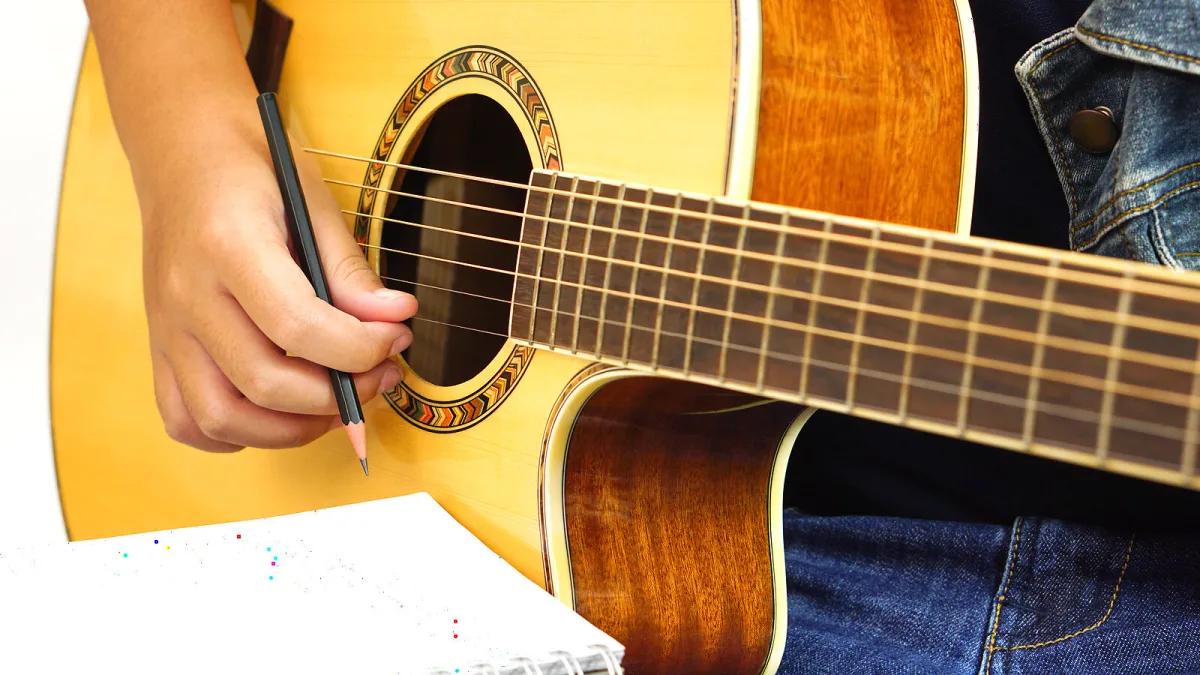
Bringing home your very first guitar is a lovely, slightly nerve-wracking moment, and if that guitar happens to be a Yamaha FG800, you've made a genuinely sensible choice. Let's take things gently and get you settled in with it, one step at a time.
Why This Is a Kind Guitar to Learn On
The Yamaha FG800 has a solid spruce top, which simply means it sounds fuller and more responsive than many budget guitars, even when your chords aren't quite clean yet. That matters more than you'd think when you're starting out — a guitar that rewards your effort with a decent sound keeps you motivated in a way a thin, tinny instrument just doesn't.
Getting to Know Your New Guitar
Before you worry about chords or strumming patterns, spend a little time simply holding it. Notice how the body sits against you, where your strumming arm rests, and how your fretting hand wraps around the neck. It's a full-size, dreadnought-shaped instrument, so if it feels a little big at first, that's completely normal and nothing to worry about — your body adjusts to it faster than you'd expect.
Your First Few Sessions
- Learn to tune it properly, every single time you pick it up. A guitar that's out of tune will make even a correctly played chord sound wrong, and that's genuinely discouraging for a beginner.
- Start with open chords, not barre chords. Simple shapes like E minor, A and D let you make real music almost immediately, and the confidence that builds is worth more than rushing ahead.
- Keep sessions short and regular. Fifteen or twenty focused minutes most days will get you further than one long, frustrating session once a week.
- Be patient with your fingertips. A little soreness while calluses build is normal; sharp pain isn't, and that's worth checking with a teacher or a shop if it happens.
Getting the Setup Right for Comfortable Playing
If your Yamaha FG800 feels genuinely hard to press down, don't assume that's just what learning guitar feels like — it might not be set up quite right for you yet. A good music shop can check the neck relief and the string height at the 12th fret and adjust things so the guitar meets your fingers halfway rather than fighting you. This one adjustment can transform how enjoyable those early weeks feel.
Looking After It as You Learn
Use proper steel acoustic strings, and consider a lighter gauge to begin with — they're simply kinder on fingers that haven't built up calluses yet. Because the top is solid wood, keep the guitar away from radiators and don't leave it somewhere that swings between damp and very dry. A case or a padded gig bag is a genuinely worthwhile early purchase, both for protection and for peace of mind.
A Few Things Nobody Tells New Players
A brand new set of strings will go out of tune more than usual for the first few days — that's completely normal as they stretch and settle in, not a fault with your guitar or your tuning technique. Your fretting hand will likely ache a little more than your strumming hand at first, since it's doing the more unfamiliar work. And it's genuinely fine to look at a chord chart every single time for weeks; memorisation comes from repetition, not from trying to force it early.
A Gentle Word on Progress
Everyone's fingers feel clumsy at first, and everyone's chords buzz and squeak before they don't. That's not a sign you've chosen badly or that you're not cut out for this — it's simply what learning any instrument looks like at the start. Your Yamaha FG800 will sound better as your technique improves, and your technique will improve faster than you expect if you're consistent, even in small doses.
Want to understand the guitar's construction properly now that you own one? Our full explainer covers the spec sheet in friendly detail. Wondering whether you chose the right model or considering an upgrade down the line? Our buyer's guide covers that honestly too.
The Bottom Line
You don't need to get everything right immediately. Tune it often, start with simple chords, keep your practice short and regular, and be kind to yourself while your fingers catch up with your enthusiasm. That's genuinely all it takes to get going properly.





Comments