


Yamaha Fg800 roundup
Yamaha Fg800: A Complete Buyer's Guide
A solid buy for the price, but not right for everyone. Here's what actually matters before you hand over any money.
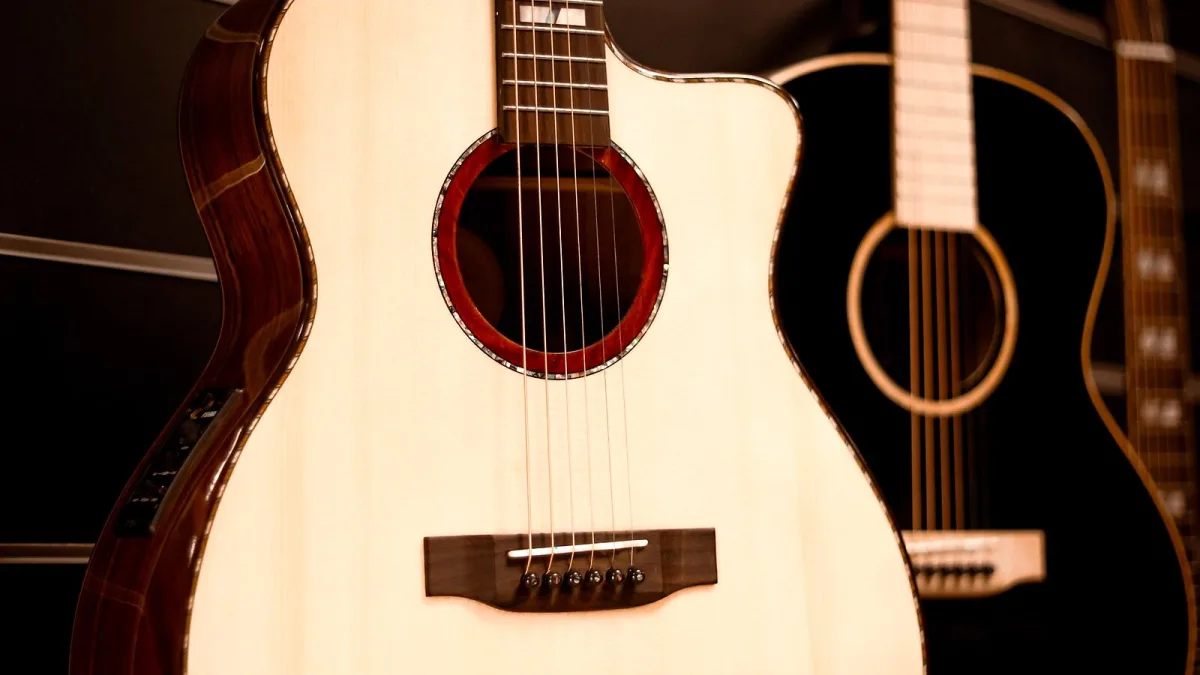
Right, straight answer first: the Yamaha FG800 is a genuinely solid buy for the price, but "solid buy" doesn't mean "right for everyone." Let's go through what actually matters before you hand over any money, and where a sibling model might serve you better.
The One Spec That Actually Justifies the Price
Solid spruce top, laminated nato/okoume back and sides. That's the deal, and it's a genuinely good one at this price point — plenty of guitars this cheap go fully laminated, top included, and that's the single biggest thing separating a decent beginner guitar from a disposable one. Solid wood opens up and develops character as it's played over years; laminate mostly just sits there sounding the same forever. You're not getting a fully solid-wood instrument with the Yamaha FG800, but you are getting the part of the guitar that matters most for tone.
Who This Actually Suits
- Adults and teenagers wanting a full-size, full-volume strumming guitar for songs and singer-songwriter accompaniment.
- Players who don't need onboard electronics and are happy micing it up or adding a pickup later if that changes.
- Anyone who wants proper low-end and projection from a dreadnought-style body rather than a smaller, quieter instrument.
If you're buying for a smaller player, a younger kid, or anyone who's found a full dreadnought physically awkward before, look at the FS800 instead — same solid spruce top idea, smaller concert-style body, easier to wrap your arms around.
The Competition Outside Yamaha's Own Range
It's not just an internal Yamaha decision, either. Similarly priced solid-top dreadnoughts from other brands turn up regularly at this end of the market, and it's worth trying a few in person before you settle on anything, this guitar included. Specs on paper only tell you so much; how the neck feels in your hand and how the guitar responds to your own strumming or picking style matters just as much as any wood combination written on a spec sheet.
Compare Before You Commit
| Model | What's different | Worth it if… |
|---|---|---|
| FS800 | Smaller concert body, same solid top idea | You want comfort over maximum volume |
| FG830 | Upgraded back/side materials, fancier looks | You've got a bit more budget and want nicer appointments |
| FGX800 | Built-in pickup and preamp | You need to plug into an amp or PA regularly |
Don't buy the FG830 just for the looks if the FG800's actual tone and playability suit you fine — you're paying for appearance and materials that don't necessarily change how it sounds or plays in your hands.
Checking the Actual Yamaha FG800, Not Just the Spec Sheet
A model name guarantees a spec sheet, not a perfect individual instrument. Before you buy, or as soon as you get one home, check:
- Neck relief — a small, even forward bow, nothing excessive.
- Action at the 12th fret — shouldn't feel like a workout for basic chords.
- Intonation — fretted notes should stay in tune with the open string up the neck.
- Fret ends and the bridge — no sharp edges, no lifting, no bellying around the bridge.
A cheap setup fee at a local shop can transform a mediocre out-of-the-box feel into something genuinely enjoyable to play, and it's money worth spending on any guitar at this level.
What You're Not Getting
No onboard electronics on the standard FG800, so factor in a microphone or an aftermarket pickup if you'll ever need amplification. And it's a big, full-size instrument — not a travel guitar, not a small-bodied option, and not the most comfortable choice for genuinely small hands or frames.
It's also worth being realistic about accessories. Budget for a gig bag or case, a decent tuner, spare strings and a proper setup if the shop hasn't already done one, because the guitar itself is only part of what makes a first acoustic actually enjoyable to own.
Want the full spec rundown before deciding? Our complete explainer covers construction and tone in more depth. Buying your very first acoustic and feeling a bit lost? Our beginner's guide is a friendlier place to start than a spec comparison.
The Bottom Line
Buy the Yamaha FG800 if you want a full-size, full-voiced acoustic with a genuine solid top and don't need built-in electronics. Look at the FS800 for comfort, the FG830 for looks, or the FGX800 for amplification if any of those matter more to you than what the FG800 already does well.






Comments