


Yamaha Fg800 article
Yamaha Fg800 Explained: Features, Types and Tips
A budget acoustic with a genuine solid top. Here's exactly what's inside the Yamaha FG800, spec by spec.
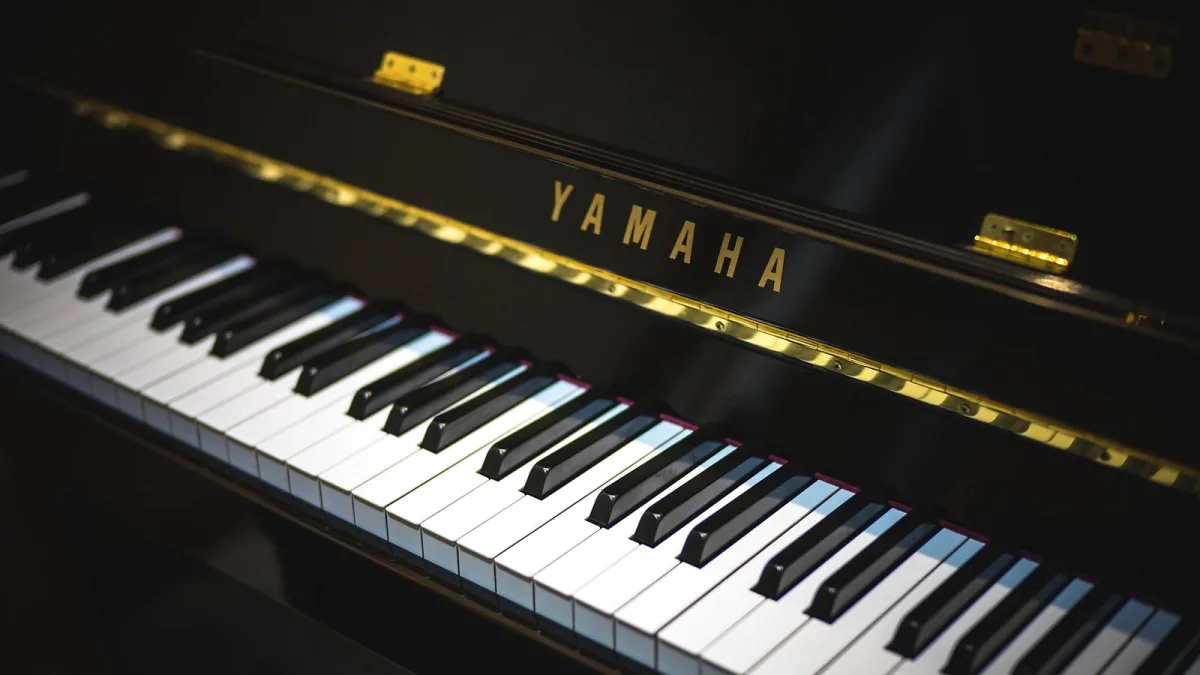
I know, I know — a budget acoustic doesn't sound like my usual territory. But the Yamaha FG800 earns a proper look even from someone who normally cares about gain stages and pickup output, because the spec sheet on this thing genuinely punches above what the price tag suggests. Let's get into what's actually inside it.
The Headline Spec: A Real Solid Top
Here's the bit that actually matters: the FG800 has a solid spruce top, not a laminated one. Solid wood moves and opens up tonally as it's played in over months and years, in a way laminate simply can't. Pair that with Yamaha's scalloped X-bracing — carved to let specific parts of the soundboard flex more freely — and you get more projection and openness than you'd expect from an entry-level instrument. The back and sides are nato/okoume, a laminated tonewood combination that keeps costs down without dragging the whole guitar down with it.
Body, Neck and the Numbers
| Spec | Detail |
|---|---|
| Body shape | Yamaha's "Traditional Western" shape — essentially dreadnought-sized |
| Top | Solid spruce |
| Back and sides | Nato/okoume (laminate) |
| Bracing | Scalloped X-bracing |
| Scale length | Approximately 650mm (25 9/16") |
| Nut width | Approximately 43mm (1 11/16") |
| Frets | 20, with 14 clear of the body |
| Tuners | Die-cast chrome |
| Electronics | None — acoustic only |
That full dreadnought body is where a lot of the character comes from. It moves serious air, which means proper low-end thump for strumming and singer-songwriter accompaniment. The trade-off is size: it's a genuinely big instrument, and it can feel like a lot of guitar for smaller players or younger hands.
What It Actually Sounds Like
Spruce tops tend to be bright and responsive rather than warm and woolly, and that holds true here — the Yamaha FG800 has plenty of top-end clarity, which suits aggressive strumming and flatpicking just as well as it suits gentler fingerstyle playing. It's not going to sound identical to a guitar three times the price, but it's a genuinely honest, unfussy voice, and the scalloped bracing helps it open up rather than sounding choked or boxy the way some cheaper laminated tops can.
Where the Yamaha FG800 Sits in the Family
Yamaha doesn't stop at one model, and knowing the siblings helps you understand what you're actually choosing. The FS800 uses the same solid spruce top idea in a smaller concert-sized body, trading some low-end power for comfort. Step up to the FG830 and you get upgraded back-and-side materials and fancier appointments for a bit more money. Want to plug straight into an amp or PA? The FGX800 adds onboard electronics that the standard FG800 simply doesn't have.
No Electronics, and That's Fine
Worth saying plainly: there's no pickup or preamp built in here. If you want amplification, you're looking at a microphone for recording, or fitting an aftermarket soundhole or undersaddle pickup afterwards. For bedroom playing, songwriting and unplugged gigs, that's a complete non-issue.
Strings, Care and Keeping It Sounding Right
Use proper steel acoustic strings on the Yamaha FG800, never nylon classical strings — the guitar's built for steel-string tension and won't sound or play right otherwise. Lighter gauges are friendlier on beginner fingertips; mediums add volume and punch at the cost of a bit more finger effort. Because that top is solid wood, it's genuinely sensitive to humidity swings — keep it away from radiators and direct heat, and don't leave it somewhere that swings hard between damp and bone-dry. A cracked top or a neck that's shifted out of shape is a much bigger headache than remembering to store the thing sensibly.
Setup Checks Worth Doing on Any New Guitar
- Neck relief — a small, controlled forward bow, not excessive.
- Action — string height at the 12th fret shouldn't feel like a workout.
- Intonation — check it plays in tune up the neck, not just open.
- Fret ends and bridge — no sharp edges, no lifting or bellying.
A model name doesn't guarantee a perfect factory setup on every single unit, so check the actual guitar in front of you rather than assuming.
Working out whether this is the right buy for you specifically? Our complete buyer's guide weighs it against the alternatives properly. Picking up your first ever acoustic? Our beginner's guide is the friendlier starting point.
The Bottom Line
The Yamaha FG800 isn't flashy, and it doesn't pretend to be. A genuine solid top, sensible scalloped bracing and a proper full-size body add up to a lot more guitar than the entry-level price suggests, as long as you're happy with a big body and zero electronics.






Comments