


Yamaha Music article
Yamaha Music for Beginners: A Complete Guide
Forget specs and comparisons for now. Here's the honest, encouraging way to actually get started.
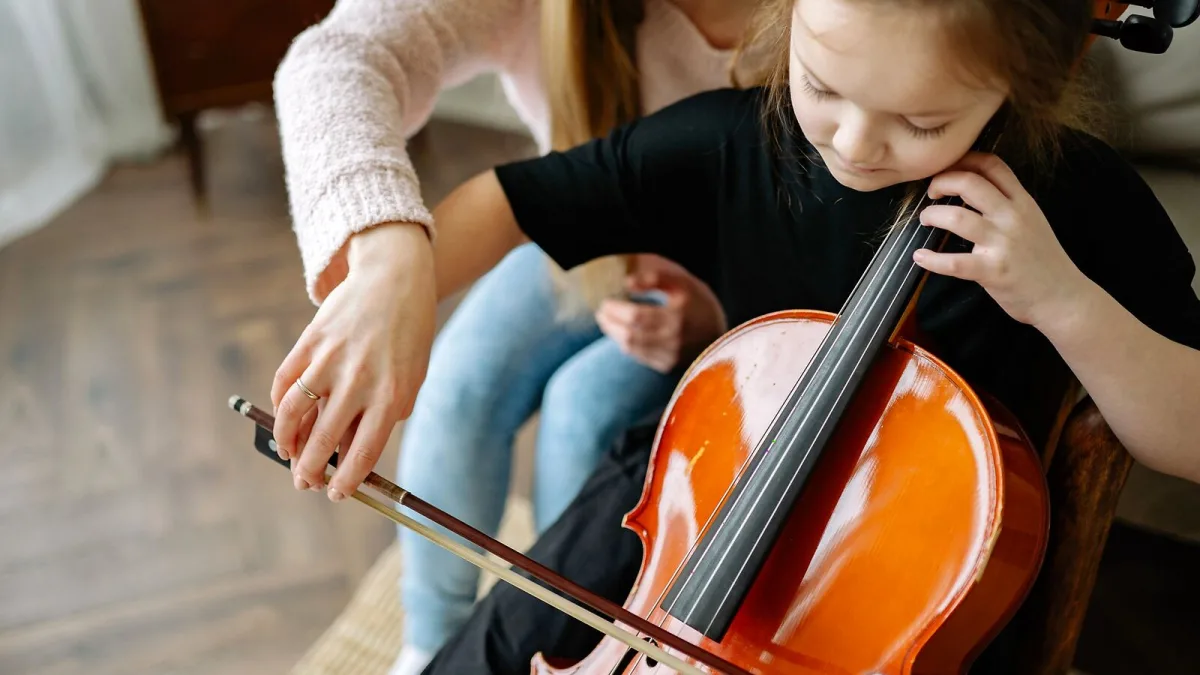
If you're completely new to making music and keep landing on Yamaha Music in every recommendation thread, there's a reason for that. This guide isn't about specs or comparisons — it's about actually getting started without overthinking the first step.
Why Yamaha Music Keeps Coming Up
Yamaha's reputation as a sensible first choice isn't hype, it's just decades of consistency. The company has been building genuinely reliable, well-made entry-level instruments across guitars, pianos, keyboards and drums for so long that recommending it has become something of a reflex among teachers and experienced players. That reflex is earned, not lazy advice.
Don't Know Which Yamaha Music Instrument You Actually Want Yet?
That's completely fine, and more common than you'd think. A rough way to think about it: if you're drawn to rhythm and hitting things, drums are worth exploring. If you're drawn to songs, lyrics and chords, guitar or piano usually fits better. If you're more interested in building sounds from scratch than playing a "real" instrument in the traditional sense, a keyboard or synthesizer is probably your actual starting point. None of these choices are permanent — plenty of musicians end up on their second or third instrument entirely.
The Easiest Entry Points, Genuinely
- Curious about guitar: an entry-level acoustic from the FG family is a forgiving, well-trodden starting point with decades of teaching material built around similar instruments
- Curious about piano: a compact digital piano lets you practise quietly at any hour, without worrying about tuning or space
- Curious about drums: a straightforward acoustic or electronic kit gets you playing immediately, without needing to understand every feature on day one
You do not need to research every model variation before you start. Pick the general category, get something sensible and affordable within it, and let your actual playing tell you what you need next.
You Don't Need the Best Version to Begin
This is worth saying plainly: an entry-level instrument is not a compromise, it's the correct choice for someone who doesn't yet know their own preferences. You'll learn far more about what actually matters to you from three months of playing a modest instrument than from months of research trying to pick the "perfect" one before you've even started.
What You'll Actually Need Beyond the Yamaha Music Instrument Itself
Budget for the basics alongside whatever you choose — a stand or gig bag to protect it, a tuner if it's a guitar, and a proper case if you'll be moving it around. These small additions matter more to your day-to-day experience than most of the flashier features you'll be tempted to chase early on.
Give Yourself Permission to Start Small
Nobody's first attempt sounds good, on any instrument, from any brand. That's not a reflection on the gear — it's just what learning looks like. Pick something sensible, start playing badly on purpose for a while, and let curiosity carry you toward whatever you actually want to get better at.
Whatever you choose, remind yourself that the goal right now is simply to start, not to make a perfect decision. A modest, well-chosen Yamaha Music instrument played regularly will teach you more in a month than the best instrument in the world sitting untouched in its case.
Where to Go From Here
Once you've settled on a category and want to understand the practical decisions properly, our buyer's guide covers exactly what to check. Our full overview is worth reading once you're curious about the wider company, and our best-for-the-money roundup and common mistakes to avoid are both worth a read before you spend anything further.





Comments