


Yamaha Music article
Common Yamaha Music Mistakes to Avoid
None of these mistakes are about the instruments being bad. Here's every avoidable assumption, and the fix.
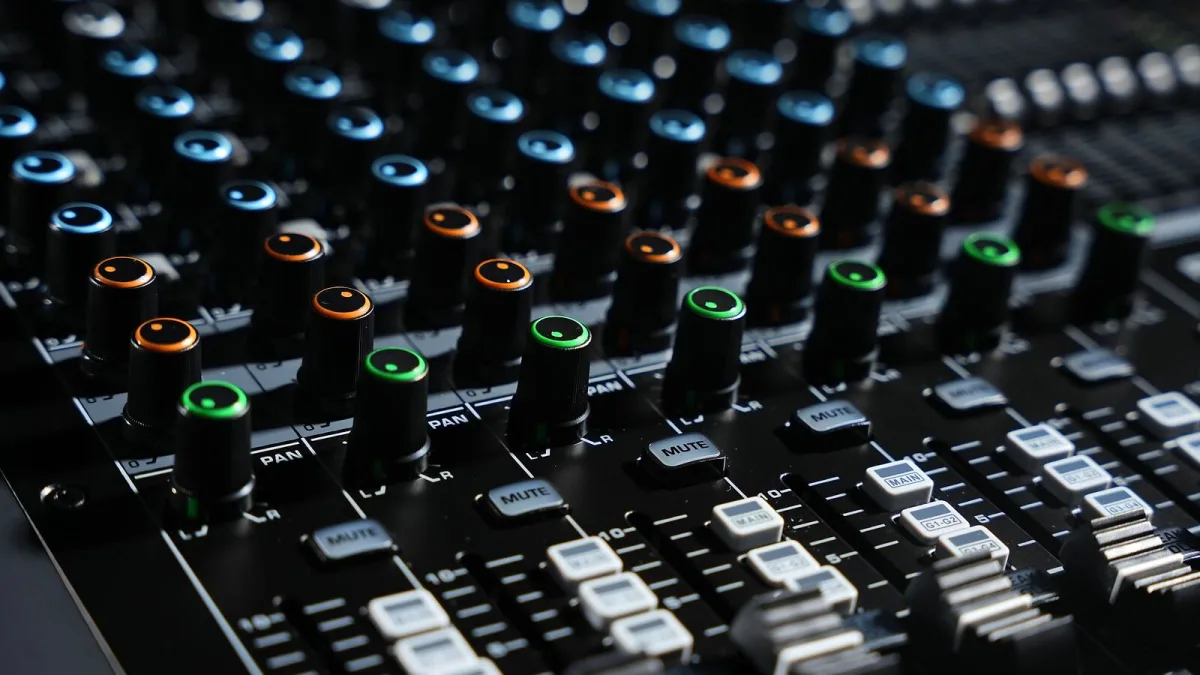
Right, I've seen people make the same handful of mistakes buying into Yamaha Music over and over, and none of them are really about the instruments being bad — they're about a few honestly avoidable assumptions. Let's get into every one of them.
Mistake 1: Mixing Up the Company With Yamaha Motor
This still catches people out. Yamaha Corporation, the music and audio company, and Yamaha Motor Co., Ltd., the motorcycle and marine-engine business, are separate companies that just happen to share historical roots and similar branding. Assuming warranty, service or support crosses over between them is a genuinely easy mistake with an annoying fix once you've already made it.
Mistake 2: Comparing Across Categories Like They're the Same Decision
"Is this a good deal for a Yamaha?" doesn't mean the same thing for a beginner acoustic guitar and a professional digital mixing console. The brand competes seriously in wildly different categories, each with its own value expectations, so judge a purchase against its actual category and use case, not against some vague sense of "Yamaha quality" floating in the abstract.
Mistake 3: Forgetting the Total Cost of Buying Into Yamaha Music
The instrument itself is rarely the whole spend. Amplification, stands, cases, any required software, and ongoing maintenance all add up, and acoustic instruments in particular need regular servicing that's easy to forget about when you're focused on the initial purchase. Budget for the full picture before you commit, not just the number on the price tag.
Mistake 4: Expecting Digital to Feel Exactly Like Acoustic (or Vice Versa)
A digital piano is not an acoustic piano with a power cord, and an acoustic instrument isn't a digital one without the conveniences. Each solves a genuinely different problem — consistency and quiet practice on one side, authentic touch and resonance on the other — and going in expecting one to perfectly replicate the other sets you up for disappointment that has nothing to do with the instrument's actual quality.
Mistake 5: Not Checking Connectivity Against What You Already Own
USB, MIDI, Bluetooth, analogue I/O and network audio aren't interchangeable, and buying a piece of gear without checking it actually connects to your existing setup is a genuinely common and completely avoidable frustration. Check compatibility before you buy, not after it arrives.
Mistake 6: Skipping Research on Local Dealer Support
Warranty coverage, service access and replacement parts availability vary meaningfully by region. Assuming support will be identical everywhere, especially for anything requiring servicing or repair down the line, can leave you stuck later on for something that was easy to check beforehand.
Mistake 7: Treating Yamaha Music Marketing Language as Independent Fact
Words like "authentic," "true grand piano experience" or "professional-grade" are the manufacturer's own framing, not independently verified claims. They're not necessarily wrong, but they're not neutral either — read them as Yamaha's own pitch, and make your actual decision based on your own priorities and, where possible, hands-on time with the instrument.
Mistake 8: Ignoring Your Actual Physical Space
A full-size dreadnought guitar, a grand piano, or a serious mixing console all demand real physical space, and buying without honestly assessing where it'll actually live is a mistake people make surprisingly often. Measure first, then shop, not the other way round.
Avoid These and You'll Do Fine
None of this is really about Yamaha Music letting anyone down — it's about a handful of avoidable assumptions catching people out again and again. If you're still deciding what to actually buy, our full buyer's guide covers the practical decisions properly, our full overview is worth reading for the wider context, and if you're brand new to all of this, our beginner's guide is the friendlier starting point. Our best-for-the-money roundup rounds things off nicely once you know what you're after.






Comments