


Yamaha Guitar Company article
Yamaha Guitar Company Explained: Features, Types and Tips
From a battered youth-club FG to the latest Revstar, the Yamaha Guitar Company has quietly shaped how millions of us learned to play. Here's the story, and the guitars, in plain terms.
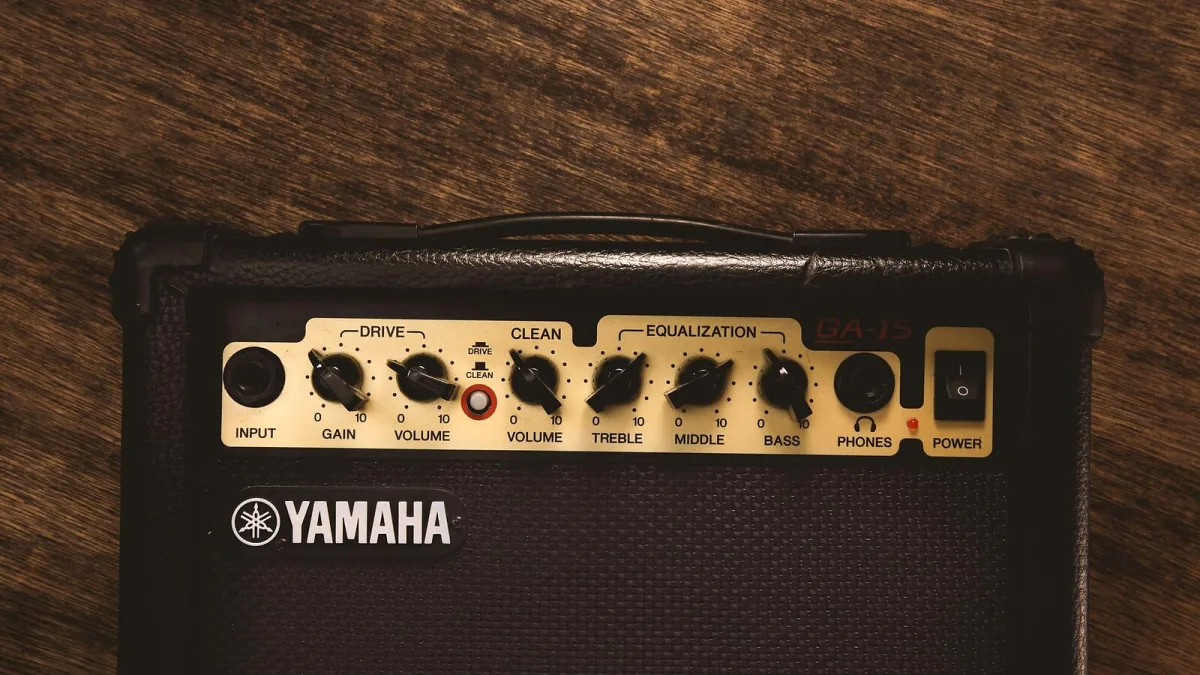
I still remember the first "proper" acoustic I ever played on — a battered Yamaha FG left leaning against a youth club wall, its top worn pale where a hundred other beginners had strummed before me. That's the thing about the Yamaha Guitar Company: almost everyone who has picked up a guitar in the last sixty years has brushed up against one of its instruments, whether they knew the name on the headstock or not. Here's how the company got from reed organs to Revstars, and what its main families of guitars actually offer today.
A Company That Started With Organs, Not Guitars
Yamaha's story doesn't begin with guitars at all. Torakusu Yamaha founded the business in 1887 making reed organs, and it was decades of that woodworking, finishing and precision manufacturing know-how — later sharpened further through piano production — that quietly became the foundation for everything the Yamaha Guitar Company builds today.
The guitars themselves arrived properly in 1966, with the release of the FG150 and FG180 acoustics. According to Yamaha executive Shingo Ekuni, speaking to Guitar World, "the first Yamaha guitar was the FG-180 acoustic, which was designed in 1965 and released the following year." Simple, affordable and consistent, those early FG models set the tone — instruments built for real players rather than showroom bragging rights.
The Acoustic Side: FG and FS Guitars
Sixty years on, the acoustic range still splits along a similar line. FG guitars use a dreadnought-style body, so they're bigger, louder and better suited to full-strength strumming and singing over a room. FS guitars use a smaller, concert-style body, which suits fingerstyle playing and anyone who finds a dreadnought a bit of a hug too far.
- FG: dreadnought body, fuller low end, strong projection for strumming.
- FS: concert body, easier to hold, balanced midrange for fingerstyle and songwriting.
- TransAcoustic: Yamaha's onboard actuator technology, which creates reverb and chorus-style effects from the guitar itself, without an amp or a pedal.
2026 brought new high-end additions aimed at singer-songwriters, the FG7 and FS7, along with acoustic-electric versions called the FG7 X and FS7 X, due to launch in Japan on 3 October 2026. It isn't yet confirmed whether every market will see identical pricing or timing, but the direction is clear: Yamaha is still investing seriously in its acoustic line.
Going Electric: Pacifica and Revstar
On the electric side, the story really gets going in 1990 with the Pacifica. Ekuni explained the thinking behind it plainly: "In 1990, we launched the Pacifica series by getting the Japanese and American teams to collaborate and make a guitar for all the session players in L.A." The brief was versatility — a guitar that could cover "just about any kind of sound and genre," in his words, rather than one built for a single style.
That's why most Pacificas use a double-cutaway body with an HSS pickup layout — a humbucker at the bridge for thicker tones, paired with single-coils for glassier, more articulate sounds. The range runs from the entry-level PAC012 right up through Standard Plus and Professional models with alder bodies, maple necks and stainless-steel frets.
Revstar arrived much later, in 2015, as Yamaha's first genuinely new electric-guitar family in over a decade. Its offset body borrows visual cues from Yamaha Motor Company's café-racer motorcycles, and the second generation introduced Yamaha's Acoustic Design construction along with a "Focus Switch" that thickens and tightens the tone at the flick of a control. As Guitar World put it, part of Revstar's appeal is simply that "it's so different to what other major brands like Gibson and Fender are putting out."
Yamaha's electric heritage runs deeper still. The SG-2000, a high-output professional model from Yamaha's earlier era, is closely associated with Carlos Santana and remains a genuine landmark in the company's history.
Who Actually Plays Yamaha
Beyond Santana, plenty of working guitarists have built real relationships with these instruments. Former Smashing Pumpkins guitarist Jeff Schroeder told MusicRadar that he modifies his own Pacificas: "I love Steve Vai, so I've scalloped the 21st-24th frets like him on all of my Pacificas." Chris Buck has a signature Revstar model, and modern player Matteo Mancuso has been pictured with Revstars too. Worth noting: documented use isn't automatically the same as a formal endorsement deal, and Yamaha hasn't published a complete list of current artist arrangements.
60 Years of Guitars, and Counting
As of September 2026, Yamaha is marking 60 years since that first FG180, with anniversary products including a limited FG9 60TH acoustic and a 60th Anniversary Revstar Professional RSP20B 60TH NBB, finished in Noble Black Burst with a flame-maple top and gold vibrato hardware. It's a tidy full circle: a company that began with reed organs, spent six decades refining acoustic and electric guitars, and is still releasing genuinely new designs rather than just reissuing the old ones.
Which Yamaha Guitar Company Instrument Suits You?
With acoustic, electric and hybrid ranges this broad, "which Yamaha should I get" doesn't have one answer. If you're weighing up your first purchase, our beginner's guide to Yamaha guitars walks through the easiest starting points, while our complete buyer's guide gets into the specifics of picking between tiers and model codes. And if you'd rather learn from other people's slip-ups first, it's worth reading about the common mistakes buyers make before you part with any money.
Whatever you land on, the through-line is consistency: from a £100 FG to a professional Revstar, the Yamaha Guitar Company has built its reputation on instruments that simply work, night after night, for players who'd rather be playing than fiddling.




Comments