


Yamaha Guitar Company article
Common Yamaha Guitar Company Mistakes to Avoid
Most Yamaha buyer's regret isn't about the instruments — it's about avoidable decisions made before or after the purchase. Here's what to watch for.
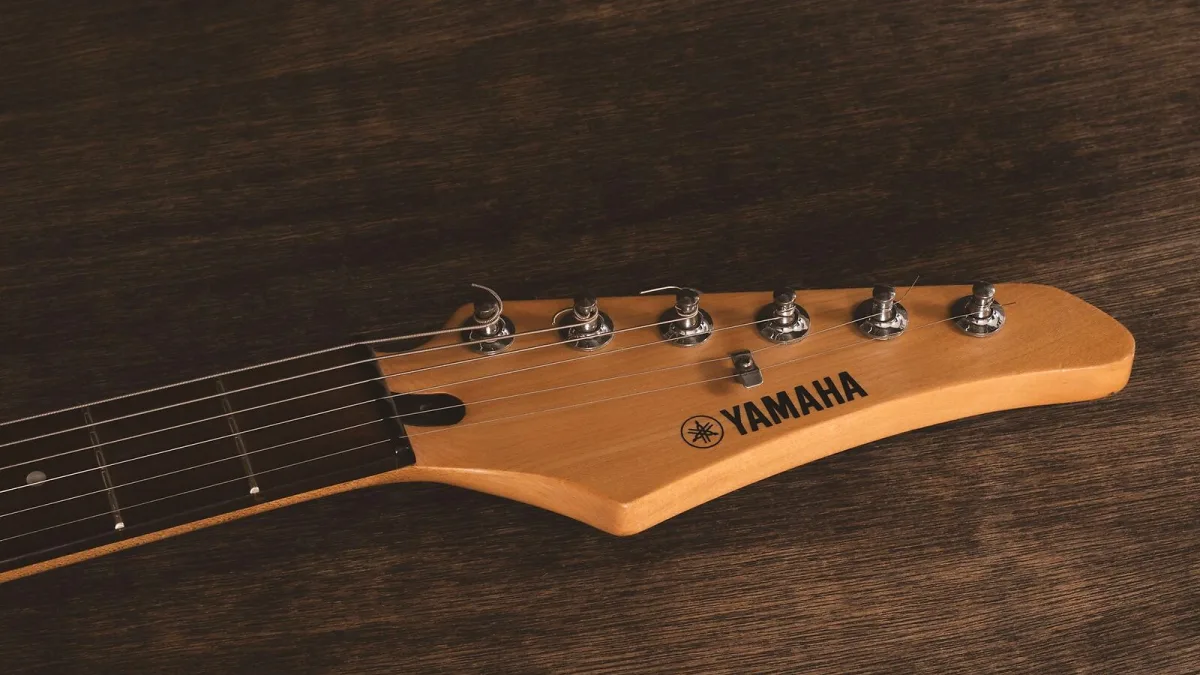
Most of the regret I hear about from Yamaha buyers isn't about the guitars themselves — it's about avoidable decisions made before or just after the purchase. The Yamaha Guitar Company range is broad enough that a few small missteps can leave you with the wrong instrument, or the right instrument set up badly. Here are the mistakes I see most often, and how to sidestep each one.
Mistake 1: Judging a Model Purely by Price
It's tempting to assume the more expensive Yamaha Guitar Company model — a pricier Pacifica or FG — must automatically suit you better. It doesn't. A well-set-up entry-level PAC012 will often outplay a pricier model that's been sitting untouched with poor action. Price tells you about build tier and hardware — it doesn't tell you whether a guitar fits your hands or your playing style.
Mistake 2: Ignoring the FG vs FS Body Difference
Buyers often pick an acoustic on looks alone and end up with a dreadnought-sized FG that's genuinely uncomfortable to hold, when a smaller FS-series concert body would have suited them far better for fingerstyle or seated playing. Ten minutes with both body shapes before buying saves months of low-level discomfort.
Mistake 3: Skipping a Proper Setup
New guitars — Yamaha or otherwise — don't always leave the factory dialled in for your local climate, string preference or playing style. High action, buzzing frets and a stiff neck relief are usually setup issues, not build faults. Budget for a professional setup, especially if you're buying online or plan to change string gauge — it typically costs far less than the guitar itself, and it's the single biggest factor in how good the instrument actually feels under your fingers.
Mistake 4: Misreading the Pacifica Suffixes
Codes like J, M, V, W and H tell you real things — fingerboard wood, pickup type, vibrato or hardtail bridge — but naming conventions have shifted over the years, and it's easy to assume a suffix means the same thing across every generation. Always check the current listing's actual specification rather than relying on memory of an older model line.
Mistake 5: Assuming a Vibrato Bridge Is Maintenance-Free
A vibrato-equipped Pacifica or Revstar is enormous fun, but it changes your maintenance routine: string changes take longer, tuning stability depends on a well-lubricated nut, and knocking the bar around carelessly can throw the whole guitar out of tune faster than a hardtail ever would. If you don't actually use the vibrato arm much, a hardtail model will simply be less hassle day to day.
Mistake 6: Treating Artist Association as an Official Endorsement
Carlos Santana's link to the SG-2000, or a signature-adjacent Revstar model, doesn't mean every artist photographed with a Yamaha has a formal deal with the company. It's a fun bit of context, not a reason on its own to buy a particular model — the guitar still needs to suit your hands and your music, whoever else has played one.
Quick Reference: Mistakes and Fixes
| Mistake | Better approach |
|---|---|
| Buying on price alone | Judge setup and feel, not just the tier |
| Ignoring body shape | Try both FG and FS before deciding |
| Skipping setup | Budget for a professional check-over |
| Assuming suffixes never change | Check the current listing's spec sheet |
| Underestimating vibrato upkeep | Choose hardtail if you won't use the arm |
| Buying on artist association alone | Judge the guitar on its own merits |
The Bottom Line
None of these mistakes are about the instruments being poorly made — the Yamaha Guitar Company has a reputation for consistency that's well earned. They're almost all decisions made in a rush, or without trying the actual alternative sitting right next to it on the rack. If you're still working out which model or range suits you, our complete buyer's guide covers the tiers properly, our overview of the whole range covers the history and the full line-up, and if you're buying your very first guitar, start with our beginner's guide instead.






Comments