


Yamaha Guitar Company roundup
Yamaha Guitar Company: A Complete Buyer's Guide
The catalogue is huge, but the decision doesn't have to be. Here's a straight, practical walk through the choices that actually matter before you buy.
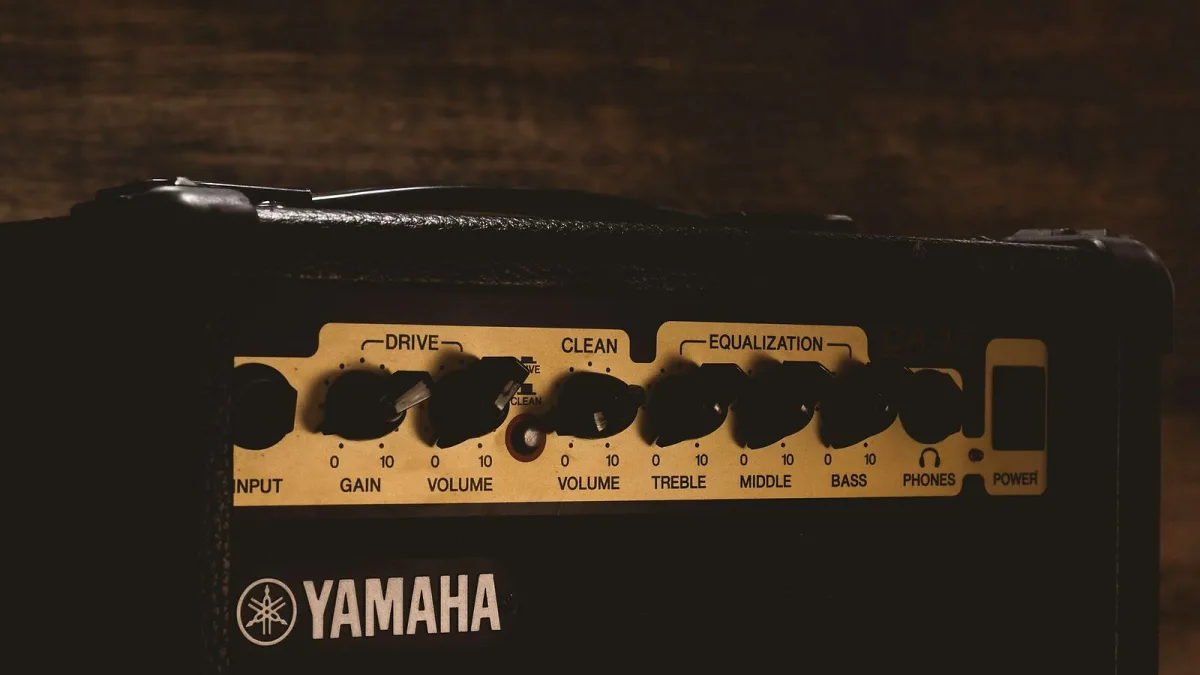
The Yamaha Guitar Company has an enormous catalogue, which is exactly why picking the right instrument from it can feel harder than it should. There's no single "best" Yamaha — there's a right one for your budget, your style and the sound you're chasing. This guide skips the history lesson and gets straight into the decisions that actually matter before you buy anything with the Yamaha Guitar Company name on the headstock.
Step One: Acoustic, Electric, or Both?
Before comparing specific models, work out which category you actually need. If you want to play unplugged, sing along, or you don't own an amp, an acoustic makes more sense. If you're drawn to distortion, effects pedals or playing in a band, go electric. A surprising number of buyers skip this step and end up with a guitar that's technically excellent but wrong for how they actually play.
Choosing Between FG and FS Acoustic Bodies
Yamaha's main acoustic split is between the FG (dreadnought) and FS (concert) body shapes. It's a genuinely practical decision, not just cosmetic.
| Feature | FG (dreadnought) | FS (concert) |
|---|---|---|
| Body size | Larger | More compact |
| Best for | Strumming, vocal accompaniment | Fingerstyle, seated comfort |
| Tonal tendency | Fuller low end, strong projection | Balanced midrange |
| Good fit for | Larger players, band or singer-songwriter strumming | Smaller players, fingerpickers |
Neither is objectively better — strings, bracing and setup affect the tone as much as body shape does, so treat this as a starting filter, not the whole decision.
Do You Need an Acoustic-Electric or TransAcoustic Model?
If you'll ever play through a PA, an acoustic amp, or record via an audio interface, get an acoustic-electric version with a built-in pickup and preamp. It's far more reliable than mic'ing up a guitar every time. TransAcoustic models go a step further, using an onboard actuator to add reverb and chorus-style effects without any external gear at all — genuinely useful for practice and songwriting, though you'll still want a conventional pickup output for a proper stage rig.
Picking a Pacifica: PAC012 to Professional
On the electric side, the Pacifica is the Yamaha Guitar Company range's most flexible line, and it's worth understanding the tiers before you commit.
- PAC012: entry-level, agathis body, one humbucker plus two single-coils, vibrato bridge — a sensible first electric.
- PAC112: solid alder body, maple neck, choice of maple or rosewood fingerboard — a clear step up in build.
- Standard Plus / Professional: alder bodies, maple necks, stainless-steel frets — built for players who'll notice the difference in fretwork and hardware.
The HSS pickup layout (bridge humbucker, two single-coils) runs through the whole range, so even the cheapest Pacifica can cover pop, blues, funk and rock reasonably well. You're mainly paying for build quality, hardware and finishing as you go up the tiers, not a completely different sound.
Considering a Revstar Instead
If you want a set-neck-style platform, humbucker or P-90-style tones, and a thicker, more focused sound at the flick of the Focus Switch, look at the Revstar range instead of the Pacifica. It suits players who've already decided they want something visually and sonically distinct from a standard Strat- or Les Paul-shaped guitar, rather than an all-purpose first electric.
Reading Yamaha's Model Codes
Yamaha's suffixes on Pacifica models can tell you a lot before you even pick the guitar up, though always check the current listing since naming can shift between generations.
- J — rosewood fingerboard
- M — maple fingerboard
- V — Alnico V pickups
- S — single-cutaway body
- W — Wilkinson vibrato
- H — hardtail bridge (no vibrato)
- FM / QM — flame maple / quilted maple top
- L — left-handed build
Checks to Make Before You Buy
Whichever model you're eyeing, run through these before handing over any money:
- Check neck relief and action rather than judging purely by looks.
- Confirm whether the bridge is vibrato or hardtail — it affects tuning stability and string changes.
- On acoustics, look for bellying behind the bridge, fret buzz or a lifting bridge.
- Test pickup switching on electrics for scratchy pots or dead positions.
- Budget for a professional setup, especially buying online or changing string gauge.
- Try the guitar seated and standing — body shape matters as much as tone.
The Bottom Line
A well-set-up entry-level model will often serve a player better than an expensive one that's never been checked over. Once you've settled on acoustic or electric, body shape, and tier, you'll find the actual choice between Yamaha Guitar Company models narrows fast. If you're still deciding whether Yamaha is right for you at all, our overview of the whole range is a good place to start, and if you're buying a first guitar specifically, see our beginner's guide. Worth a read either way: the common mistakes buyers make, so you don't repeat them.






Comments