


Fender Telecaster roundup
The Best Fender Telecasters for the Money
You don't need the priciest Telecaster on the wall — you need the right tier for what you actually play. Here's the honest breakdown, no hype.
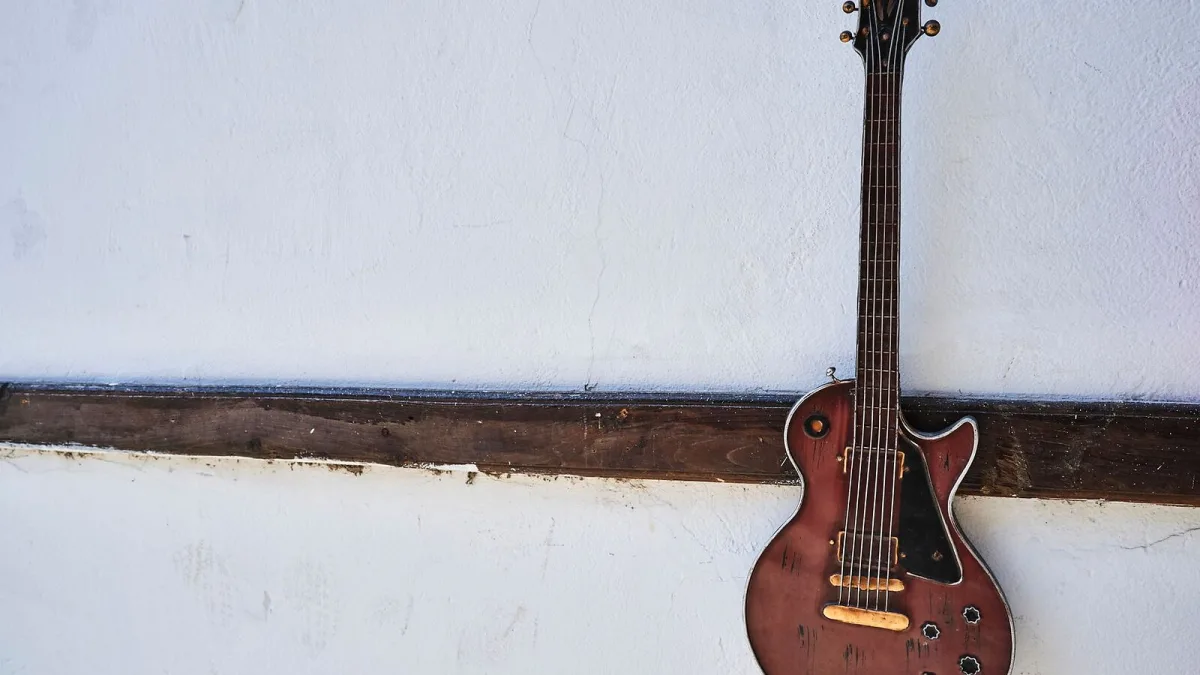
Right, let's cut through it. You don't need the most expensive guitar on the wall to get a genuinely great one — you need the right one for what you're actually going to do with it. Here's how the value stacks up across the range, tier by tier, with no hype and no pretending every guitar at every price point is somehow the "best" one.
Entry Level: Squier Telecaster
Squier is Fender's budget brand, and it shares the Telecaster's core design — bolt-on maple neck, two single-coil pickups, three-way switch, fixed bridge. What you're giving up at this price is consistency: pickups and fretwork can vary more from guitar to guitar, so it pays to play before you buy rather than order blind.
Best for: first-time buyers, players who need a backup or travel guitar, or anyone who wants to try that shape before committing more money.
Mid-Range: Player and Player II
This is where most gigging players land, and for good reason. Player and Player II Telecasters use an alder body, a modern "C" neck profile and a 9.5-inch fingerboard radius — flat enough for comfortable bending and low action, without straying far from the traditional feel. The six-saddle string-through bridge on Player II models makes intonation genuinely easy to dial in, and the Player Series pickups have enough output and clarity to hold their own on stage.
Best for: players who gig regularly and want dependable modern spec without paying for the American-made badge.
Step-Up: American Professional II
Here's where the refinement really shows. The American Professional II carries Fender's V-Mod II single-coil pickups, a Deep C neck and 22 narrow-tall frets, plus a push-push tone control that switches the middle pickup into series mode for a louder, thicker sound when you need it. It's the same basic formula as every other model on this list, just executed with tighter tolerances and better electronics throughout.
Best for: working musicians who want the widest range of usable tones from one guitar, and who'll notice the difference in fretwork and pickup clarity.
For the Purist: American Vintage II
If what you actually want is a specific era — 1951, 1963 or 1972 — rather than a modern do-everything guitar, this is the range to look at. Fender builds these around period-correct neck profiles, pickups and hardware, right down to details players who care about vintage tone will notice and players who don't probably won't.
Best for: collectors and players chasing a specific decade's sound and feel, not general-purpose versatility.
Beyond the Standard Formula
Not every model is built around two single-coils and a fixed bridge. A few variants are worth knowing about if the standard recipe doesn't fit what you play:
- Telecaster Thinline — semi-hollow construction that shaves weight and opens up the resonance, first introduced in 1968
- Telecaster Deluxe — two humbuckers and a larger, Stratocaster-style headstock, aimed at players who want a thicker, higher-output sound
- Telecaster Custom — a neck humbucker paired with the standard Tele bridge pickup, splitting the difference between the classic twang and a fuller low end
None of these is "better" than a standard model — they're different tools for different jobs. If you want the full picture on how each variant is actually built, our Telecaster overview covers the design and history behind all of them in more depth.
What Actually Separates the Tiers
| What you're paying for | Where it shows up |
|---|---|
| Pickup quality | Clarity, output and how well the guitar holds up in a loud band mix |
| Fretwork and neck finishing | Consistency of bends, vibrato and how the neck feels under sustained playing |
| Bridge type and hardware | Ease of intonation, tuning stability, and whether it's three-saddle or six-saddle |
| Build consistency | How likely a given guitar is to match its own spec sheet off the shelf |
None of these tiers gets you a fundamentally different guitar — the bolt-on neck, twin single-coils and straightforward electronics stay the same from top to bottom. What changes is how consistently that formula is executed. If you want more detail on the specifics behind each of these differences before you decide, our Telecaster buyer's guide goes through body wood, neck profile and bridge choice in full.
The Honest Verdict
If you're only buying one Telecaster and money is tight, the Player II gives you the most genuinely usable guitar for the outlay. If you play often enough to notice pickup and fretwork differences, the American Professional II earns its higher price. And if vintage accuracy actually matters to you rather than just sounding good on paper, skip straight to the American Vintage II and don't waste money in between. New players, meanwhile, are often better off starting cheaper — our beginner's guide to the Telecaster explains why that's rarely a bad move.





Comments