


Fender Telecaster article
Fender Telecaster Explained: Features, Types and Tips
From Leo Fender's original 1950s blueprint to the Thinline, Custom and Deluxe that followed, here's what actually makes a Telecaster sound and feel the way it does.
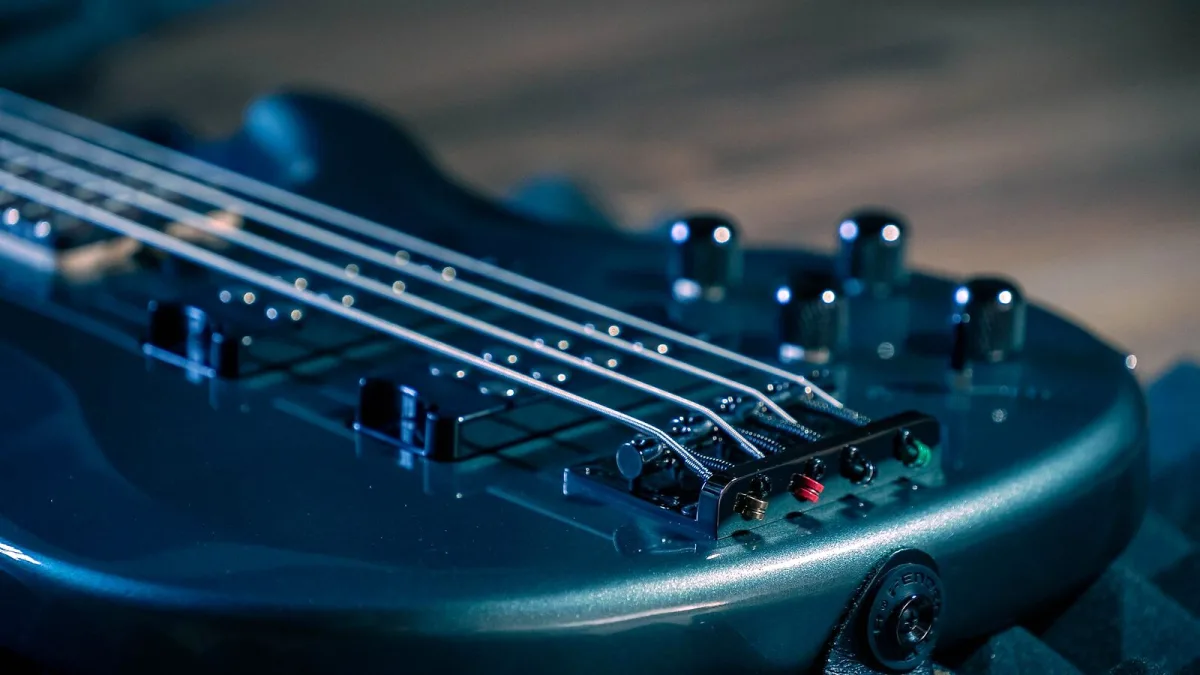
There's a particular sound that cuts through a mix like nothing else — a bright, twangy snap that's been on records since the early 1950s. That's the Fender Telecaster, and if you've ever wondered why it looks so plain next to flashier guitars and yet refuses to go away, you're about to find out. This guide covers where it came from, what actually makes it tick, and how its family of variants ended up in the hands of country pickers, punks and soul players alike.
Where It All Began
Leo Fender built the Telecaster in Fullerton, California, around 1949–50, and it changed the instrument for good. The very first version, sold with a single pickup, was called the Esquire. When Fender added a second pickup, the guitar was briefly named the Broadcaster — until Gretsch pointed out it already had a drum kit called the Broadkaster. Fender simply snipped the name off the headstock decals while it worked out a fix, leaving a short run of guitars now known to collectors as "Nocasters". By 1951, the name Telecaster had stuck, and it's never really left.
What made it matter wasn't just the tone. It was the first solid-body electric guitar to be mass-produced and genuinely succeed commercially — a guitar built to be made on a production line rather than carved by a single luthier, and repaired just as easily.
What Actually Makes a Telecaster Tick
Strip away six decades of variants and the core recipe hasn't changed much. Every "traditional" Telecaster shares the same basic bones:
- A flat, single-cutaway solid body, usually alder or ash
- A bolt-on maple neck, held on with four screws rather than glued in place
- A 25.5-inch scale length, giving the strings a firm, snappy feel
- Two single-coil pickups, one master volume and one master tone control
- A three-way selector switch and a fixed (non-vibrato) bridge
The bolt-on neck is worth pausing on. It looks utilitarian, and it is — Leo Fender designed it so a worn or damaged neck could be swapped out on the factory floor rather than sent back to a workshop. That same practicality is why Telecasters remain some of the easiest electric guitars to maintain, adjust and modify at home.
The Sound: Two Pickups, Endless Character
A Telecaster's voice comes almost entirely from where its pickups sit and how simple the electronics are. The bridge pickup, mounted hard against a metal bridge plate, gives that famous cutting twang — bright, percussive, and built for picking through a country run or slicing through a rock rhythm part. Flip to the neck pickup and the character softens into something rounder and warmer, closer to what you'd want for blues or a mellow rhythm line. The middle position blends both for a balanced, clean tone that suits rhythm playing.
Underneath the bridge pickup sits either a traditional three-saddle bridge, where two strings share each saddle, or a modern six-saddle version that lets every string be intonated on its own. Neither is objectively better — a well-compensated three-saddle bridge intonates just fine, and plenty of players prefer the vintage look and feel.
A Family That Grew Over Decades
Fender never left the original formula alone for long. Over the years it branched into several distinct variants, each one a genuine departure rather than a cosmetic tweak:
- Telecaster Thinline — introduced in 1968, semi-hollow to shave weight and open up the resonance; later versions swapped in humbuckers
- Telecaster Custom — associated with a humbucker in the neck position alongside the standard Tele bridge pickup, reflecting changes Fender made through the 1970s
- Telecaster Deluxe — arrived in the early 1970s with two humbuckers, a larger Stratocaster-style headstock and, on some models, a vibrato tailpiece
If you're trying to work out which of these actually suits you, our complete Telecaster buyer's guide goes through body woods, bridge types and price tiers in far more depth.
The Players Who Made It Famous
The Telecaster's reputation was built as much on stage as in the factory. James Burton and Albert Lee turned it into the definitive country-picking machine, all sharp attack and rapid-fire licks. Keith Richards leaned on his for the Rolling Stones, often in open tunings, while Bruce Springsteen made a battered Telecaster-style guitar his own visual and sonic signature. On the soul and R&B side, Steve Cropper's clean, economical playing at Stax helped define what the guitar could do in a horn-driven mix, and Muddy Waters used one to help electrify the blues in the first place. Andy Summers coaxed unexpected textures from his with The Police, while Danny Gatton and Roy Buchanan pushed the instrument's technical limits in country, blues and rock. Worth noting: guitarists often own several instruments, so a famous stage shot doesn't always prove which guitar ended up on the record.
Where the Telecaster Sits Today
Fender's current line-up spans a huge range of budgets and ambitions. Player and Player II models offer an affordable, dependable route in; American Professional II guitars step up with refined pickups and modern playability; and American Vintage II instruments recreate specific eras — 1951, 1963 and 1972 among them — down to the neck profile and hardware. If you're just starting out, our beginner's guide to the instrument is the friendlier place to start, and if you want a steer on value across the range, we've rounded up the best Telecasters for the money.
The Bottom Line
Three-quarters of a century on, the Fender Telecaster still does exactly what Leo Fender intended: a simple, durable, honestly built guitar that sounds like almost nothing else when it's played through a valve amp at volume. Whether you end up with a humble Squier or a hand-built American Vintage II, you're holding a design that hasn't needed reinventing — only refining. And if you already own one, it's worth reading through our piece on common Telecaster mistakes to avoid, because a surprising number of great guitars get let down by small, fixable habits.




Comments