


ESP Guitars article
Esp Guitars for Beginners: A Complete Guide
The brand's reputation is built on players who know exactly what they want. Good news: you don't need to know any of that yet.
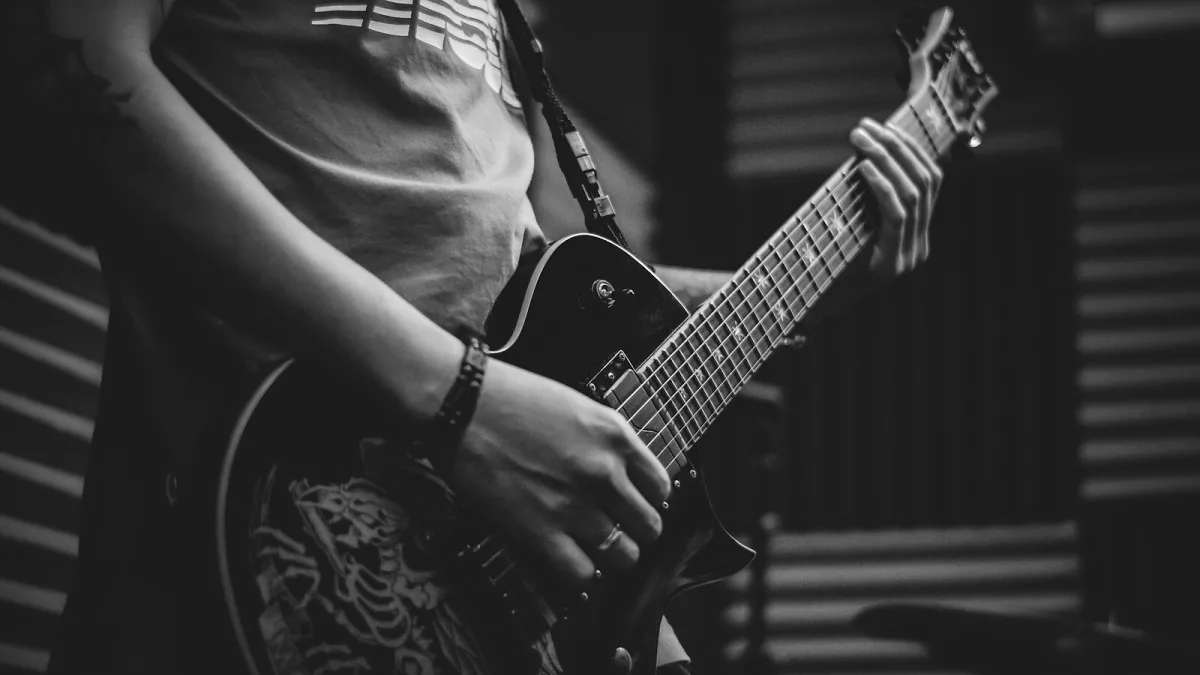
Thinking about ESP guitars for your first proper electric can feel a bit intimidating — the brand's whole reputation is built on metal players who know exactly what they want. Good news: you don't need to know any of that yet. Let's keep this simple and honest, like a mate in a guitar shop talking you through it.
You Don't Need the Top of the ESP Guitars Range
Nobody's first proper guitar needs to be a Japanese-made E-II or a signature artist model. The affordable end of the LTD range exists precisely for players in your position: a genuinely playable, well-built instrument without the price tag of the flagship lines. Start there, learn what you actually like about how a guitar feels and sounds, and upgrade later once you know what you're upgrading toward.
Trying One Out, Step by Step
Walking into a guitar shop without a plan is how people end up buying the shiniest finish instead of the guitar that actually suits them. Here's a simple routine that works whether you're on your own or with someone who knows more than you do.
- Sit down with the guitar unplugged first and check the weight and balance feel comfortable on your leg or a strap.
- Play a simple open chord and check nothing buzzes or rattles unexpectedly along the neck.
- Slide up and down the neck, checking the upper frets are easy to reach if the shape has a cutaway there.
- Plug into an amp and play through a clean and a higher-gain setting, if the shop allows it, to hear how the pickups actually respond.
- Try the bridge — gently, if it has a tremolo arm — to get a feel for how it moves and returns to pitch.
- Ask about the setup, including action height and intonation, and whether it's been checked before leaving the shop.
None of this requires technical vocabulary. You're simply working out whether the guitar feels right in your hands and sounds like something you want to keep playing.
Words You'll Hear That Don't Need to Worry You Yet
You'll come across terms like scale length, active pickups, Floyd Rose and neck-through construction while researching. They matter eventually, but as a beginner, comfort and a clean, buzz-free neck matter far more than any of that vocabulary. Let a salesperson explain the jargon if you're curious — don't let it talk you out of trusting your own hands and ears.
What a First Guitar Genuinely Needs
- A neck and body size that's genuinely comfortable for you, not just visually striking.
- A setup that's actually playable straight away — low buzz-free action and correct intonation.
- A simple, fixed bridge, unless you're already committed to learning tremolo technique.
- Pickups that suit the music you actually listen to and want to play.
- A case or gig bag, and a spare set of strings, budgeted in from day one.
A Gentle Word About Reputation
It's easy to assume you need the flashiest of ESP guitars to sound like your favourite player, but tone comes from your hands, your amp settings and years of practice far more than the badge on the headstock. A comfortable, well-set-up entry instrument that you actually enjoy picking up will teach you more, faster, than an expensive one that intimidates you into leaving it in its case.
When You're Ready to Go Further
Once you've got your bearings, our full explainer covers the wider range and the tiers behind it, and the buyer's guide is there for when you're ready for the finer detail. Curious what suits more experienced players? Take a look at our round-up by use case, and it's worth reading common mistakes to avoid before you or your family commit to anything.
Every player with a wall full of ESP guitars started exactly where you are now, unsure which knob did what. Trust your hands, follow the simple steps above, and you'll choose perfectly well.




Comments