


Epiphone Les Paul article
Epiphone Les Paul for Beginners: A Complete Guide
Worried an Epiphone Les Paul is too much guitar to start on? Here's honest, encouraging advice on the right version and what to learn first.
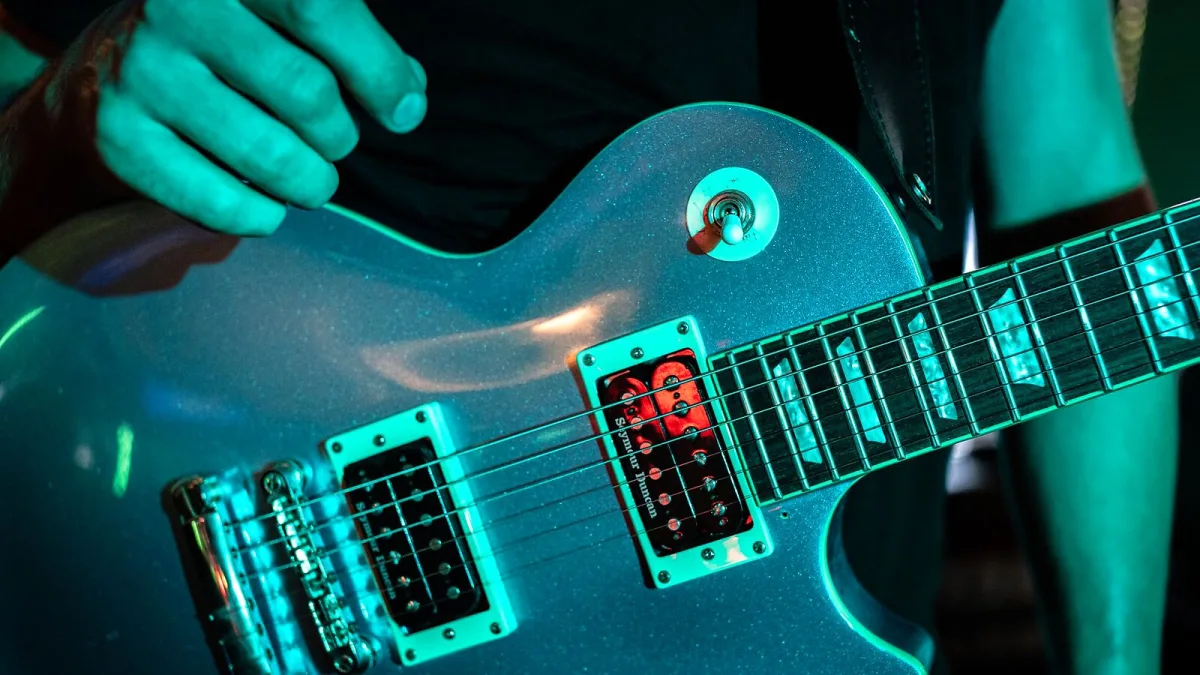
Let's deal with the worry first, because I know it's there: is this too much guitar for a beginner? Honestly, no — not if you pick the right version and go in with realistic expectations. Choosing an Epiphone Les Paul for beginners can absolutely work, and this guide is about making that a good experience rather than an overwhelming one.
The One Thing Beginners Worry About Most: Weight
Let's get the honest bit out of the way. Les Paul-style guitars, including Epiphone's versions, can feel heavier than some other beginner-friendly shapes, thanks to their solid mahogany body and glued-in neck. It's not a dealbreaker — plenty of first-timers play one happily — but it is worth sitting with one on a strap for a few minutes in the shop before you commit, standing up, not just on your knee. If comfort is a real concern, a "weight relief" model can help, though weight still varies from guitar to guitar.
Which Version Should a Beginner Actually Buy?
You don't need the fanciest one, and you definitely don't need to understand every model variation before you start. For a first guitar, keep it simple:
- Junior — one pickup, minimal controls, nothing to get confused by. A genuinely sensible starting point.
- Special — similar simplicity with P-90-style pickups, if you like a slightly rawer tone from day one.
- Standard 60s — a good step up if you already know you want two pickups and more tonal range, without jumping to the more feature-heavy Modern.
Avoid feeling pressured into the Modern or Custom as a first guitar — the extra switching and formal styling are genuinely more useful once you already know what you're doing.
What You'll Actually Need to Learn First
Don't worry about mastering every control on day one. Start with these basics, in this order:
- Get comfortable holding it — seated and standing, with a proper strap adjustment.
- Learn where the volume and tone knobs are without looking, so you're not fumbling mid-song later.
- Try the pickup selector switch and just listen to how the neck and bridge pickups differ.
- Get a proper setup done — correct action and intonation make everything easier to play, especially for new fingers still building strength.
- Practise basic chord changes before worrying about anything else the guitar can do.
Why a Setup Matters More Than You'd Think
This is the bit beginners skip and really shouldn't. A guitar straight out of the box isn't always adjusted for easy playing, and high action or poor intonation can make normal beginner mistakes feel like your fault when they're actually the instrument's. Budget for a professional setup, particularly if you've bought used or had it shipped — it's a small cost that removes a lot of unnecessary frustration.
A Little Encouragement
Everyone who plays one of these well was once fumbling with the same pickup switch, wondering if they were doing it wrong. You're not behind, and you don't need to understand humbuckers, wood types or neck profiles to start enjoying the instrument — that knowledge comes naturally with time, not before you're allowed to begin. Our fuller explainer is there whenever you're curious about the details, but it's genuinely fine to just play for a while first.
What to Do Once You're Settled In
After a few months, once the basics feel natural, you might find yourself curious about upgrading or simply understanding your guitar better. Our guide to the best options for the money is useful if you're thinking about a second guitar, and our list of common mistakes to avoid is worth reading before you go shopping again.
The Bottom Line
An Epiphone Les Paul makes a genuinely good first guitar for beginners, provided you choose a simpler version, get it properly set up, and give yourself permission to learn gradually rather than all at once. Take your time with it — there's no rush, and no test at the end.





Comments