


Epiphone Les Paul article
Common Epiphone Les Paul Mistakes to Avoid
Most frustration with these guitars traces back to a handful of avoidable errors. Here's what to watch for and how to fix each one.
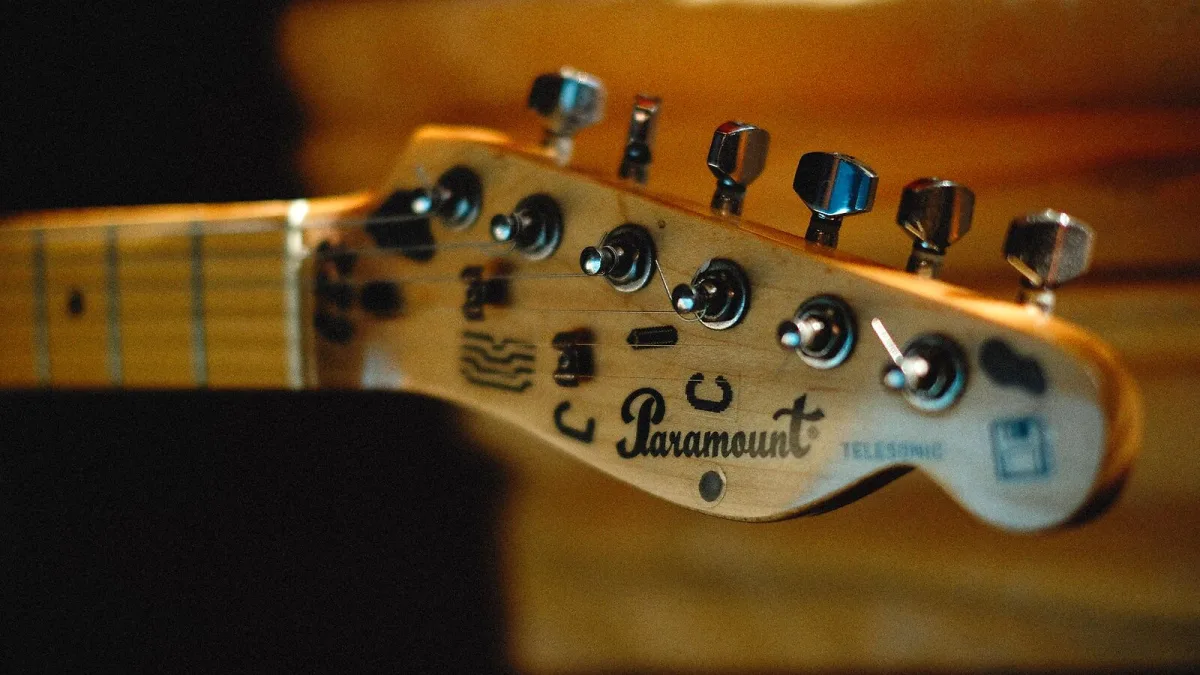
Most of the frustration people have with these guitars traces back to one of a small handful of avoidable errors, not a flaw in the instrument itself. Here are the Epiphone Les Paul mistakes I see most often, why each one causes trouble, and what to do instead.
Mistake One: Treating the Model Name as a Full Specification
"Epiphone Les Paul" covers Standards, Moderns, Customs, Juniors and Specials, each with different necks, pickups and hardware. Assuming any two examples are interchangeable because they share that name is the single most common error, and it leads to buyer's remorse when the guitar you receive doesn't match the one you pictured. Always check the exact model number and specification rather than the family name alone.
Mistake Two: Confusing Wood and Top Terminology
"Maple," "maple cap," "flame maple" and "veneer" get used loosely in listings, but they don't mean the same thing, and the difference affects both looks and, to a lesser extent, tone. If a listing is vague about which applies, check the official specification for that exact model and finish before assuming.
Mistake Three: Skipping the Professional Setup
This is the mistake with the biggest real-world impact. Neck relief, string height, intonation and pickup height all interact, and a guitar straight out of the box — especially a used or shipped one — isn't always dialled in properly. Players often blame themselves for difficulty that's actually the setup's fault. Budget for this every time; it's a small cost against a large improvement in playability.
Mistake Four: Making Large Truss-Rod Adjustments Without Understanding the Procedure
The nut, bridge and neck relief all interact, so high action isn't always caused by too much relief, and poor intonation isn't always a bridge problem. Turning the truss rod significantly without understanding what you're correcting for can make things worse, or in a bad case, damage the neck. If you're not confident, this is exactly the kind of job to leave to a tech.
Mistake Five: Misunderstanding What Coil-Splitting Actually Does
On Modern models, coil-splitting a humbucker gives a thinner, brighter, lower-output sound — it's an approximation of a single-coil character, not an identical recreation of one. Expecting it to sound exactly like a genuine single-coil pickup is a common source of disappointment that's really just a mismatched expectation, not a fault with the guitar.
Mistake Six: Skipping the Weight Check
Weight varies noticeably between individual instruments, even within the same model, and a "weight relief" designation describes a construction approach rather than a guaranteed final weight. Buying without checking how a specific guitar feels on a strap, standing up, is how people end up with a guitar they love the sound of but dread playing for a full set.
Mistake Seven: Trusting a Retailer Listing Over the Official Specification
Retailer copy can be outdated, copied from an older listing, or simply wrong about fingerboard material or electronics. Treat the official Epiphone or Gibson specification page as the primary source, and use retailer listings as a rough guide rather than the final word.
Quick Reference: Mistakes and Fixes
| Mistake | Fix |
|---|---|
| Assuming the model name is the full spec | Check the exact model number and year |
| Confusing top/wood terminology | Check the official spec, not the listing description |
| Skipping a professional setup | Always budget for one, especially on a used guitar |
| Overcorrecting the truss rod | Leave large adjustments to a qualified tech |
| Expecting coil-split to sound like a real single coil | Treat it as a distinct third tone, not a substitute |
| Not checking the guitar's actual weight | Try it on a strap standing up before buying |
| Trusting retailer copy blindly | Cross-check with the official Epiphone/Gibson spec |
Buying Used: Where Mistakes Get Expensive
Second-hand purchases raise the stakes on several of these Epiphone Les Paul mistakes at once. Check the headstock and serial number for consistency, inspect the neck joint for gaps or repairs, test the truss rod's remaining adjustment range, and look over the bridge posts and hardware for corrosion. None of this takes long, and skipping it is how an apparent bargain turns into an expensive repair job.
Where to Go Next
If you're still working out which model actually suits you, our complete buyer's guide walks through the range properly, and our round-up of the best options for the money is a good next stop once you know your budget. New to the instrument altogether? Start with our full explainer instead.
The Bottom Line
None of these Epiphone Les Paul mistakes are complicated to avoid once you know they exist — that's really the whole point of this list. A little care at the buying and setup stage saves a lot of frustration later, and turns a good guitar into one that actually plays the way it should.






Comments