


Epiphone Les Paul roundup
Epiphone Les Paul: A Complete Buyer's Guide
A no-nonsense checklist for buying an Epiphone Les Paul: what specs actually matter, and how to avoid the common pitfalls.
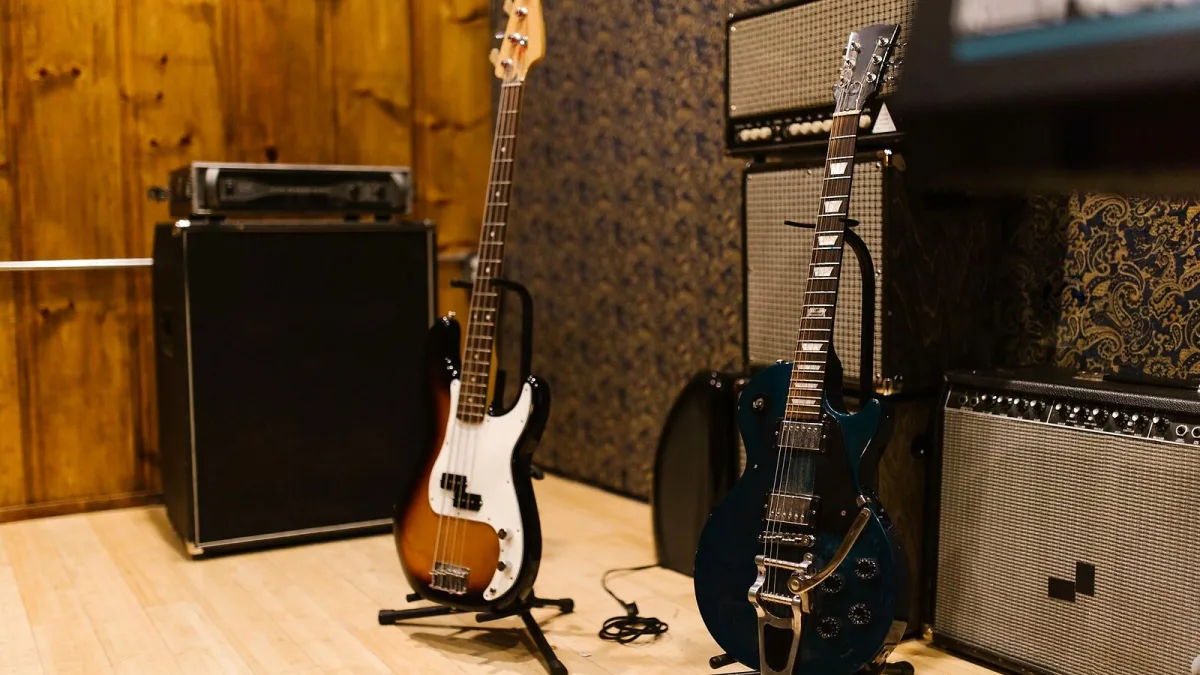
Here's the thing nobody tells you before you start shopping: "Epiphone Les Paul" isn't one guitar, it's a whole range, and the differences between the models genuinely matter. This guide skips the history and the mythology and gets straight to what to check before buying an Epiphone Les Paul, so your money goes on the right instrument rather than the prettiest photo.
Step One: Decide What You Actually Need It to Do
Before comparing specs, be honest about how you play. A single-pickup Junior is a different proposition from a switch-laden Modern, and neither is objectively "better" — they're built for different jobs.
| Model | Pickups & Controls | Suits |
|---|---|---|
| Standard 50s | ProBucker humbuckers, fuller "50s" neck | Classic rock, blues, big-handed players |
| Standard 60s | ProBucker humbuckers, slimmer SlimTaper neck | Rock, blues and general playing |
| Modern | Coil-splitting, phase switch, weight relief | Players wanting flexibility and less weight |
| Custom | Dressier appointments, ebony board | Metal, hard rock, stage presentation |
| Junior | Single P-90-style pickup, simple controls | Punk, garage rock, minimalists |
| Special | P-90-style pickups, stripped-back build | Blues, punk, overdriven tones |
Step Two: Check the Specification, Not Just the Name
This is the single most common mistake buyers make: assuming every example of a model is identical. It isn't. Confirm these before you pay:
- Fingerboard material — laurel, rosewood or ebony depending on the model and year; don't assume.
- Top construction — "maple," "maple cap," "flame maple" and "veneer" are not interchangeable terms, and a listing that blurs them is worth double-checking against the official spec.
- Pickups fitted — ProBucker humbuckers on most Standard and Modern models, P-90 PRO pickups on Juniors and Specials.
- Neck profile — a rounder "50s" neck feels very different in the hand from a slimmer "SlimTaper."
- Scale length — a consistent 24.75 inches across the range, shorter than a Fender-style 25.5-inch scale, which affects string tension and feel.
Step Three: Actually Play It (Or Check the Return Policy)
Weight varies significantly between individual instruments, even within the same model, so a guitar advertised with "weight relief" isn't a guaranteed featherweight. If you can, hold it on a strap standing up, not just seated, since a guitar that feels fine on your knee can turn shoulder-intensive after forty-five minutes of playing. Buying online without that chance? Make sure there's a sensible return window.
Step Four: Test the Electronics Properly
Run the volume and tone controls through their full range on both pickups, and listen for scratchy pots, dead spots or unexpected hum. On a Modern model, try the coil-split and phase switch too — they should produce a clearly audible, if subtle, change rather than nothing at all.
Buying Used: A Short Checklist
Second-hand can be excellent value, provided you check the right things:
- Headstock and serial number for consistency and obvious damage or repair.
- Truss-rod condition and whether it still has adjustment range in both directions.
- Neck joint for gaps, cracks or previous repair work.
- Bridge posts and general hardware for corrosion or stripped threads.
- Fret wear and fret-end condition, especially on well-used examples.
Budget for a Setup
A professional setup — correct neck relief, string height, intonation and pickup height — often makes a bigger practical difference than upgrading a model tier. Factor that cost in, particularly on a used or shipped guitar, rather than assuming it will play perfectly out of the box.
Where to Go Next
Once you know roughly which type suits you, our round-up of the best options for the money narrows things down by price tier, and our piece on common mistakes to avoid covers the pitfalls this guide only has room to summarise. If you're still getting your head around the basics, start with our full explainer instead.
The Bottom Line
Buying an Epiphone Les Paul well comes down to matching the right type to how you actually play, checking the real specification rather than the model name alone, and budgeting for a proper setup. Do that, and you'll end up with a guitar that earns its keep rather than one that just looked good in the shop window.





Comments