


Yamaha Bass roundup
Yamaha Bass: A Complete Buyer's Guide
The practical decisions that actually matter when you're choosing and buying a Yamaha bass, without the marketing spin.
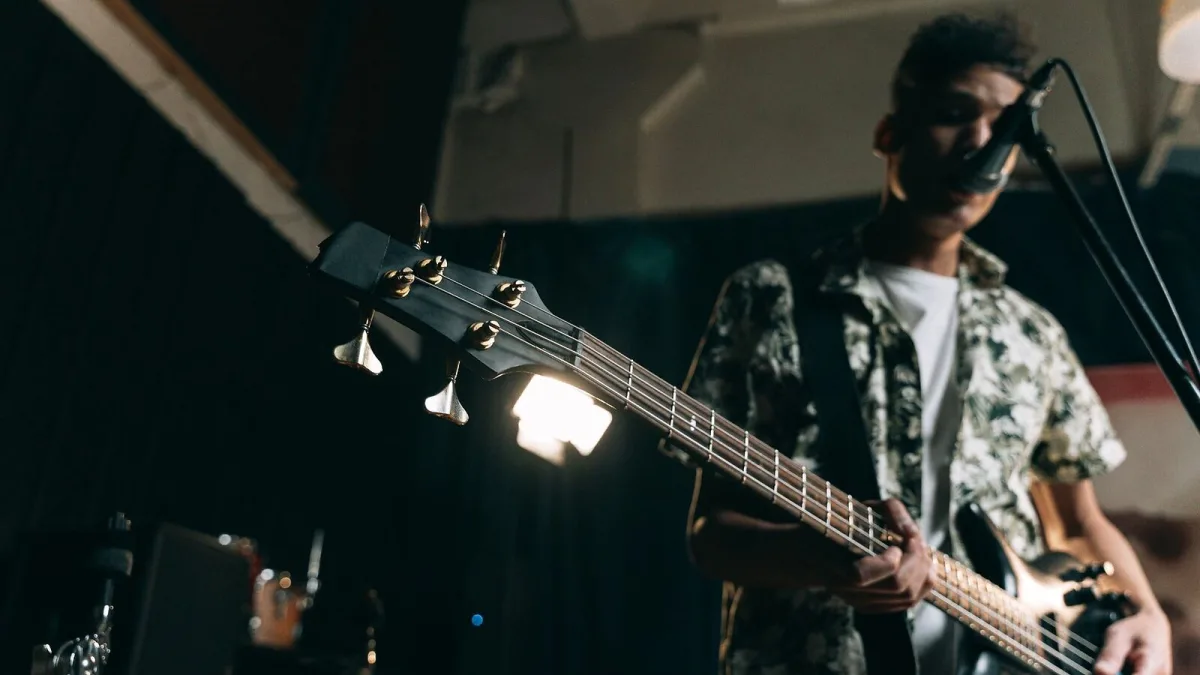
Every time someone asks me which bass to buy, I ask them a question back before I answer: what are you actually going to do with it? Yamaha's range is wide enough that the "right" choice genuinely depends on the reply, from a first four-string for band practice to a five-string signature model built around one player's technique. This is a practical, no-nonsense look at the decisions that actually matter when you're choosing a Yamaha bass and spending real money on it.
Work Out What You Need Before You Shop
Skip the spec sheets for a moment and answer three questions honestly: what style are you playing, how much can you realistically spend, and will this be your only bass or one of several? A funk or session player wants different things from a metal player, and a first instrument has different priorities to a fourth. Answer those first, and the rest of this decision gets much easier.
BB or TRBX: The Real-World Difference
The two core Yamaha bass lines split roughly like this. The BB is built around a familiar electric-bass feel and a strong midrange, and it's the natural pick if you want something that just sounds and behaves like "a bass" without extra decisions to make. The TRBX line is more contoured and contemporary, and it spans a much wider price range, from simple entry-level models to active/passive instruments with a genuinely broader tonal palette. Neither is objectively better — the TRBX gives you more electronic flexibility, the BB gives you a slightly more traditional, plug-and-play character.
Active or Passive: A Buying Decision, Not Just a Spec
An active preamp, found on higher TRBX models, adds onboard EQ shaping powered by a 9V battery. That's genuinely useful if you want to sculpt your tone at the instrument rather than relying entirely on your amp, but it does mean remembering to carry a spare battery and watching for a dead one killing your output mid-set. A passive bass needs no power and is one less thing to think about before a gig. If you're not sure which you need, passive is the lower-risk choice for a first serious instrument.
Four Strings or Five?
Don't buy a five-string just because it looks more serious. A four-string covers the overwhelming majority of music you're likely to play, and it's easier to learn on. Only step up to five if you specifically need the extended low B — modern worship, certain metal styles and some funk and fusion playing genuinely call for it. If you do go five-string, check the nut width and string spacing in person; narrower necks suit players moving over from four-string more comfortably than a wide, splayed layout.
New or Secondhand: What to Actually Check
- Neck relief and truss rod — make sure it turns smoothly and the neck isn't badly bowed or backbowed.
- Fret wear — heavy grooving under the first few frets suggests years of hard use.
- Bridge saddles — corrosion or stripped screws make proper intonation difficult.
- Battery compartment — on active models, check for corrosion from a battery left in too long.
- Model generation — an older BB or TRBX can differ substantially from a current one carrying the same name, so confirm the exact specification rather than assuming.
Yamaha Bass Budget Tiers, Roughly Speaking
| Tier | Typical models | Good for |
|---|---|---|
| Entry | TRBX174, TRBX204 | First instrument, band practice, learning |
| Mid-range | TRBX304 | Gigging players wanting more tonal range |
| Higher-end | TRBX504/505, TRBX604FM/605FM, BB | Professional and studio use |
| Specialist | Attitude, TRB, artist signature models | Players with specific technical needs |
For more on how these models actually stack up against each other, our roundup of the best Yamaha bass by budget is worth reading alongside this guide, and our overview of the full range covers the history and the artist-signature models in more depth. If you're buying your very first instrument, our beginner's guide is the better starting point.
The Bottom Line
Buy for what you'll actually play, not the longest spec sheet. Decide your string count and active-or-passive preference based on genuine need rather than what looks impressive in a shop window, and always try before you commit if you possibly can — the right fit under your hands matters more than any number on a page.





Comments