


Yamaha Bass roundup
The Best Yamaha Bass for the Money
Where the real value sits across Yamaha's bass range, honestly assessed by budget and by player rather than by spec sheet.
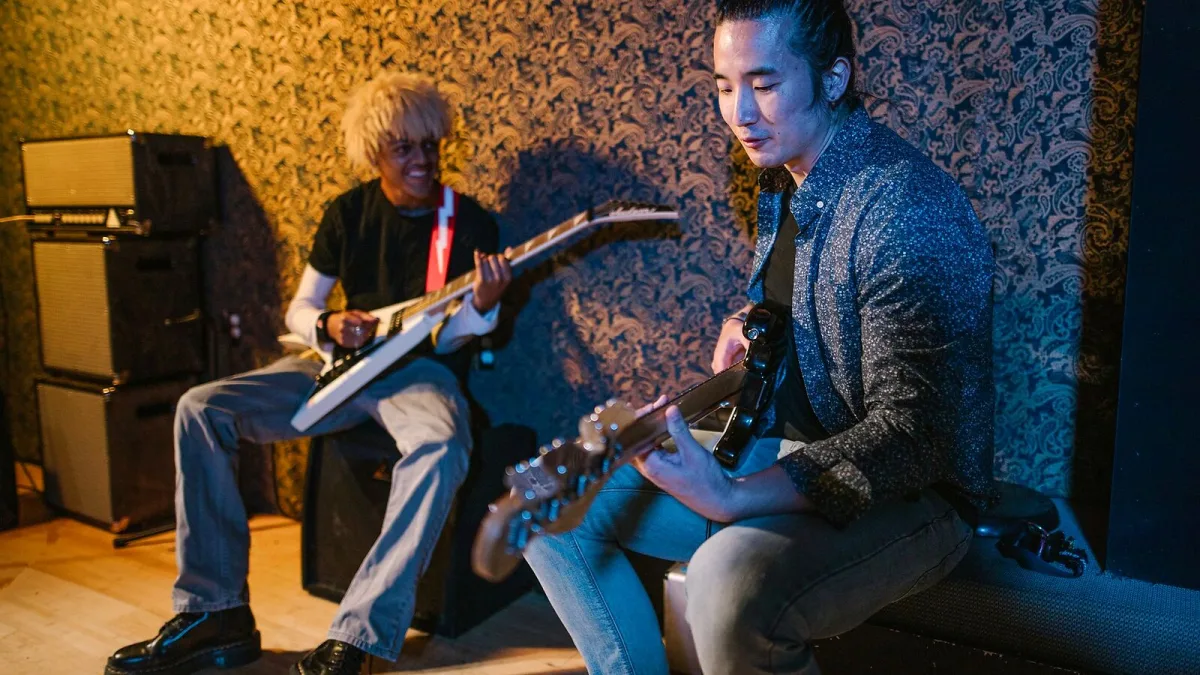
A friend of mine once turned up to a jam night with a battered old Yamaha and quietly out-played three people with far shinier basses. That's stuck with me ever since — the brand doesn't shout about itself, but it makes instruments that genuinely earn their keep at every price point. Rather than crown one single "best" Yamaha bass, here's an honest look at where the real value sits, depending on who you are and what you actually need.
Best for Your Very First Instrument
If this is your first Yamaha bass full stop, the TRBX174 and TRBX204 are exactly where to start. Nothing fancy, nothing to fiddle with — just a comfortable four-string neck, dependable tuning, and enough tone to make band practice actually enjoyable rather than a chore. Money spent chasing extra features here is money better saved for lessons or a decent amp instead.
Best All-Rounder: TRBX304
This is the one I'd point most gigging players toward without much hesitation. It steps up from the entry-level models with a more contemporary body shape and broader electronics, without tipping over into "more than you need" territory. It covers rock, pop, function-band work and most session gigs comfortably, and it's the sort of instrument you could genuinely keep for years rather than immediately outgrow.
Best for Chasing Tone: TRBX604FM and 605FM
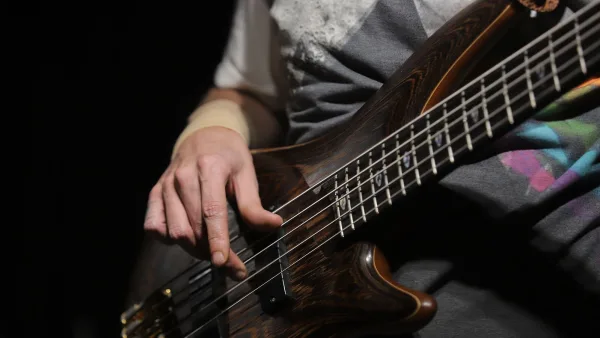
Here's where things get properly tasty. The 600-series TRBX pairs a flamed-maple top with a five-piece maple/mahogany neck and active/passive electronics with a three-band EQ, so you get real shaping power at your fingertips. Worth saying plainly: that flamed top looks gorgeous, but it's mostly cosmetic — the tone comes from the pickups, the electronics and how well the instrument is set up, not the figure in the maple.
| Model | Best for | Why it earns its place |
|---|---|---|
| TRBX174 / TRBX204 | First-time buyers | Simple, dependable, nothing to go wrong |
| TRBX304 | Gigging all-rounders | Broader tone without unnecessary complexity |
| TRBX604FM / 605FM | Tone-focused players | Active/passive flexibility and genuine build quality |
| BB series | Traditionalists | Familiar feel, strong midrange, decades of pedigree |
Best Traditional Feel: The BB Series
If the TRBX shapes feel a bit too modern under your hands, the BB line has been Yamaha's bread and butter since 1977, and it still plays like a properly considered, old-school electric bass. It's the one to reach for if you want something that just sounds and behaves the way basses are "supposed to", without any modern reinvention getting in the way.
Best for Going Further: Five- and Six-String TRB Models
For players who genuinely need the extended range — think modern worship, fusion or serious chordal playing — the TRB line is where Yamaha gets serious about extra strings. A five-string adds a useful low B, and six-string models bring a high C on top for soloing and chord voicings. It's a specialist purchase rather than a default one, so only go here if you know exactly why you need it.
Best for a Signature Sound: The Attitude
Billy Sheehan's Attitude sits in a category of its own — a neck "woofer" pickup, stereo outputs and a wide scalloped fingerboard built entirely around his technique. It's not a general recommendation so much as an instrument for a very specific kind of player who already knows they want that sound and that feel.
Which One's Actually Worth Your Money?
Honestly, the TRBX304 is the Yamaha bass that gives most players the widest smile per pound spent. But if you're still working out exactly what you need, our buyer's guide walks through the decisions in more depth, and if this is your first bass altogether, start with our beginner's guide instead.
The Bottom Line
There isn't one single best Yamaha bass — there's a best one for you, at the stage you're actually at. Buy for where you are now rather than where you imagine you'll be in five years, and you'll get far more playing done and far less shelf-gathering.




Comments