


Preamp Amp article
Preamp Amp for Beginners: A Complete Guide
You do not need a rack of gear to try a preamp amp setup. One pedal and the amp you already own is a perfectly complete place to start.
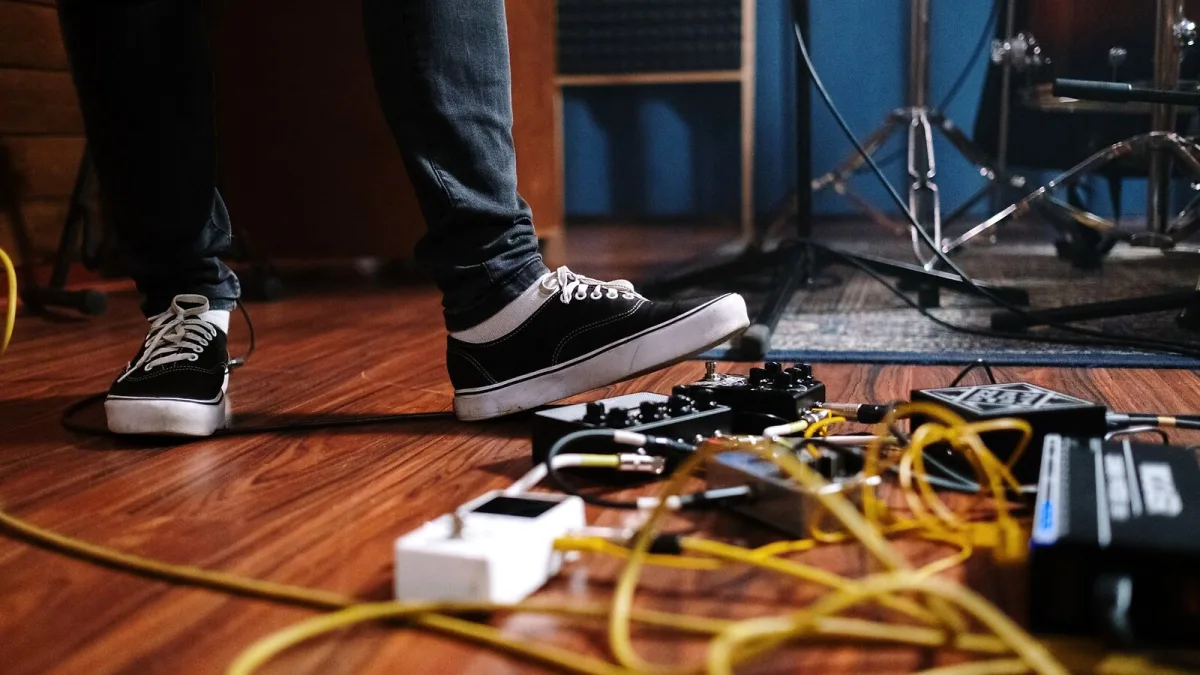
If the phrase preamp amp has sent you down a rabbit hole of forum threads and conflicting advice, take a breath. It sounds more complicated than it is. At its simplest, it just means running a separate preamp into a separate power amp instead of one all-in-one box — and you can start that journey with a single pedal and the amp you already own. Here is the calm, no-jargon version of how to begin.
You Do Not Need to Overthink This
New players often assume they need a full rack of gear before they can even try this out. You do not. A preamp amp setup, at its smallest, is one preamp pedal plugged into an amp you already have. Everything else — power amp modules, rack units, cabinet simulation — can wait until you actually know what you are missing.
The Two Jobs, in Plain Terms
Every rig, however it is built, needs two things done to the signal. First, something has to raise it and shape its tone — that is the preamp’s job. Second, something has to push it hard enough to move a speaker — that is the power amp’s job. In a normal combo, both jobs happen inside one box and you never think about it. A preamp amp setup simply splits those two jobs into separate units, on purpose, so you can choose each one independently.
The Easiest Way In
Start with one preamp pedal, plugged straight into the front of an amp you already own. You are not trying to replace anything yet — you are just adding a bit of extra tone-shaping ahead of your existing rig. This tells you, cheaply, whether you actually like what a dedicated preamp brings to your sound before you spend on anything else.
Your First Setup, Step by Step
- Plug your instrument into the preamp pedal’s input.
- Run a short cable from the pedal’s output into your amp’s normal input.
- Set the pedal’s gain low to start, and your amp’s own gain and volume at their usual settings.
- Bring the pedal’s gain up gradually, listening for where the tone starts to change in a way you like.
- Once you are happy, try the same pedal into your amp’s effects return instead of its normal input, if it has one — this lets the pedal take over from the amp’s own preamp entirely, which often sounds cleaner and less muddled.
Words You Will See on the Box
- Gain — how hard the preamp pushes the signal; more gain generally means more grit and compression.
- Headroom — how much signal a stage can take before it clips or distorts.
- DI (direct injection) — an output built to feed a mixer or interface directly, without an amp in between.
- Cabinet simulation — circuitry that mimics the sound of a real speaker, useful for recording or playing silently.
- Effects loop — a send-and-return pair on the amp, usually placed after its own preamp stage.
Give the Pedal a Fair Trial
Live with the pedal for a week or two before deciding whether it is right for you. Try it clean, try it with a bit of gain, and try it at the volume you actually play at, since gain-heavy sounds can feel very different quiet in a bedroom compared with loud in a rehearsal room. Compare it against your amp’s own channel at a matched volume too — it is easy to assume the louder option is automatically the better one, when really your ears are just responding to the extra level.
When You Might Add a Power Amp
Once you know you like running a separate preamp, some players eventually add a dedicated power amp too, feeding a cabinet directly rather than going through a combo at all. There is no rush to get here. It is worth reading our full overview of preamp amp setups once you are ready, since it explains how the whole signal chain fits together in more depth than you need on day one.
Common Beginner Worries, Answered Calmly
Will you break something? Not if you keep to instrument-level and line-level connections and avoid plugging a power amp’s output into anything but a proper speaker cabinet. Will you sound worse than before? Unlikely — at worst, turn the pedal’s gain down or switch it off and you are back to your amp exactly as it was. Do you need to understand every spec before you buy? No. Our buyer’s guide is there for when you are ready to shop properly — you do not need it for step one.
What to Avoid While You Are Learning
The main beginner trap is expecting a small preamp pedal to instantly sound like a full amp, cabinet and all, when it is only doing one part of that job. There is a longer list of these slip-ups, worth a skim once you are past the absolute basics, in our guide to common preamp amp mistakes.
The Bottom Line
You do not need a rack full of gear, a wall of cables or a degree in electronics to try a preamp amp setup. One pedal, one amp you already own, and a bit of patient listening is a perfectly complete place to start — everything else can be added later, once you actually know you want it.




Comments