


Preamp Amp roundup
Preamp Amp: A Complete Buyer's Guide
A preamp and a power amp only sound good together when their levels agree. Here's exactly what to check, in order, before you buy either half.
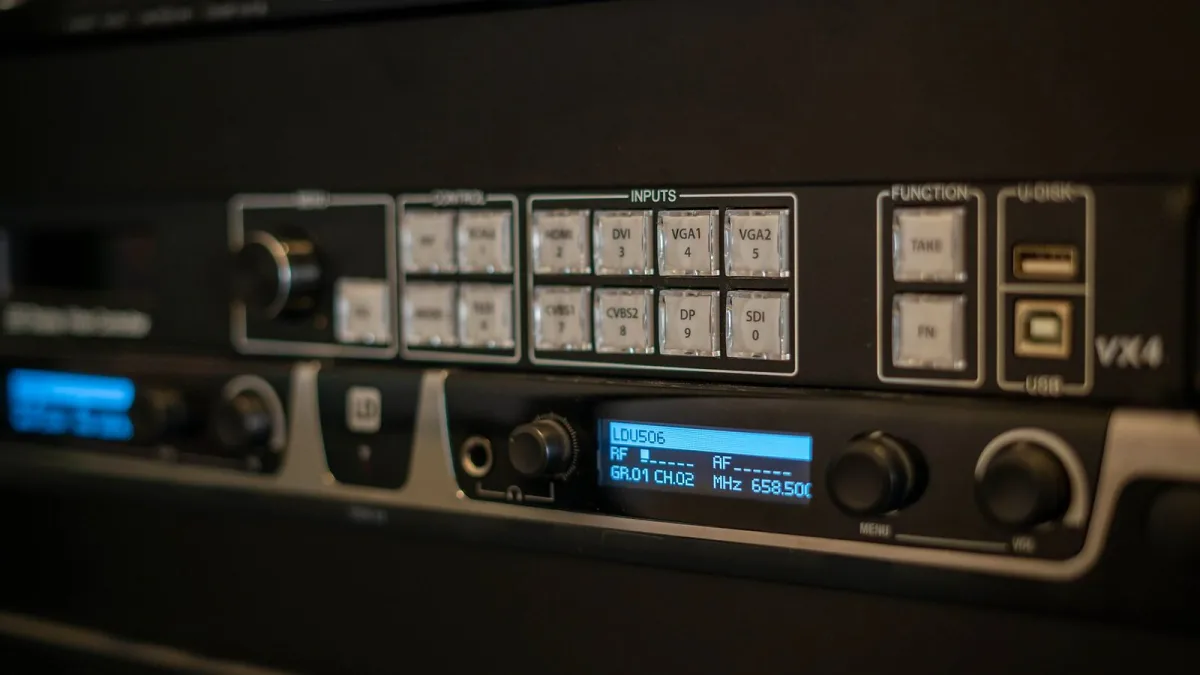
Buying into a preamp amp setup — a dedicated preamp paired with a separate power amp, rather than an all-in-one combo — is easy to get wrong if you shop by price alone. The two units need to agree with each other on gain, level and power before either one sounds any good. This guide walks through exactly what to check, in the order it actually matters, so you spend money on the right things first.
Start With the Job, Not the Gear
Before you look at a single spec sheet, work out what you actually need the pairing to do. Are you feeding a passive speaker cabinet on stage? Recording direct into an interface? Running silently at home through headphones? Each answer points you towards a different combination:
- Live, through a cabinet — you need a preamp and a power amp with enough wattage between them to drive your cab properly.
- Direct into a desk, PA or interface — you need a preamp with cabinet or impulse-response simulation built in, and no power amp at all.
- Feeding an existing combo’s effects return — you only need the preamp; the combo supplies the power stage already.
Whichever route applies to you, that decision is what should drive every preamp amp purchase from here on — it is far easier to buy the right pairing once than to return the wrong one.
Gain, Headroom and the Tone Stack
Gain controls how hard the preamp is being pushed, which shapes how much distortion and compression you get before the signal ever leaves the unit. Headroom is the flip side of that: how much signal the circuit can accept before it clips. A preamp with plenty of clean headroom suits acoustic instruments and studio work; one that clips early and gracefully suits blues, rock or metal tones. Check the EQ layout too — bass, middle and treble controls behave differently depending on whether they sit before or after the gain stage, so two preamps with identical knobs can sound genuinely different. This gain stage is where most of a preamp amp’s character comes from, which is exactly why it is worth spending your attention here before anything else.
Valve, Solid-State or Digital?
| Type | Typical strengths | Worth knowing |
|---|---|---|
| Valve | Gradual, musical compression as it’s pushed | Heavier, needs warm-up, valves wear over time |
| Solid-state | High headroom, precise and consistent | Can sound sterile unless a clipping stage is built in |
| Digital / modelling | Flexible, often includes cab simulation | Only as convincing as its converters and algorithms |
None of these is a shortcut to a good sound on its own — treat “valve,” “analogue” or “boutique” on a spec sheet as a starting point for listening, not proof of quality.
Matching the Power Amp Side
If your rig needs a real power amp, this is where a preamp amp purchase most often goes wrong. Three things have to line up:
- Input sensitivity — the power amp must accept the preamp’s output level without being overdriven or left too quiet.
- Wattage — enough clean power for your cabinet and the rooms you actually play, with some headroom to spare.
- Impedance — your cabinet’s ohm rating has to sit within what the power amp is rated to drive safely.
A speaker-level output should never be routed into a pedal, interface or line input — it carries far more power than any of those inputs expect, and it can damage equipment on both ends.
Do You Need Cabinet Simulation or a DI?
If any part of the plan involves recording direct, running through a PA, or practising silently, cabinet or impulse-response simulation is not optional — without it, a preamp on its own tends to sound thin and harsh, because a real speaker is doing far more tonal work than most players realise. Many preamp pedals aimed at bass players already build in a DI output with cab simulation for exactly this reason, which is worth checking for even if you also plan to run a power amp and cabinet most of the time.
A Practical Buying Checklist
Run through this before you commit to any preamp amp purchase:
- What source is it for — guitar, bass, microphone or a line-level device?
- Where does the output go — amp input, effects return, power amp, interface or PA?
- How many channels and inputs do you actually need?
- Balanced or unbalanced outputs, and does that matter for your cable runs?
- Phantom power, if you’ll ever plug in a condenser microphone?
- Noise performance at the gain levels you’ll realistically use?
- Bypass behaviour — true bypass or buffered, and does it matter for your board?
- Do independent reviews back up the manufacturer’s claims, or is it marketing language alone?
Buying in Tiers, Not Model Numbers
Rather than chasing specific models, think in tiers. Entry-level preamps and small power amp modules cover the basics competently and are a sensible place to start. Mid-range units add more EQ flexibility, better noise performance and proper DI sections. Higher-tier gear tends to buy you refinement and headroom rather than new features outright — useful once you already know exactly what you’re missing, less useful as a first purchase. If you are still working out which category you fall into, our overview of preamp amp setups covers the underlying signal chain in more depth.
Mistakes That Cost Buyers Money
Most wasted money in this category comes from buying a preamp pedal expecting it to behave like a full amplifier, or pairing a power amp that can’t safely handle a cabinet’s impedance. We cover these, and several other avoidable slip-ups, in our guide to common preamp amp mistakes — worth ten minutes before you check out.
If You’re Buying Your Very First One
Everything above assumes you already know roughly what you want. If this is your first time building a rig like this, start smaller than you think you need to and read our beginner-friendly guide first — it covers the simplest possible starting point, one pedal at a time.
The Bottom Line
A good preamp amp purchase comes down to matching three things properly: the source you’re feeding in, the destination you’re sending out to, and the levels in between. Get those right and the rest — valve or solid-state, budget or premium — is really just a matter of taste.






Comments