


Blues Junior Amp roundup
The Best Blues Junior Amps for the Money
Same core amp, three very different price tags. Here's which Blues Junior edition genuinely earns the extra spend, and which doesn't need to.
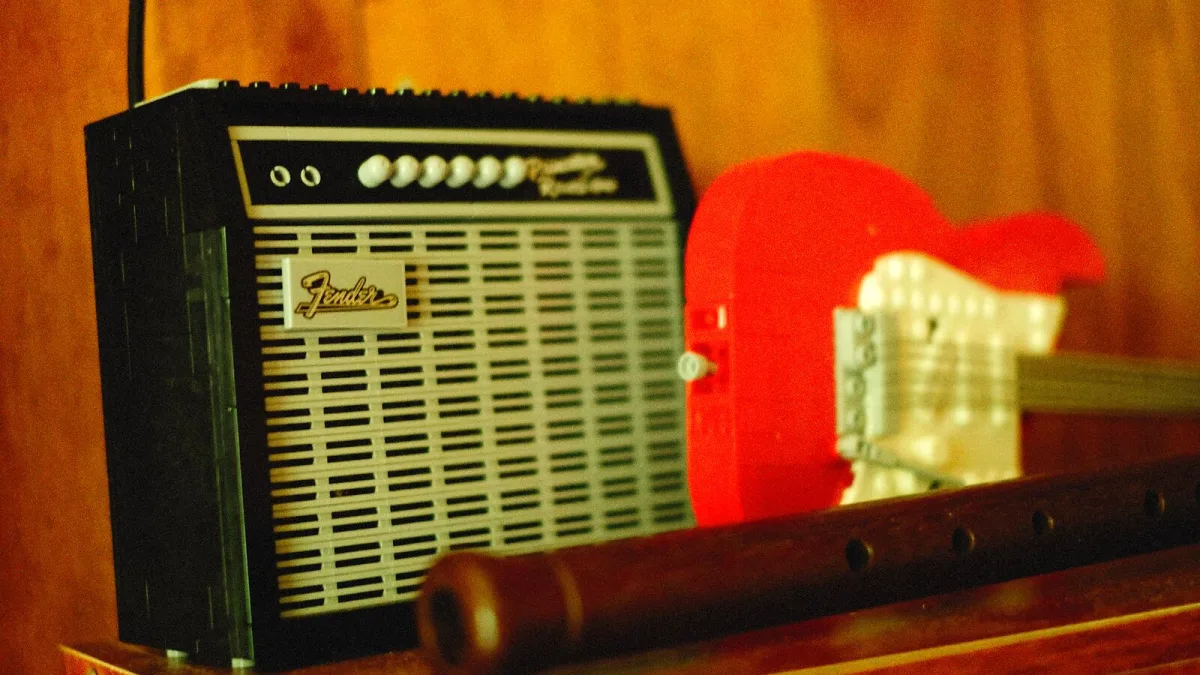
Fender hasn't sold just one Blues Junior amp for years — it's sold a small family of them, all built around the same core circuit but dressed and finished differently. If you're trying to work out which version actually gives you the most for your budget, here's how the range breaks down.
Same Amp, Different Editions
Before comparing prices, it helps to know that every version shares the same bones: a single-channel, 15-watt all-valve combo running three 12AX7 preamp valves and two EL84 power valves, with a three-band EQ, spring reverb and a footswitchable FAT boost. What changes between editions is mostly cosmetics and, crucially, the speaker — and the speaker does more to shape the character of a Blues Junior amp than almost any other single part.
Best Value: The Standard Model
The current Blues Junior IV, in its plain black vinyl covering, is the sensible choice if you want the full personality of the amp without paying for cosmetics. It ships with a 12-inch Celestion A-Type speaker, the revised Mark IV preamp, and a smoother reverb taper than earlier revisions. For most players — gigging musicians, home recordists, anyone who wants a genuine valve pedal platform — this is where the money is best spent.
Best for Vintage Looks: Lacquered Tweed
If cosmetics and a bit of old-school flavour matter to you as much as tone, the Lacquered Tweed edition dresses the same circuit in period-correct tweed covering. Across various production runs it has shipped with different speakers, including Jensen units, which gives it a genuinely different response to the standard model rather than just a different jacket. You're paying a premium here for looks and a distinct voicing, not for a better amp in any objective sense.
Best for a Milestone Purchase: The 30th Anniversary Edition
Marking the model's 2025 anniversary, Fender built a 30th Anniversary version fitted with a Celestion G12M-65 Creamback — a speaker with its own distinct upper-mid push and smoother top end compared with the standard A-Type. Guitar World's review of the edition called it an "all-valve portable combo," which is really just a reminder that, however it's dressed, this is still a compact gigging and recording tool at heart. Buy this one if you want a talking point alongside the tone, not purely on spec-for-pound value.
Best Bargain: Buying Secondhand
Because the platform has barely changed across its Mark revisions, a well-kept used Blues Junior amp from an earlier Mark can be the strongest pound-for-pound option going, provided you check a few things first: has it been rebiased since any valve replacement, is the original speaker still fitted, and does the FAT switch and reverb both work as they should. Our complete buyer's guide goes through exactly what to check before you commit.
Is the Extra Money Actually Worth It?
It's a fair question, because on paper the price gap between the plainest and the fanciest edition can look steep for what is, underneath, the same 15-watt circuit. In practice, the answer depends on what you're buying for:
- Buying to play — gigging, rehearsing, recording — the standard model does everything the premium editions do tonally, minus the specific speaker character of the tweed or anniversary versions. You are not sacrificing usability by choosing it.
- Buying for character — if you've heard a Lacquered Tweed or Creamback-loaded anniversary unit and preferred that particular voicing, the extra spend buys a genuinely different amp in the ways that matter to your ears, not just a different look.
- Buying as a collector or as a gift — the anniversary edition's limited run and cosmetics add value that has nothing to do with tone, and that's a perfectly reasonable reason to spend more.
There is no wrong answer here, only an honest one: know which of those three you actually are before you pay a premium for it.
What Actually Changes Between the Editions
| Edition | Standard speaker | Best for |
|---|---|---|
| Blues Junior IV (standard) | 12" Celestion A-Type | All-round value, gigging and recording |
| Lacquered Tweed | Varies by run; Jensen units used | Vintage look and a distinct voicing |
| 30th Anniversary | Celestion G12M-65 Creamback | Collectors and a different upper-mid character |
Whichever edition you're weighing up, always confirm the exact speaker and revision from the rear panel and speaker label rather than the retail listing — specifications have shifted enough across the years that assumptions can catch you out.
The Bottom Line
None of these versions makes a "better" amp in the sense of being more capable — they make a differently voiced or differently dressed one. For sheer value, the standard model wins easily. For character and looks, the Lacquered Tweed and 30th Anniversary editions earn their higher price with a genuinely different speaker, not just a different finish. If you want the full story on what's inside any of them, read our overview of the Blues Junior amp, and if this is your first valve amp, our beginner's guide and our common mistakes to avoid are both worth a read before you buy.





Comments