


Blues Junior Amp article
Common Blues Junior Amp Mistakes to Avoid
Most regrets about this amp trace back to a handful of avoidable errors, not a genuine flaw. Here's what to watch for before it bites you.
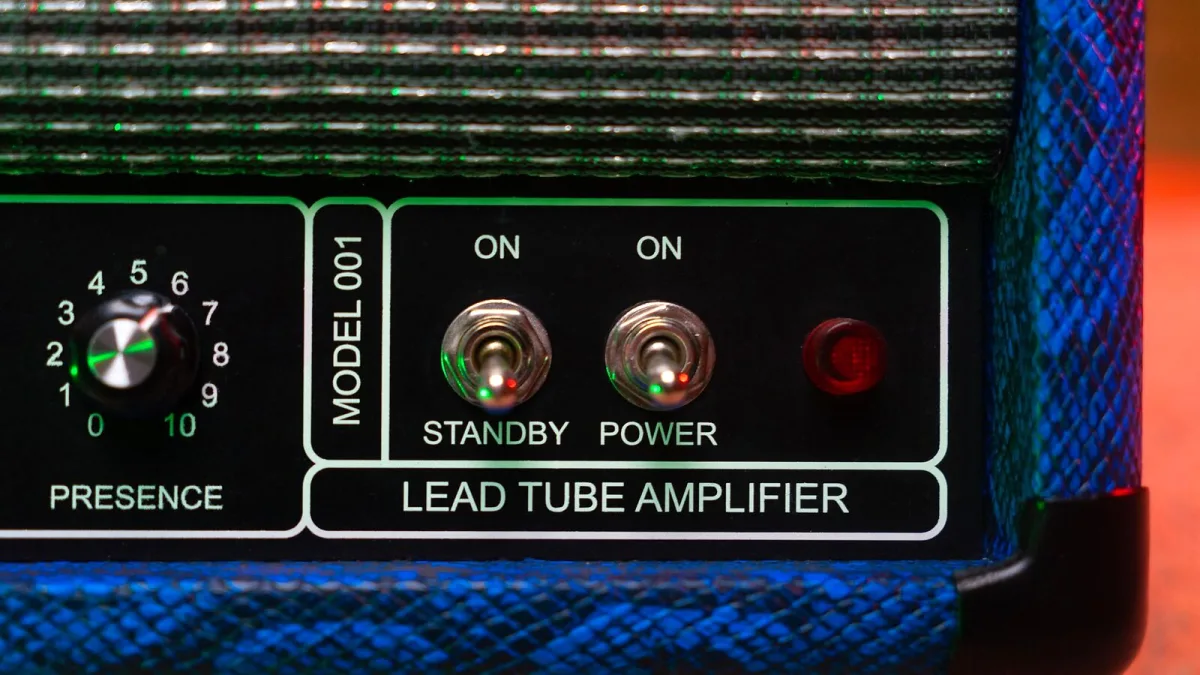
I've watched plenty of players fall in love with a Blues Junior amp and then quietly fight it for months, usually over the same handful of avoidable errors. None of these mistakes are complicated to fix once you know they're happening — you just need someone to point them out first.
Buying Without Checking Which Edition You're Getting
Fender has sold several versions of this amp side by side — the standard model, the Lacquered Tweed, and various anniversary editions — and they don't all use the same speaker. Assuming a listing photo tells you everything is a classic error. Always check the rear panel and speaker label, not just the badge on the front, especially buying secondhand. Our buyer's guide has the full checklist if you're shopping right now.
Treating the FAT Switch Like a Volume Boost
This one catches out a lot of players expecting a dramatic jump when they hit the FAT switch. It adds midrange emphasis and extra gain, not a wall of extra loudness, and going in expecting the latter leads people to conclude the feature "doesn't do much." Use it for a fatter rhythm tone, and reach for a dedicated boost pedal if you actually need more decibels for a solo.
Ignoring Valve and Bias Maintenance
The power section runs a fixed bias, which means swapping in a random pair of power valves without checking the bias afterwards isn't a minor shortcut — it's a genuine risk to the amp. Common mistakes here include:
- Buying non-matched replacement valves and assuming they'll behave the same as the originals.
- Skipping a bias check after any power-valve swap.
- Leaving old, tired preamp valves in place for years and blaming the amp for a tone that's actually just worn-out glass.
- Attempting internal work without the training to do it — this amp holds genuinely dangerous voltages even unplugged.
Blaming the Amp for a Speaker Mismatch
Because the standard, tweed and anniversary editions have used noticeably different speakers over the years, plenty of "this amp sounds harsh" or "this amp sounds muddy" complaints are really speaker complaints in disguise. Before you decide the whole amp isn't for you, work out exactly which speaker is fitted and whether that's actually the character you're hearing, rather than assuming every unit sounds identical.
Setting It Up Wrong for the Room
A Blues Junior amp cranked for a small bedroom will feel completely different in a rehearsal space, and vice versa. Common setup mistakes include running the Volume too high for a quiet room, so all your gain comes from the amp with nowhere left to add a pedal on top, and running everything too clean in a loud room, then wondering why the tone feels thin under a full band. If you're brand new to the amp, our beginner's guide has sensible starting points for the knobs.
Chasing Mods Before Learning the Stock Tone
Speaker swaps, tone-stack tweaks and reverb-circuit changes are all genuinely popular modifications, but jumping straight to them before you've spent real time with the amp as Fender built it is a mistake I see constantly. You end up chasing a sound you can't properly evaluate, because you never learned what the baseline actually offers. Live with the stock amp for a while, work out what you'd actually change and why, then modify with intent rather than impatience. For the full picture of what's inside before you start altering it, our overview of the Blues Junior amp is worth reading first, and our breakdown of the best editions for the money is worth a look if a speaker swap has you wondering whether you bought the wrong version in the first place.
Forgetting the Footswitch Exists
The one-button footswitch that ships with a new Blues Junior amp is easy to leave in a gig bag pocket and forget about entirely, which means players end up reaching down mid-song to flick the FAT switch by hand, or simply never using it at all. If yours has gone missing on a secondhand unit, it's a small, cheap thing to replace — but it's worth actually doing, because switching the boost in and out with your foot rather than your fretting hand changes how usable the feature is in practice.
The Bottom Line
Almost every regret I hear about this amp traces back to one of these avoidable errors, not to a genuine flaw in the design. Know your edition, respect the bias, match your setup to the room, and give the stock tone a fair hearing before you reach for a screwdriver, and there's very little left to go wrong.





Comments