


Bass Amp Head article
Bass Amp Head: A Complete Guide
A bass amp head is the amplifier section of a bass rig, separated from the speaker cabinet. This guide covers types, power ratings, top brands and how heads compare to combo amps.
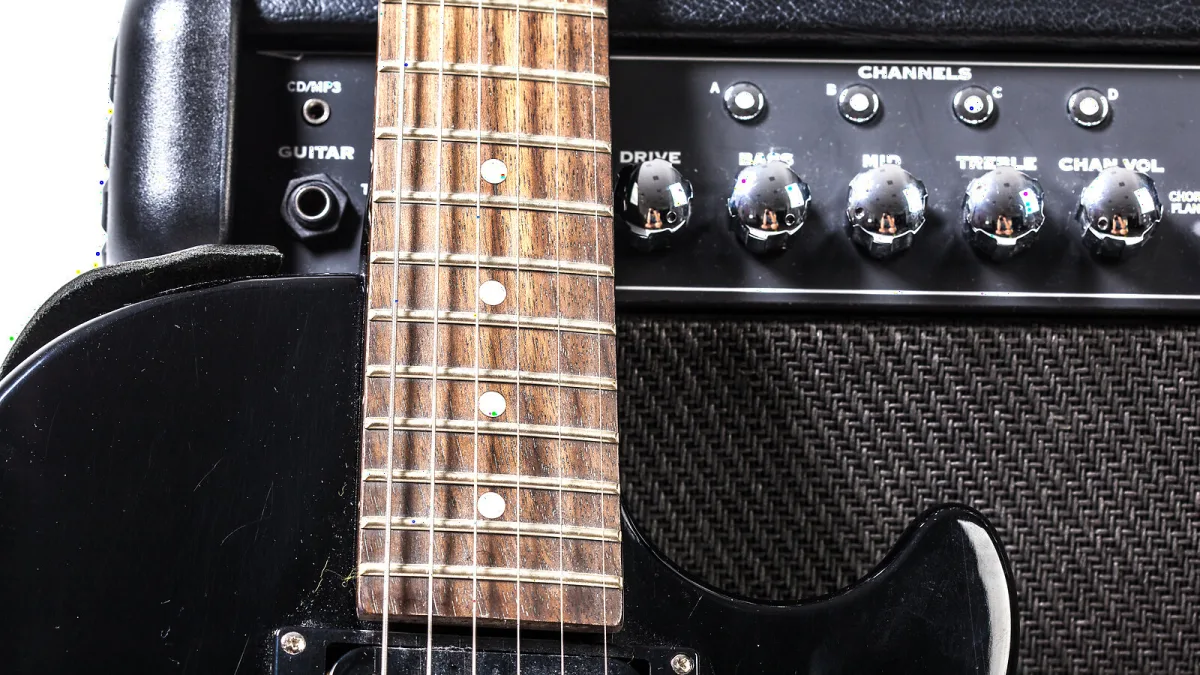
A bass amp head is the amplifier section of a bass rig, separated from the speaker cabinet. Rather than a self-contained combo unit, a head gives you the electronics — preamp, EQ, power amp — in a single rackmount or stackable box, which you then pair with one or more external speaker cabinets. It is the standard approach for serious gigging bassists and anyone who wants a flexible, upgradeable setup.
How the Amplifier Unit Works
The head handles all the amplification. The signal from your bass enters the preamp stage, where the initial gain and tone shaping happen. From there it moves into the power amp, which drives the speakers in your connected cabinet. The head does not produce sound on its own — it needs a cabinet — but it is where all the tonal work happens.
Most bass amp heads provide:
- Gain control — sets how hard the preamp is driven; higher gain produces a slightly driven character before any power amp distortion.
- EQ section — typically at minimum bass, mid and treble controls; higher-end heads add semi-parametric or graphic EQ, giving far more tonal flexibility.
- Volume/master — the output level sent to the cabinet.
- DI output — a direct signal to the mixing desk, essential for live use where the PA carries the bass sound to the room.
Solid-State, Valve and Hybrid
The three main categories you'll encounter are solid-state, valve and hybrid. Each has a distinct character and practical profile.
Solid-state heads use transistors throughout. They are reliable, lightweight and consistent in tone. Modern solid-state bass heads — brands like Gallien-Krueger, MarkBass and TC Electronic — can achieve extraordinarily clean headroom and are popular with players who want their bass's natural tone to come through without colouration.
Valve (tube) heads use thermionic valves at some or all stages. Valve amps have a characteristic warmth and dynamic response — they compress and slightly distort in a musical way when pushed hard. The Ampeg SVT is the archetype: its sound is baked into decades of recorded bass. The trade-offs are weight, cost and the eventual need to replace valves.
Hybrid heads combine a valve preamp with a solid-state power section. This gives the tonal character of valves at a fraction of the weight and cost, and with more reliability. The Ampeg Portaflex (PF) series is a well-regarded example.
Power Ratings: How Much Do You Need?
Bass requires considerably more headroom than guitar. A 100W head is useful for quiet rehearsal; for a real gig with a drummer, 300–500W into an appropriate cabinet is a more practical starting point. Higher-powered heads (800W–1200W) are used by players who need to fill large venues or who regularly play outdoor stages where cabinets are asked to work harder.
The cabinet's efficiency (measured in dB/W/m) also matters: a highly efficient cabinet can make a 300W head sound comparable to a 500W head into a less sensitive cabinet.
Leading Brands for Bass Amplification
Several names dominate this market:
- Ampeg — the most historically significant name in bass amplification, from the SVT (still considered the benchmark valve head for rock and session work) to the lighter, affordable PF series.
- Gallien-Krueger — known for clarity, punch and reliability. The MB series introduced the lightweight class-D format that is now the industry standard.
- MarkBass — Italian-built heads that prioritise transparency and a flat, clean response. Very popular in jazz and session contexts.
- TC Electronic — offers affordable solid-state heads with strong features including TonePrint technology (downloadable effects profiles).
- Darkglass — favoured in metal and heavy contexts; known for precise distortion characteristics and modern preamp design.
- Orange — the Terror Bass line extends the brand's character to bass; valve-driven, loud and distinctive.
Head vs Combo: Which Is Right for You?
A combo combines head and speaker in one unit and is typically easier to transport and set up. A head-and-cabinet setup is more flexible: you can change cabinets for different sounds or venues, daisy-chain multiple cabinets, and upgrade components independently. For a player who gigs regularly and wants a scalable rig, a head is usually the better long-term investment even if the initial complexity is slightly higher.
For a thorough breakdown of what to prioritise when purchasing, see the buyer's guide. If you're new to the format and want the essentials first, the beginner's guide covers the ground clearly.
Bottom Line
A bass amp head is the flexible, scalable heart of a serious bass rig. Understanding how solid-state, valve and hybrid designs differ, and matching output power to the demands of your venues and cabinets, will help you get the right head first time rather than upgrading sooner than necessary.






Comments