


Powered Amplifiers article
Powered Amplifiers for Beginners: A Complete Guide
If the jargon around powered amplifiers has already put you off, take a breath. Here it is explained properly, one step at a time.
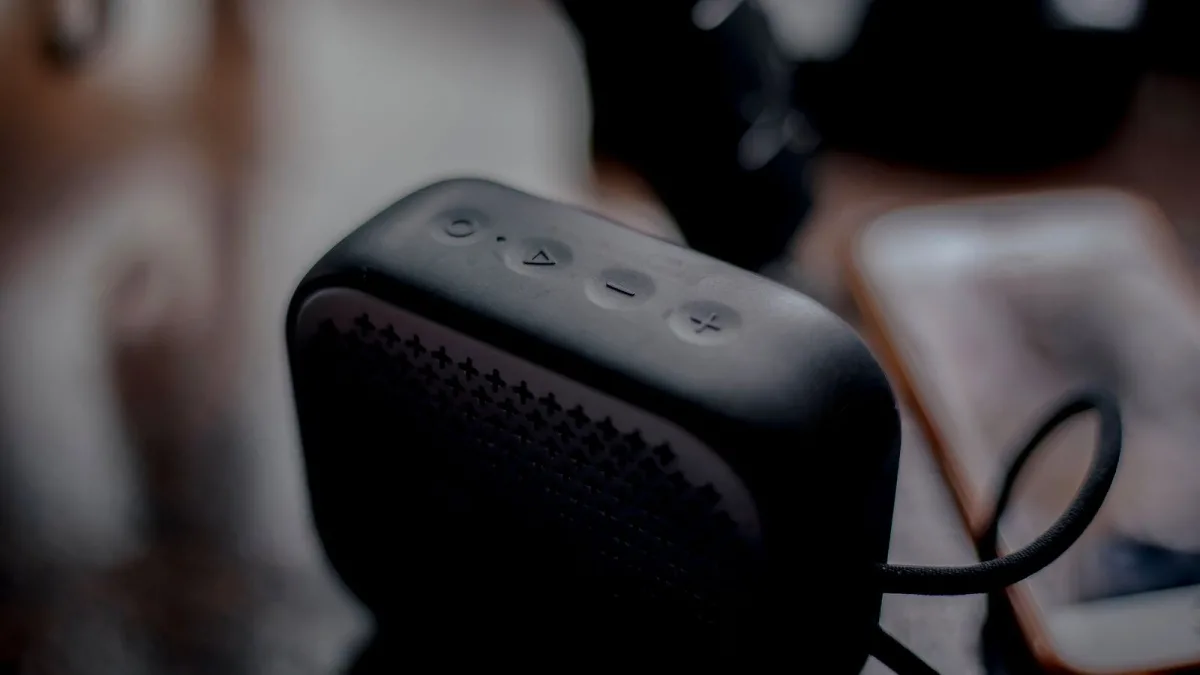
If the words "impedance," "Class D" and "RMS wattage" have already made you want to close this tab, take a breath — you are exactly who this guide is for. Powered amplifiers sound far more intimidating than they actually are once somebody explains them without assuming you already know the jargon, and choosing between powered amplifiers does not need to feel like an exam. So let's do that properly, one step at a time.
First, What You Are Actually Buying
In the simplest possible terms, powered amplifiers take a quiet signal — from a mixer, a microphone, an instrument or a laptop — and make it strong enough to move a speaker and fill a room with sound. That is genuinely the whole job. Everything else you will read about it is detail on top of that one basic function, not a separate, more complicated thing you also need to understand from scratch.
The Only Two Choices That Matter at the Start
Beginners usually only need to make one real decision, and it is simpler than it looks:
- A powered (active) speaker has the amplifier already built in. You plug your source in, and it works. This is genuinely the easiest and most forgiving option if you are starting from nothing.
- A separate power amplifier plus passive speakers gives you more flexibility later, but means you need to check that the amplifier and speakers are actually compatible with each other before you buy either one.
If in doubt, start with a powered speaker. You can always add a separate amplifier and passive speakers later once you understand what you actually need from a system.
Setting Up Your First Powered Amplifiers Safely
Once you have chosen your gear, getting it running safely is genuinely straightforward if you follow it in order:
- Check the power is off before connecting or disconnecting any cables.
- Connect your source — mixer, instrument or laptop — to the amplifier's or speaker's input, using the correct cable type for that input.
- Connect speaker cables only if you are using a separate amplifier and passive speakers, checking polarity as you go.
- Turn the amplifier's volume all the way down before switching anything on.
- Power on the source first, then the amplifier or powered speaker, to avoid a loud pop through the speaker.
- Bring the volume up slowly while playing something quiet, listening for any unwanted noise or distortion.
That order matters more than people expect — powering things up in the wrong sequence is one of the more common ways beginners accidentally damage a speaker on day one.
Words You Will See on Powered Amplifiers and What They Actually Mean
- Ohms (impedance) — a number describing how much resistance your speaker presents. Amplifiers and speakers need to be compatible on this number.
- RMS or continuous watts — a realistic, sustained power figure. Trust this over any "peak" number.
- Class D — a modern, efficient amplifier design that is light and does not run especially hot. You do not need to understand the engineering, just that it is a sensible, common choice.
- Headroom — extra power in reserve so the sound does not distort at its loudest moments.
You genuinely do not need to memorise all of this before buying anything — it will make far more sense once you have a system in front of you to relate it to.
Common Beginner Worries, Sorted
"What if I buy the wrong wattage?" — within reason, a slightly more powerful amplifier run at a sensible volume is safer than an underpowered one being pushed to its limit constantly. "What if I damage something?" — following the power-on order above avoids the most common accidental damage. "This all still sounds complicated" — it gets genuinely easier once you own one system and stop trying to learn every possible configuration at once.
When You Are Ready for More Detail
Once the basics feel comfortable, our complete buyer's guide to powered amplifiers goes properly into spec sheets and impedance matching, and our guide to common mistakes is worth a read before you push your first system too hard. Neither is essential reading before you start — they are simply there for whenever your own curiosity catches up.
You Are Already Doing Fine
Nobody understood impedance and headroom on their first day with powered amplifiers, and you do not need to either. Get one simple system working, follow the safe power-on order, and let the rest of the terminology arrive gradually as you actually use the gear. That is genuinely how everybody learns this.






Comments