


Powered Amplifiers article
Common Powered Amplifiers Mistakes to Avoid
Powered amplifiers are more forgiving than people assume, right up until one specific mistake turns them into an expensive problem.
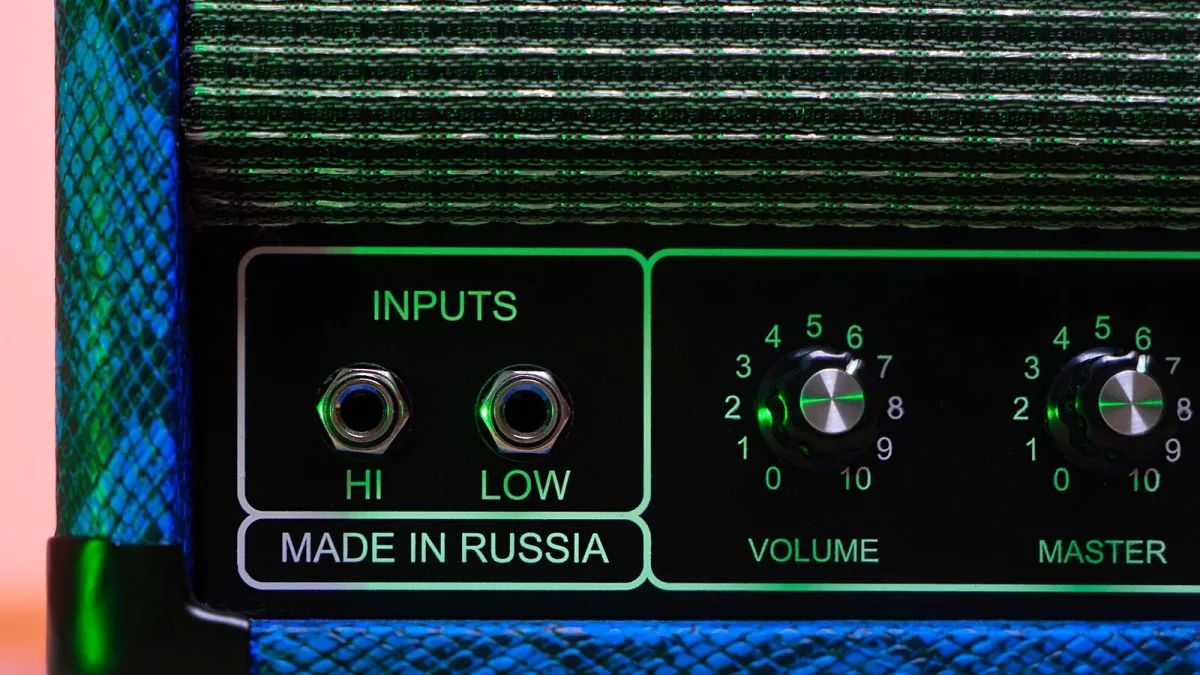
I have watched more than one good rig built around powered amplifiers get quietly wrecked by a mistake that took thirty seconds to make and cost a lot longer to fix. Powered amplifiers are genuinely more forgiving than most gear people assume, right up until one specific error turns them into an expensive problem. Here are the ones that come up again and again, and exactly how to avoid each one.
Mistake One: Chasing Peak Wattage Instead of Continuous Power
That huge "peak" number on the box is designed to catch your eye, and it is almost useless for comparing gear. Peak figures vary wildly by manufacturer's test method and are not comparable between brands. Always look for the continuous or RMS rating, stated at a specific impedance and distortion level — that is the number that actually tells you what the amplifier can sustain, not what it can briefly flash before backing off.
Mistake Two: Ignoring Impedance and Frying Something
Wiring speakers together without checking the resulting impedance is one of the fastest ways to damage an amplifier. Two identical 8-ohm speakers wired in parallel present a combined 4-ohm load, not 8 — and running an amplifier below its rated minimum impedance can push it into overcurrent territory it was never designed to handle. Never assume an amplifier rated safe at 4 ohms will also tolerate 2 ohms without checking the manual specifically.
Mistake Three: Running a Tube Head With No Speaker Connected
This one is specific to tube amplifiers, and it genuinely surprises people: some tube heads can be damaged if they are powered on without a properly connected, correctly matched speaker cabinet. Unlike most solid-state and Class D designs, a tube power section can suffer real damage running with no load, so always connect the cabinet before powering up, not after.
Mistake Four: Powering Everything On in the Wrong Order
Turn the amplifier on before the source, with the volume already up, and you risk sending a loud, damaging pop straight through the speaker. The safe order is: volume down first, source powered on, then the amplifier or powered speaker, then volume brought up gradually. It takes ten extra seconds and it is genuinely worth doing every single time, not just when you remember to.
Mistake Five: Leaving No Headroom at All
Running an amplifier right at the edge of its output, night after night, invites clipping — and clipping does more damage to tweeters and compression drivers than clean power at higher volume ever will. Insufficient headroom shows up as harsh distortion, reduced transient impact and constant limiter activity. Buying (or running) an amplifier with genuine reserve capacity, rather than one working flat out constantly, protects your speakers far more reliably than simply turning things down occasionally.
Mistake Six: Blocking Ventilation on Rack-Mounted Amps
External power amplifiers need proper airflow, and a rack packed tight with no clearance is asking for a thermal shutdown mid-show. Dust-clogged filters, blocked fans and poor rack ventilation are a genuinely common, entirely preventable cause of amplifiers cutting out at the worst possible moment. Check clearance requirements and actually follow them, especially in a touring case built for portability rather than airflow.
Mistake Seven: Assuming Class D Means "Digital Audio"
Class D refers to a switching output-stage design, not to the audio signal path being digital throughout. It is a genuinely efficient, low-heat way of building an amplifier, but assuming it automatically means better sound quality, or a digital signal chain end to end, is a misunderstanding worth clearing up before it shapes a buying decision for the wrong reasons.
Quick Reference: Spot the Powered Amplifiers Mistake Before It Happens
| Mistake | What actually protects you |
|---|---|
| Trusting peak wattage | Check continuous/RMS rating at stated impedance |
| Wiring speakers blind | Calculate the resulting combined impedance first |
| Powering a tube head with no load | Connect the cabinet before switching on |
| Wrong power-on order | Volume down, source first, amp last, volume up slowly |
| No headroom | Run comfortably below the amp's absolute limit |
| Blocked rack ventilation | Respect the manufacturer's clearance requirements |
If you are still building your understanding of the fundamentals behind these mistakes, our ultimate guide to powered amplifiers covers the basics properly, and our buyer's guide is worth reading before you spend money on a replacement for something you have just damaged.
The Bottom Line
Every mistake people make with powered amplifiers on this list is completely avoidable, and none of them requires expert-level knowledge to sidestep — just a bit of patience and a willingness to check the manual instead of guessing. Get impedance, power-on order and headroom right, and powered amplifiers will reward you with years of dependable service instead of an expensive lesson learned the hard way.






Comments