


Marshall Mg 30 Fx roundup
The Best Marshall Mg 30 Fx for the Money
The Marshall MG 30 FX makes a strong value case — two channels, a full built-in effects suite and an emulated line out in a reliable solid-state package from a name that stands for something.
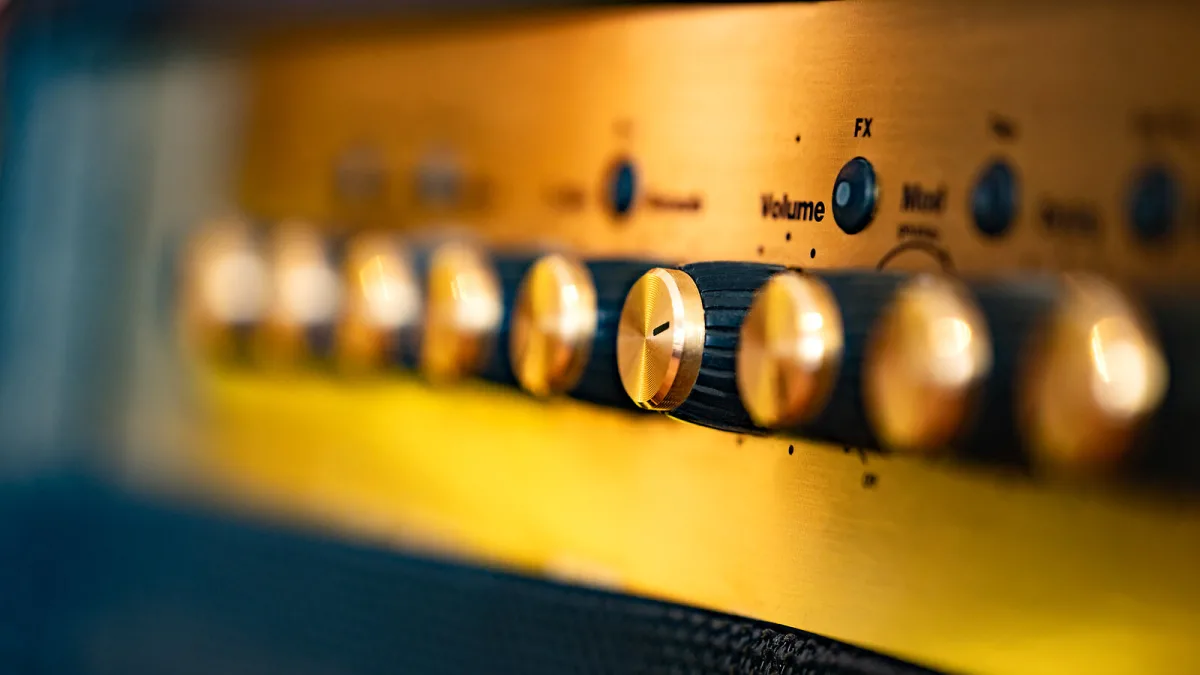
The question of whether an amplifier is "worth it" always depends on who is asking. For a player moving from a basic five-watt practice amp into their first proper combo, the Marshall MG 30 FX represents genuine value: a recognisable brand, a complete feature set and a level of reliability that comes from decades of manufacturing. For a player already running a high-end boutique valve rig, it occupies a different role — backup amp, home practice solution, or a amp for situations where you would not risk taking the expensive gear. Understanding which position you are in determines how the value stacks up.
What You Get at This Price Point
The Marshall MG 30 FX delivers a lot for the money: two channels, a full built-in effects suite (Chorus, Phaser, Flanger, Delay and Reverb), an emulated line out for recording, an MP3 input and a footswitch socket. Compare this to valve amps at the same or lower price, which often have a single channel, no effects, and a much smaller margin for error before the tone degrades. Compare it to similarly priced solid-state combos without the Marshall badge: the effects section alone would cost the equivalent of a compact multi-effect unit if bought separately.
The Technical Picture
Thirty watts of solid-state power through a ten-inch speaker is a known quantity. Solid-state wattage and valve wattage are not directly comparable — thirty solid-state watts is louder and cleaner at high volume than thirty valve watts, because solid-state amplifiers clip very differently. The practical implication is that the MG 30 FX stays clean at high volumes more readily than a valve amp of similar rating. The Contour control on the OD channel is the most technically interesting feature for players exploring tone shaping: it adjusts the midrange peak in the overdrive circuit, which changes the character from a honky mid-forward sound to a scooped American-style response without touching the standard EQ controls. This single knob has a significant effect on how the amp sits in a mix.
Effects Quality in Context
The digital effects in the MG 30 FX are processed in the signal chain after the preamp stage. This placement matters: effects added post-preamp behave differently from effects placed in an external loop before the power stage. The amp's effects section does not have a dedicated effects loop for external pedals, which means external pedals run into the front of the amp alongside the preamp gain. For effects like overdrive and wah, this is correct. For time-based effects like delay and reverb, some players prefer a loop-based placement to avoid double-stacking with the amp's own reverb. For most home and rehearsal use, this distinction rarely matters in practice.
The Competition at This Bracket
At the same price range, the Boss Katana 50 MkII offers a deeper modelling experience and more tonal variety through its effects editing. The Fender Frontman 65R gives a cleaner Fender-voiced clean tone for players in that tradition. The Blackstar ID:Core range offers stereo effects in a compact unit. None of them give you straightforward Marshall OD character out of the box in the same way. If that character — the particular voice of Marshall's solid-state overdrive circuitry — is what you are after, no competitor replicates it exactly.
Is It Worth the Money?
For the use case it is designed for — home practice, rehearsal and direct recording — it is excellent value. The build is solid, the feature set is complete, and the tones are genuinely usable without additional investment. The one area where it does not excel is the interactive, touch-sensitive overdrive character of a valve amplifier, which is a characteristic of the technology rather than a flaw in the design. Within what solid-state technology does, the MG 30 FX does it well.
The full context for how this amp fits into Marshall's range and how to use it across different styles is in the complete guide. For guidance on avoiding common setup errors, the mistakes guide is worth reading alongside this one.






Comments