


Marshall Mg 30 Fx article
A Guide to Marshall Mg 30 Fx
The Marshall MG 30 FX is a thirty-watt solid-state combo with built-in chorus, phaser, flanger, delay and reverb — a complete, dependable amplifier that gets out of the way and lets you play.

There is something quietly reassuring about a Marshall sitting in the corner of a room. It signals a certain seriousness of intent — the brand has been building guitar amplifiers in Britain since the early 1960s, and the name carries history with it. The Marshall MG 30 FX is not a valve amp and it does not pretend to be. What it is, is a thirty-watt solid-state combo with a full set of digital effects built in, aimed at players who want a reliable, practical practice and rehearsal amplifier without having to manage a pedalboard or a fragile set of tubes.
What the MG 30 FX Is
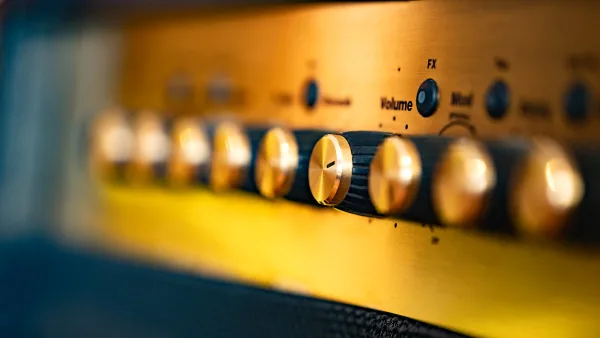
At its core, the Marshall MG 30 FX is a two-channel solid-state combo amplifier delivering thirty watts through a ten-inch speaker. It sits in Marshall's MG Gold series, which was designed to give players Marshall tone and build quality at a price that does not require selling anything. The two channels — Clean and OD — each have their own EQ and volume controls, and the OD channel adds a Contour control that lets you sculpt the midrange character from scooped to thick.
The effects section is where the amp earns the "FX" in its name. A built-in digital effects suite gives you Chorus, Phaser, Flanger and Delay to choose from — one at a time — plus a separate Reverb control that runs independently of the main effects selector. This is a sensible layout: reverb is something you nearly always want a touch of, and keeping it separate means you can use it alongside whichever modulation or delay effect you have selected.
Who It Is For
The practical sweet spot for the MG 30 FX is the bedroom or small home studio player who wants more than the bare minimum. Thirty watts is more than enough for home practice — if anything it is generous — and the emulated line out allows silent recording directly into a laptop or interface with a degree of speaker simulation that makes the recorded result usable without further processing. The MP3 input (a 3.5mm auxiliary jack) means you can play along to backing tracks or recordings through the amp's speaker, which is one of those features that sounds simple but gets used constantly.
It is also a serviceable rehearsal and small-venue amplifier. In a low to mid-volume rock or blues rehearsal context, thirty watts through ten inches is enough to be heard alongside a drummer playing at moderate levels, and the channel-switching footswitch socket means you can move between Clean and OD from the floor without reaching for the amp.
The Tone
Marshall's solid-state amplifiers have always divided opinion in a way that the brand's valve amps do not. Solid-state designs produce a different kind of overdrive and a different kind of dynamic response than an output-stage valve amplifier, and experienced players who have grown up with valve sound will notice the difference. Within those constraints, the MG 30 FX is a well-voiced solid-state amp. The Clean channel is clear and takes pedals well. The OD channel has enough range to cover classic rock crunch and, with the gain pushed, heavier territory. The Contour control is genuinely useful for dialling in a sound that sits in a mix rather than fighting it.
The built-in effects — while not at the level of a dedicated effects unit — are practical and usable. The chorus is warm and doesn't wash out the core tone; the delay has enough control to get a clean repeating echo; the reverb ranges from a small-room presence to something bigger and more atmospheric. For a player who does not want a pedalboard or who is putting together a first live rig, this is a complete picture rather than a starting point.
In Practice
The MG 30 FX has accumulated a long track record among students, gigging semi-pros and home players. Its main strengths are reliability, versatility and ease of use — it is the kind of amplifier that you plug in, dial in a tone and play, without the amp itself becoming the project. The ten-inch speaker handles the low end respectably for its size, and the overall volume headroom means the Clean channel stays clean when you need it to.
The main limitation is the one shared with all solid-state amps at this level: the overdrive does not have the touch-sensitive, dynamic quality of a valve amp under load. Players who want to use guitar volume to clean up an overdriven tone will find the response a little less interactive than they might expect from a tube design. That is a genuine characteristic of solid-state overdrive, not a flaw in the MG's execution.
Where It Fits in the Marshall Range
The MG series sits below Marshall's DSL and Origin valve amplifiers in the product range and is priced accordingly. Within the solid-state category, it competes with similarly priced practice and rehearsal combos from Fender, Boss and Blackstar, each of which approaches the format slightly differently in terms of voicing and features. If you are deciding whether this is the right choice, the buyer's guide covers the comparisons in detail. If you are new to using it, the beginner's guide walks through setup and first settings.
The case for the MG 30 FX is not one of extraordinary tone or boutique character — it is a case for dependability, completeness and the value of not having to think about the amplifier while you get on with playing. For a wide range of players in a wide range of situations, that is exactly what they need.





Comments