


Keeley roundup
Keeley: A Complete Buyer's Guide
The honest, no-hype version of what to check before you buy — from power requirements to which effect actually solves your problem.
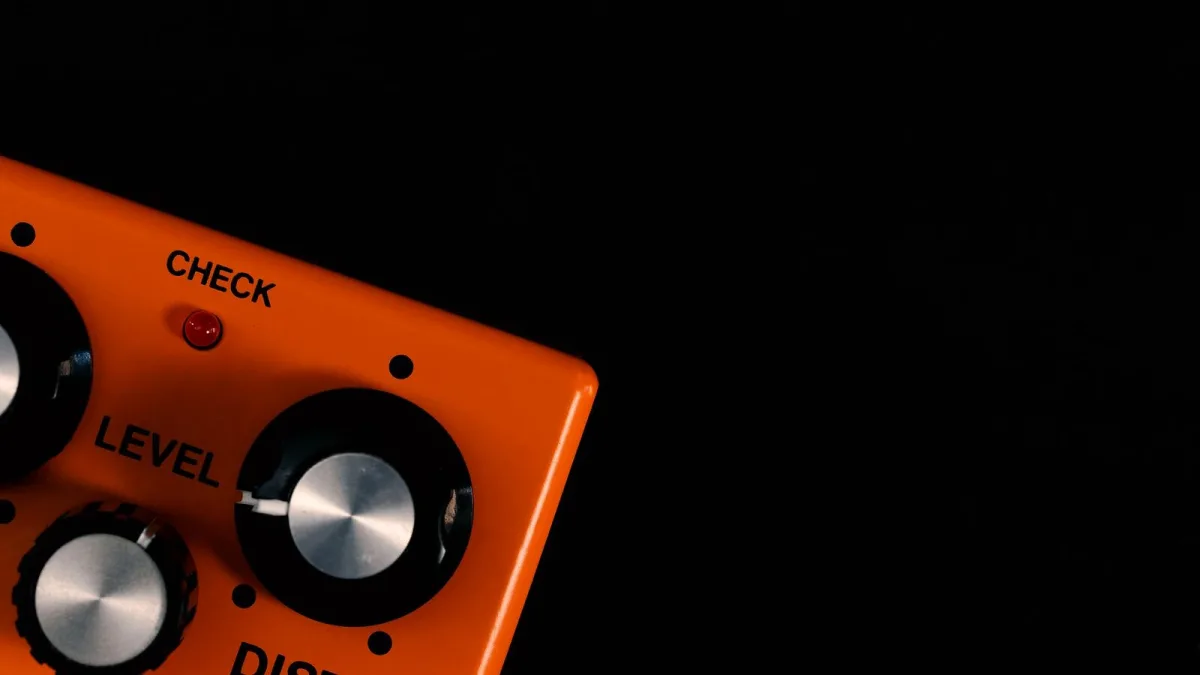
Right, let's cut through the marketing and talk about what actually matters when you're buying one of these pedals. I've sold enough gear over the counter to know most buyers get one or two things wrong every time — wrong effect type, wrong assumptions about power, wrong expectations about what a control actually does. Here's the honest version.
Step One: Know Which Problem You're Actually Solving
This sounds obvious, but it's where most bad Keeley pedal purchases start. Don't buy on brand name alone — buy the specific effect type that fixes something you're genuinely struggling with:
- Inconsistent picking dynamics or thin clean tone? Look at the compression range, particularly the Compressor Plus.
- Need more gain options without three separate pedals? The 4-in-1 Series packs multiple drive voices into one enclosure.
- Want ambient textures for solo or atmospheric playing? The Halo Core delay is built for exactly that, with true-stereo output and an Infinite Hold function.
- Curious about synth territory? The Synth-1 is a genuinely different tool, not a gimmick, but it comes with a real learning curve around note tracking.
What to Check Before You Pay for a Keeley
| Check | Why It Matters |
|---|---|
| Power requirements | Some models officially support 9–18V for extra headroom; others don't. Never assume — check the specific pedal. |
| Bypass type | True bypass keeps the path fully direct when off; buffered bypass helps on long cable runs and busy boards. Several Keeley pedals let you choose. |
| Mono or stereo I/O | The Keeley Halo Core and DDR support true-stereo operation via TRS connections — only useful if your amp setup can actually take advantage of it. |
| Battery compatibility | Not every pedal accepts a 9V battery as well as a DC supply — confirm before you rely on one for a gig. |
| Multi-voice switches | Pedals with mini-switches (like the 4-in-1 Series) effectively give you several pedals in one, which changes the value calculation considerably. |
New Versus Used Keeley Pedals
Boutique pedals like these hold their value reasonably well on the used market, which cuts both ways: you won't find dramatic bargains, but you also won't lose much if a pedal turns out not to suit your rig and you decide to sell it on. Buying used is a genuinely sensible way to try a specific model without committing to full price, provided you check the seller's return policy and test the unit properly on arrival.
Don't Judge a Keeley Control on the First Setting
Blend controls, mini-switches and Tone knobs on this range tend to reward some actual time spent turning them. A compressor's Blend control set too low might feel underwhelming; pushed further, it can transform the sound entirely. Before deciding a pedal isn't for you, spend a proper session actually exploring the control range rather than judging from the factory-flat setting.
Buying a Keeley for a Specific Genre or Style
If you're chasing a particular sound, work backwards from genre to effect type rather than model name. Funk and pop players tend to lean hardest on the Keeley compression range for that tight, punchy clean tone. Blues and rock players get the most from the drive range's dynamic responsiveness. Ambient and shoegaze players should look straight at the Halo Core's stereo and Infinite Hold features. If you want a fuller breakdown of the whole catalogue by effect family first, our guide to how everything fits together is worth reading before you commit to a specific model.
If You're Buying Your First One
New to the brand entirely and finding this a bit much to take in? Our beginner's guide strips this right back to a sensible first purchase, and our round-up of the best options for the money gives specific recommendations by use case rather than a generic checklist.
The Mistakes Worth Avoiding
Once you've narrowed down what you want, it's worth a quick read through our common mistakes people make before you actually pull the trigger — most of them are entirely avoidable with five minutes of checking beforehand.
The Bottom Line on Buying a Keeley
Buy the effect type that solves your actual problem, confirm the power and bypass details for that specific model, and give every control a proper session before judging it. Do that and you'll end up with a pedal you actually use, rather than one gathering dust after the novelty wears off.





Comments