


Keeley article
Common Keeley Mistakes to Avoid
The avoidable slip-ups, from feeding a pedal the wrong voltage to judging a Blend control after thirty seconds.
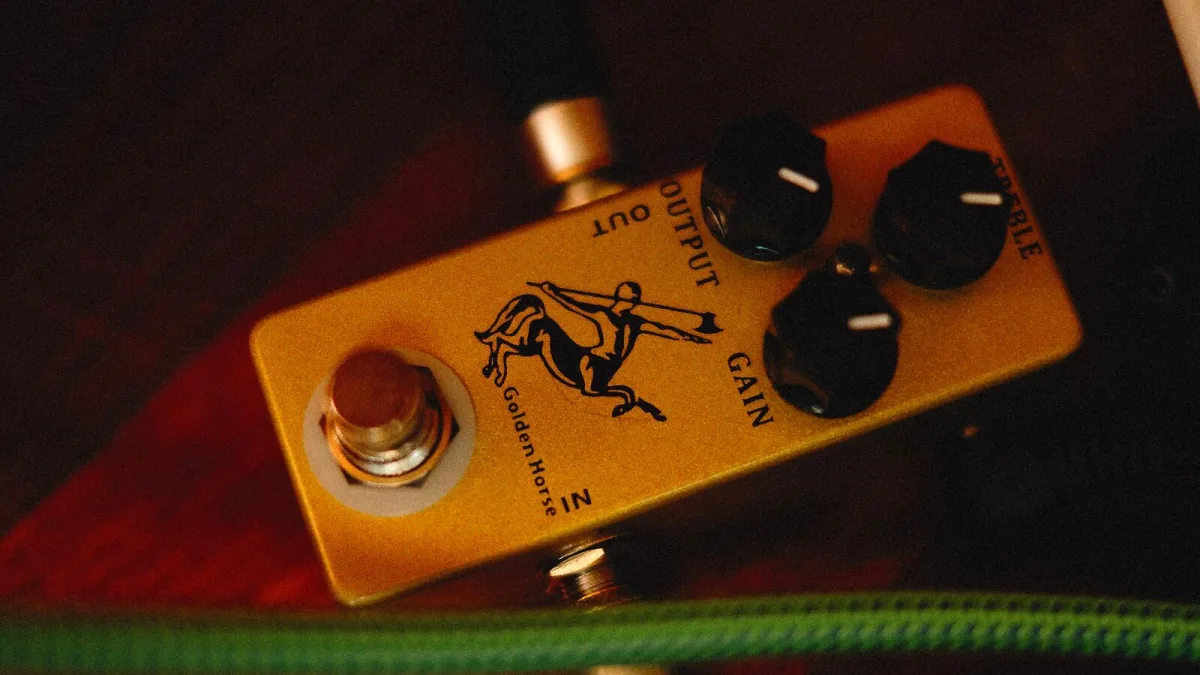
I've had enough conversations over a shop counter to spot the same handful of Keeley mistakes coming round again and again. None of these are complicated to fix, but they'll cost you tone, money or a working pedal if you let them slide. Let's go through them properly.
Assuming Every Model Runs on 18 Volts
Some Keeley pedals officially support 9–18V operation, with the higher voltage giving extra headroom and output. That's a genuine feature — on the specific models that support it. Feeding an unsupported pedal the wrong voltage isn't a minor slip, it can damage the circuit outright. Always check the individual pedal's power requirements before assuming anything carries over from another model in the range.
Ignoring Bypass Type Until It's Already a Problem
True bypass and buffered bypass do different jobs on a pedalboard. True bypass keeps things fully direct when a pedal's off, which is great for a small, simple board. On a bigger board with a long cable run, that same true bypass pedal can actually contribute to a duller, weaker signal by the time it reaches the amp. Work out which situation you're actually in before assuming true bypass is automatically the "better" option — it isn't, universally.
Judging a Keeley Blend Control Too Quickly
The Keeley Compressor Plus's Blend control rewards patience. Set low, it can feel like barely anything's happening. Push it further and the character of the compression genuinely changes. Plenty of players write off a compressor as "too subtle" after thirty seconds with the Blend knob barely turned, when the actual sound they wanted was two clicks further round.
Buying the Wrong Effect Type for the Problem
This is the classic one: buying a drive pedal because a mix sounds thin, when what's actually missing is compression and sustain. Or buying a delay to "fix" a flat-sounding clean tone, when a decent compressor would solve it properly. Work out what's actually wrong with your sound before reaching for a specific effect category — our guide to how the range fits together is a good place to work that out properly.
Assuming the Keeley Synth-1 Tracking "Just Works"
The Keeley Synth-1 is a genuinely capable pedal, but note tracking on any guitar synth is a real technical challenge, not a solved problem. Sloppy playing, heavy chords, and effects stacked in front of it will all make tracking worse. Clean, deliberate single-note playing gets dramatically better results than expecting it to behave like a polyphonic keyboard from day one.
Skipping the Mono Check on the Keeley Halo Core
The Halo Core's true-stereo output sounds fantastic in a stereo rig, but if you're recording or performing somewhere the signal might get summed to mono, it's worth checking how it holds up. A wide, spacious stereo delay can behave differently once it's collapsed down to one channel — better to know that in soundcheck than find out during the gig.
Forgetting Signal Chain Order Actually Matters
A sensible starting order is compression, then drive, then modulation, then delay, then reverb — but plenty of players plug things in randomly and wonder why a fuzz sounds thin after a compressor, or why reverb before a drive pedal turns to mud. It's not a strict rulebook, but understanding why the conventional order exists helps you make an informed decision when you do break it.
Not Keeping Track of the Keeley Pedals You Actually Own
Boutique pedals like these aren't cheap, and it's easy to lose track of manuals, original packaging or proof of purchase over the years, especially if you buy or sell gear regularly. Keep a note of what you own, when you bought it, and where — it makes insurance claims, warranty questions and resale conversations considerably less stressful.
Buying Before Reading Up Properly
A fair few of the mistakes above come down to buying on impulse rather than working out what you actually need first. If you're at that stage, our complete buyer's guide covers the practical checklist properly, and if you're completely new to the brand, our beginner's guide is a gentler starting point. For specific model recommendations, our pick of the best Keeleys for the money is worth a read too.
The Bottom Line on Keeley Mistakes
Every mistake on this list comes down to the same root cause: moving faster than the pedal deserves. Check the voltage, understand the bypass type, give controls proper time, and match the effect to the actual problem. Do that and you'll get considerably more out of the range than most players do.





Comments