


Tenor Ukulele article
Tenor Ukulele Explained: Features, Types and Tips
The tenor ukulele offers more room to play, richer tone and greater volume than smaller sizes — here is what you need to know before picking one up.
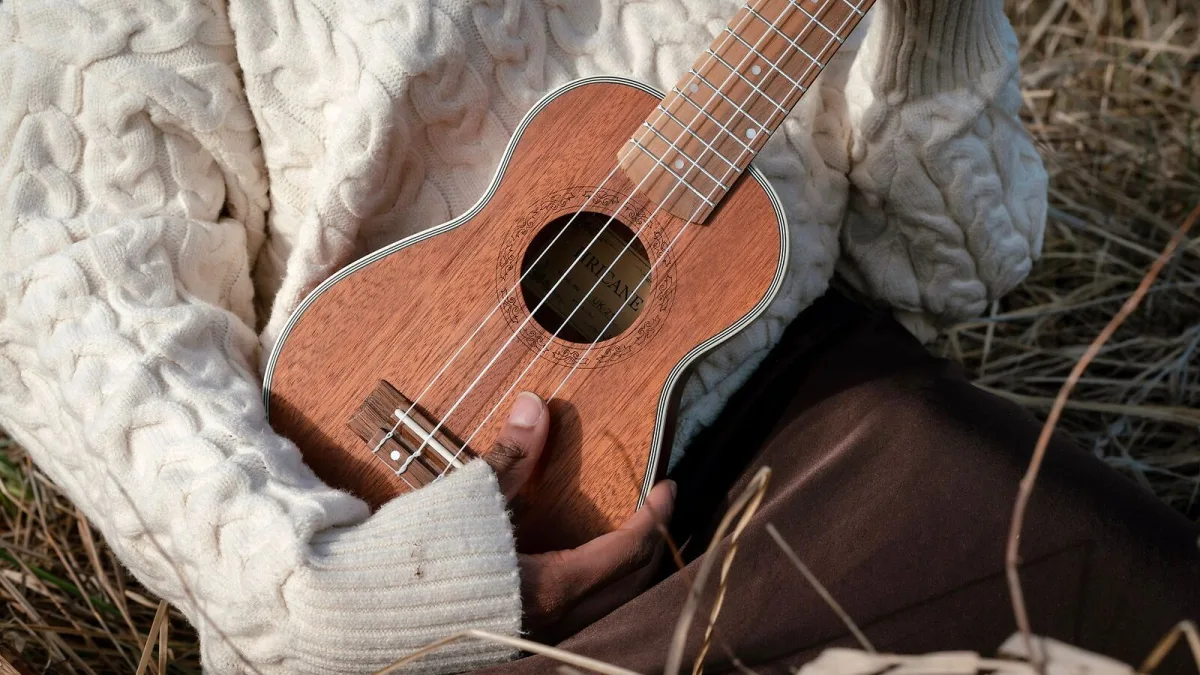
The ukulele comes in four standard sizes, and of those four, the tenor ukulele has quietly become the instrument of choice for solo performers, fingerstyle players and anyone who wants a little more room to breathe than the smaller soprano and concert sizes allow. It is still unmistakably a ukulele — same tuning, same character, same four strings — but with dimensions that open up new possibilities for technique, tone and expression.
Size and Dimensions
A tenor ukulele is the largest of the four standard ukulele sizes, with a total body length of approximately 26 inches and a scale length of around 17 inches. It typically has between 17 and 19 frets, though this varies by model.
To put that in context, here is how the sizes compare:
| Size | Overall length (approx.) | Scale length (approx.) |
|---|---|---|
| Soprano | 21 inches | 13 inches |
| Concert | 23 inches | 15 inches |
| Tenor | 26 inches | 17 inches |
| Baritone | 30 inches | 19 inches |
The longer scale length changes several things. Frets are spaced wider, which benefits players with larger hands and makes single-note lines considerably more comfortable. String tension over a longer scale — with strings tuned to the same pitches — also tends to feel slightly firmer, which suits fingerstyle technique. The larger body contributes more volume, a stronger low-mid response and generally more sustain than the compact soprano.
Standard Tuning: G–C–E–A
The tenor ukulele uses the same G–C–E–A tuning as the soprano and concert. What changes is whether the G string is tuned high or low:
High-G Reentrant Tuning
The traditional arrangement: the G string is pitched higher than the C below it, so the strings do not descend continuously in pitch from one end to the other. This is called reentrant tuning. It produces the bright, chiming quality associated with classic ukulele playing — the “island sound” beloved of strummers. Most ukuleles are shipped in high-G tuning.
Low-G Linear Tuning
Replacing the high G with a lower-octave G string creates a linear arrangement where pitches descend from the lowest string to the highest. Low-G tuning brings the tenor closer to the range of a classical guitar and is particularly well suited to fingerstyle arrangements, chord-melody playing, solo performance and any context where bass movement matters. Converting to low-G may require a slightly wider nut slot and, ideally, a professional setup check to ensure correct intonation.
What Makes the Tenor Different from Smaller Sizes
Choosing a tenor ukulele over a concert or soprano is not about one being “better” — it is about fit for purpose. The tenor tends to suit:
- Players who find the soprano frets cramped.
- Those who want more projection for solo or amplified performance.
- Fingerstyle players who benefit from wider fret spacing and low-G tuning.
- Musicians with a guitar background who find the larger format more ergonomically familiar.
- Players who want richer low-end response and more sustain.
A soprano or concert remains the better choice for pure portability, an authentically bright vintage tone, or a younger player who finds the tenor unwieldy.
Construction: Wood, Laminate and Beyond
The tenor ukulele is built from a range of materials. The choice affects tone, durability and price.
Laminate Wood
Layered wood construction is resilient, less sensitive to humidity changes and typically more affordable. Laminate tenors can sound excellent and are practical for travel and varied climates. They may lack the tonal complexity of solid wood, particularly at low-end prices.
Solid Wood
Solid-top or all-solid construction allows greater resonance and harmonic complexity. Koa, mahogany, spruce and acacia are common choices, each emphasising different tonal qualities. Solid wood requires more careful humidity management and safe storage.
Hawaiian-Made Instruments
Brands including Kamaka, Kanile'a and KoAloha build premium instruments in Hawai'i, often in solid koa. These represent the highest tier of the category in craftsmanship and cultural heritage. They come at a substantial premium, which reflects both material and labour costs.
Alternative Materials
Carbon fibre and composite materials offer strong resistance to humidity and physical knocks, making them practical for touring and outdoor use. They represent an interesting trade-off: durability and climate resistance in exchange for a different feel compared with traditional wood construction.
Electronics
Many tenor models are available in acoustic-electric versions with undersaddle piezo pickups, onboard preamps and sometimes built-in tuners. These are particularly useful for stage performance or regular amplified use. A pickup does not significantly affect acoustic tone but adds cost and the occasional battery replacement.
Tips for Playing and Upkeep
- Tune carefully and often — ukulele strings, especially new ones, stretch considerably in the first few days of playing.
- If you want to try low-G tuning, do not simply put a wound guitar string on — use a proper low-G ukulele string. The tension and diameter are calibrated for the instrument.
- Store the instrument away from direct heat and humidity extremes. A fabric bag offers some protection; a hard case is better for solid-wood instruments.
- If the fretted notes sound sharp or flat compared to open strings, the instrument may need professional intonation work. This is especially common on budget instruments or after a string change.
- Use a clip-on chromatic tuner or a reliable tuning app rather than guessing by ear, especially when learning.
The Bottom Line
The tenor ukulele has grown in popularity because it occupies a genuinely useful middle ground: large enough to accommodate more complex playing and richer tone, small enough to remain recognisably a ukulele. Whether you are drawn to fingerstyle arrangements, solo performance or simply want more physical room to play in, the tenor repays the extra size with a great deal of musical flexibility.
Thinking of buying one? Our tenor ukulele buyer’s guide covers what to look for before you spend. Brand new to the instrument? Our beginner’s guide will get you started gently. And our common mistakes guide is well worth a read before you dive in.






Comments