


Tenor Ukulele roundup
Tenor Ukulele: A Complete Buyer's Guide
Choosing the right tenor ukulele means understanding what actually matters — here is everything worth knowing before you spend.
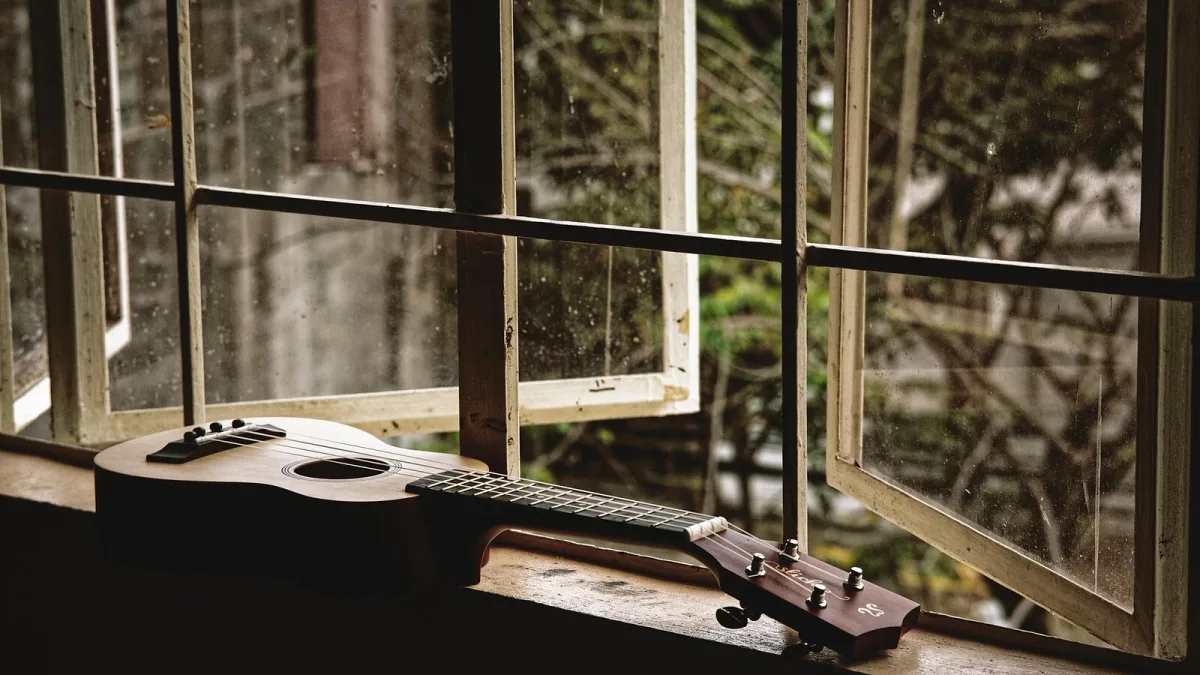
There is a particular pleasure in choosing a new instrument carefully, without rushing. A tenor ukulele rewards that patience. It is a purchase that can last decades, and the differences between a well-chosen instrument and a hastily bought one are not subtle — you feel them every time you sit down to play. This guide covers everything worth knowing before you part with your money.
Is a Tenor Right for You?
Before settling on a tenor, it is worth being sure this is the size you actually want. Tenor ukuleles suit players who want more fret spacing, a fuller sound, better projection and a scale length that makes fingerstyle or single-note playing more comfortable. If you are coming from guitar, the broader neck will feel more familiar. If portability is your priority, a concert might be a better fit. If you are entirely new to ukulele and not sure what size suits you, try both if you can — sitting with each for a few minutes will tell you more than any specification sheet.
The baritone, the size above tenor, uses different tuning (D–G–B–E rather than G–C–E–A), which means chord shapes and repertoire do not transfer directly from tenor. Unless you specifically want that guitar-like tuning, the tenor is the better choice for anyone who wants conventional ukulele chord relationships with extra playing room.
Setting a Realistic Budget
A tenor ukulele is available at almost every price point, from under £100 to several thousand pounds for a handmade Hawaiian instrument. A rough guide:
| Budget range | What to expect |
|---|---|
| Under £100 | Laminate construction, entry-level tuners, basic setup. Suitable for curious beginners; setup quality varies. |
| £100–£300 | Better laminate or laminate-top with solid back/sides, improved tuners, more consistent factory setup. Good value territory. |
| £300–£700 | Solid-top or all-solid instruments from established manufacturers. Noticeably more resonant; better long-term investment. |
| £700–£2,000+ | All-solid from premium brands; some Hawaiian-made instruments begin here. |
| £2,000+ | Hawaiian-made instruments from Kamaka, Kanile’a, KoAloha. Highest-quality materials and craftsmanship; instruments that hold their value. |
At the lower end, the money is better spent on a well-known brand with a reliable reputation for setup quality than on decorative appointments. An instrument with beautiful inlay but poor intonation is frustrating to play. An instrument with plain cosmetics and accurate frets is genuinely enjoyable.
Construction: What Actually Matters
Laminate instruments are not inherently inferior to solid-wood ones. They are more humidity-resistant, more robust in variable climates and typically more affordable. A good laminate tenor from a reputable builder can sound excellent, hold its setup and last for years without requiring the careful humidity management that solid wood demands. For players who travel frequently or live in environments with significant humidity swings, laminate is the practical choice.
Solid wood — whether a solid top alone or fully solid construction — tends to open up tonally over time as the wood vibrates and settles. The difference in resonance and harmonic complexity is real, though it becomes more apparent above a certain price point. At the very low end, laminate and cheap solid wood can sound similar because both are hampered by poor setup and inexpensive hardware.
For a first tenor ukulele, a solid-top instrument in the £150–£300 range from Kala or Cordoba typically represents better value than a very cheap all-solid instrument, because the setup and hardware are more reliably good.
Checking the Setup
This is the single most important factor after basic construction quality, and it is what most buyers neglect when comparing instruments online. A poorly set-up tenor ukulele will feel hard to play, fret out of tune, buzz or fatigue your fingers. A well-set-up instrument feels effortless even if it is a modest laminate.
If you are buying in a shop, check these things before you buy:
- Action at the first and twelfth frets: the strings should be close to the frets without buzzing when fretted cleanly. If pressing any note requires noticeably more force than others, the nut slots may be too high.
- Intonation: fret the twelfth fret on each string and compare it to the open string an octave lower. They should match. If a string is consistently sharp or flat at the twelfth fret, intonation needs professional attention.
- Fret ends: run your thumb along each side of the neck. Sharp fret ends suggest the neck has dried out or the finishing was done poorly. Playable but worth flagging.
- Tuner quality: the tuning machines should turn smoothly and hold position. Cheap tuners are replaceable, but their poor quality on a budget instrument is worth knowing about.
If you are buying online, read specific reviews that mention playability and setup rather than general impressions. Some budget instruments are shipped with very high action and need professional adjustment before they are enjoyable to play.
Electronics: When Are They Worth It?
Many tenor models are sold as acoustic-electric instruments with undersaddle piezo pickups, onboard preamps and sometimes a built-in tuner. This is worth paying for if you perform regularly or expect to play amplified. It is extra cost you do not need if you are buying purely for home playing or campfire strumming.
The quality of onboard pickups varies considerably. At lower price points, an acoustic-electric tenor may have a pickup that captures sound adequately for small-venue use but lacks the nuance of a separate aftermarket pickup. If electronics are important, spend more to get them right rather than accepting whatever comes fitted to an otherwise mid-range instrument.
New Versus Secondhand
A used premium tenor ukulele can represent exceptional value, particularly instruments from known Japanese or Hawaiian makers that hold their setup and quality well. A used Kamaka or Kanile’a in good condition is still a Kamaka or Kanile’a, and will cost significantly less than new. Check for cracks, especially around the bridge and along the top seams, and check that the neck joint is solid. Minor cosmetic wear is normal; structural damage is not.
Buying a cheap used unknown instrument is riskier than buying a cheap new one, because you cannot know what happened to it and there is no warranty to fall back on. At the budget end, new from a known brand is generally the safer choice.
What Should Come in the Box
Most instruments in the mid-range come with at least a basic gig bag, sometimes a tuner and a spare set of strings. For solid-wood instruments, a hard case is worth budgeting for even if the instrument does not include one. Humidity changes that crack a solid-wood top are permanent damage; a case costs a fraction of the repair bill.
Making a Decision
The best tenor ukulele for you is the one you will actually play, kept in tune, with strings that suit your playing style. At almost any budget there are instruments worth owning — the key is spending money on playability rather than appearance, choosing a brand with a reputation for consistent setup, and not buying a size that does not fit your hands or playing intentions.
For an overview of what a tenor ukulele is and how it compares to other sizes, see our full explainer. New to the instrument? Our beginner’s guide covers tuning, first chords and getting set up. And before you start, our common mistakes guide is worth reading.





Comments