


Melodica article
Melodica for Beginners: A Complete Guide
Your first melodica doesn't need to be intimidating. Here's a calm, step-by-step start for absolute beginners, from your first note onwards.
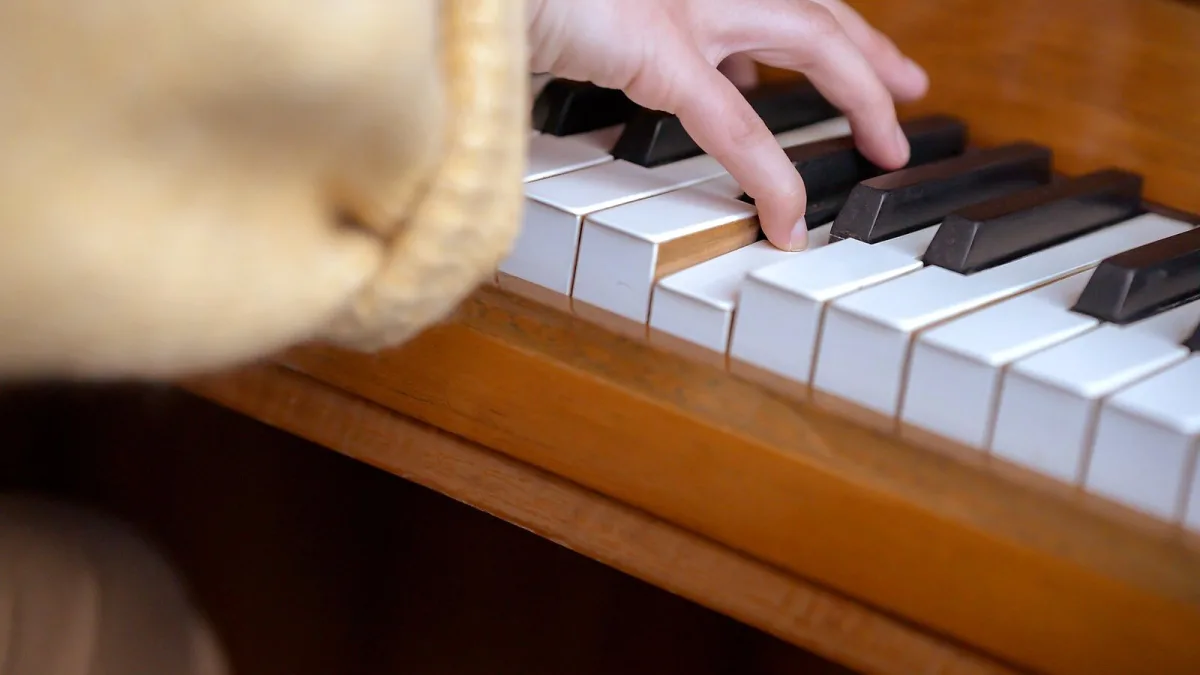
If you've just brought home your first melodica and you're not quite sure where to start, take a breath — quite literally, as it turns out, since that's most of what this instrument asks of you. Nobody expects you to sound polished today. This guide walks through your very first melodica sessions step by step, in plain language, with nothing assumed and nothing skipped.
Give yourself permission to sound a little rough for the first week or two. Every melodica player alive went through this exact stage, and it passes far more quickly than most beginners expect.
You Don't Need to Read Music to Start
A lot of beginners stall before they've even picked the thing up, worried they need to understand music theory first. You don't. A melodica's keyboard is laid out exactly like a piano's, so if you can find one note and remember where the next one sits, you already have everything you need to begin. Reading music is a skill you can build gradually, alongside playing, not a locked door in front of it.
Getting Your First Note: A Simple Five-Step Start
Here's the most reliable way to get a clean first note, in order. Take it slowly — there's no reward for rushing this part.
- Hold the melodica in one hand with the keyboard facing up, or lay it flat on a table and fit the flexible hose to the mouthpiece if you'd rather keep both hands free for the keys.
- Check that the moisture-release valve is closed before you take your first breath, so your air goes where it should.
- Take a relaxed breath and blow at a steady, gentle pressure into the mouthpiece while pressing just one key with your other hand.
- Hold that note for a few seconds and notice how changing your breath pressure changes its volume and tone.
- Release the key cleanly to stop the note, pause, then try the neighbouring key and compare how it feels.
Once that feels natural, you've genuinely learned the entire mechanical basis of the melodica. Everything from here is really just building on this one motion.
One Hand or Two: Which Should You Practise With?
Most beginners start holding the melodica in one hand, mouthpiece straight to the lips, keyboard facing up — it's the quickest way to get a feel for the instrument in a single sitting. Once you're comfortable, try fitting the flexible hose and laying the body flat on a table instead. Playing with both hands free on the keys makes faster passages noticeably easier, and it's worth building the habit early rather than only discovering it much later. Neither approach is more "correct" than the other; they're simply suited to different music and different moments.
Simple First Exercises
With your first note under your fingers, these exercises build control without demanding much range at all:
- Five-note walks. Play five neighbouring keys up and back down, keeping your breath pressure completely even.
- Long tones. Hold a single note for as long as you comfortably can, aiming for a steady volume rather than a loud one.
- Soft starts. Practise beginning a note gently rather than with a sudden puff of air — this is the single biggest difference between a beginner sound and a controlled one.
- Simple, familiar tunes. A nursery rhyme or a tune you already know by ear is far more motivating than an unfamiliar exercise, and it teaches your ear and fingers together.
Common Beginner Mistakes (and Easy Fixes)
Almost everyone makes the same handful of early mistakes on a melodica, so don't take any of them as a sign you're doing badly.
- Blowing too hard. It feels like it should make a bigger sound, but it usually just makes a harsher one. Back off and let a gentle, steady breath do the work.
- Gripping too tightly. A tense hand tires quickly and makes clean key release harder. Let your fingers rest lightly on the keys between notes.
- Forgetting the moisture-release valve. Skip this after a session and you'll open the case next time to a slightly damp, unpleasant surprise.
- Practising in short, frantic bursts. Little and often beats one long, frustrated session every single time, especially in these first few weeks.
Building a Practice Habit That Sticks
Ten focused minutes most days will get you further than an hour once a week. Keep your melodica somewhere you'll actually see it — out on a shelf rather than zipped in its case at the back of a cupboard — because a melodica you have to hunt for is a melodica that quietly stops getting played. Try to end every short session on something that worked, even if it's just one clean five-note walk, so you come back to it wanting more rather than dreading the difficult bit.
When You're Ready for More
Once your first note feels effortless and you're comfortable moving between neighbouring keys, it's worth understanding the bigger picture of what you're playing. Our plain-English explainer covers how the instrument actually works and where its different types come from. And if you're starting to think about a second, more capable melodica, our buyer's guide and our round-up of the best melodicas for the money will help you choose well.




Comments