


Erhu article
Erhu for Beginners: A Complete Guide
Balanced on one knee, two strings, no fingerboard — here's exactly what to do in your first erhu sessions, one clear step at a time.
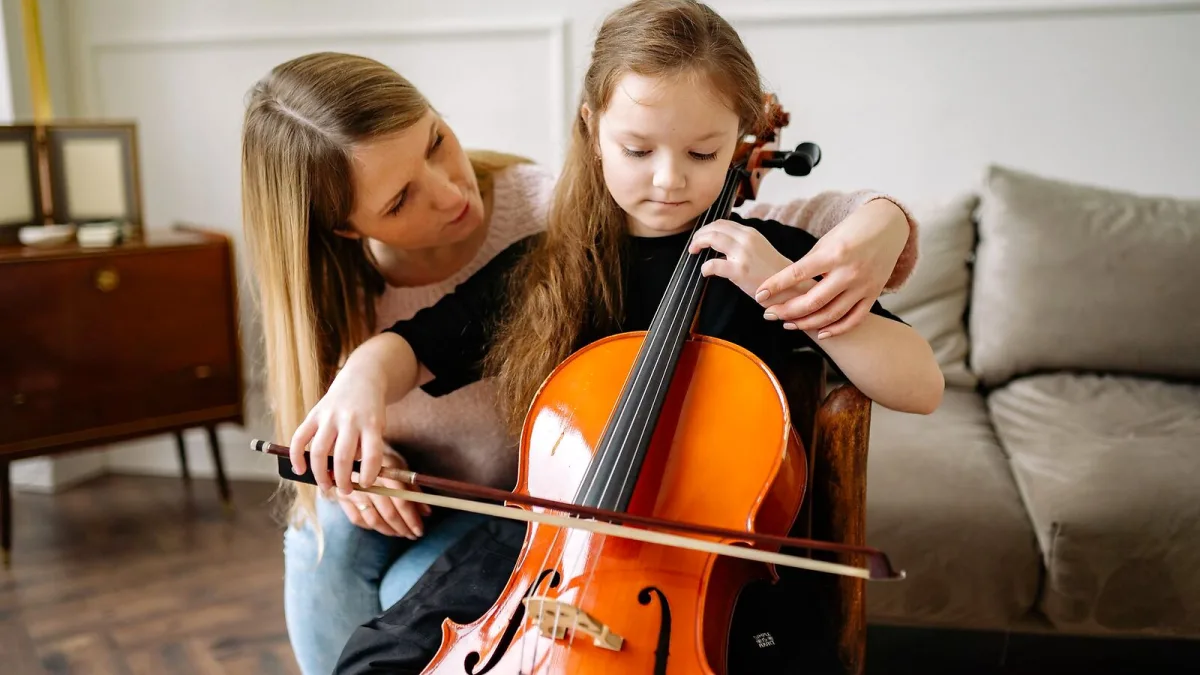
Every erhu player was a beginner once, sitting with an unfamiliar erhu balanced on one knee and no idea where to put their fingers. That's completely normal, and it doesn't last as long as it feels like it will. This guide walks through exactly what to do in your first sessions, in order, so you're not guessing — just a clear, patient starting point for the two-stringed instrument that rewards a good ear more than brute effort.
What You'll Need Before Your First Erhu Session
You don't need much to begin. An erhu itself, obviously, ideally checked over or set up by someone experienced. A small tin of rosin for the bow. A clip-on or app-based tuner, since getting the two strings accurately in tune matters enormously when there's no fingerboard to fall back on. And something to sit on that lets you keep both feet flat on the floor — posture matters from your very first note.
Your First Steps With the Erhu
On the erhu, take these in order, and don't rush past any of them just because they feel basic. Each one makes the next noticeably easier.
- Sit and hold the instrument correctly. Sit upright with both feet flat on the floor, and rest the erhu's resonator on your left thigh so it stands roughly vertical, angled slightly away from your body. Hold the neck loosely with your left hand — a tight grip here is the single most common early habit to avoid.
- Tune the two strings. Using your tuner, bring the inner string to D4 and the outer string to A4, a perfect fifth apart. Check both again after a minute; new strings and pegs settle and drift while you're getting used to the instrument.
- Draw your first open-string bow strokes. With no fingers on the strings yet, practise long, even bow strokes across each string in turn. Notice how pulling the bow inward and pushing it outward naturally selects between the two strings — there's nothing else to do to change strings, which feels strange at first and then becomes second nature.
- Add your first fingered notes. Rest a fingertip lightly against the string rather than pressing it down onto anything solid — there's no fingerboard underneath. Move slowly between two or three simple pitches, checking each one against your tuner until your ear starts to recognise them unaided.
- Cool down and store the instrument properly. Loosen the bow hair before you put the erhu away, and keep it in its case away from radiators, direct sun or sudden changes in humidity, which the membrane is sensitive to.
Building a Practice Habit That Actually Sticks
On the erhu, short, regular sessions beat occasional long ones every time, especially early on. Ten or fifteen focused minutes a day, spent mostly on open strings and slow, deliberate finger placement, will get you further in a month than a single exhausting weekend attempt. Keep your tuner close for the first few weeks — you're training your ear as much as your hands, and it needs honest feedback while it learns.
Common Early Struggles, and Why They're Normal
Your first open strings may sound thin or scratchy; that's usually bow pressure and rosin settling in, not a fault with the instrument. Your fingers will likely feel unsure of exactly where to land without a fingerboard to guide them — that uncertainty fades with repetition far faster than most beginners expect. And switching cleanly between the two strings with the bow takes a little longer to feel automatic than most newcomers assume, largely because nothing else in Western music works quite the same way.
Listen As Much As You Practise
Spend time simply listening to recordings of the erhu being played well, alongside your own practice. Because so much of its character comes from continuous slides and vibrato rather than fixed, fretted pitches, your ear needs a clear model of what "in tune and singing" actually sounds like on this particular instrument. A few minutes of focused listening before you pick up the bow each day quietly speeds up everything else on this list.
Knowing When to Find a Teacher
Self-teaching the erhu's basics from a guide like this one is entirely possible, but even a handful of lessons early on can save weeks of practising a habit you'll later have to unlearn — posture and bow hold especially. If a teacher or a local Chinese cultural society is within reach, even occasional sessions are worth seeking out alongside your daily practice at home.
Once the fundamentals feel steadier, our overview of how the erhu is built and how it works fills in the background that makes the physical habits make more sense. If you're not sure your current instrument is doing you any favours, our buyer's guide and round-up by price tier will help you judge whether it's the erhu or simply the early learning curve. And it's well worth reading the mistakes players commonly make in these first weeks before they become habits.




Comments