


Erhu article
Common Erhu Mistakes to Avoid
Most erhu trouble isn't a lack of talent, it's a handful of small habits working against the instrument. Here are the ones that come up most often.
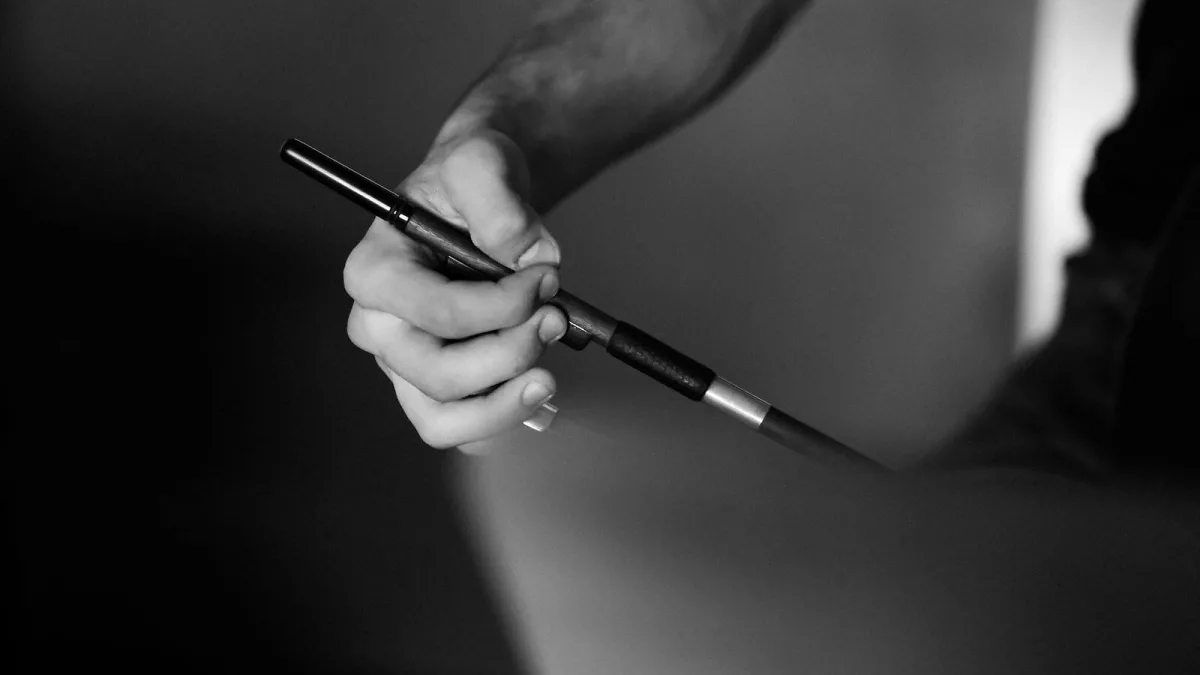
I once watched a friend fight her erhu for the better part of a year before anyone pointed out she was gripping its neck like it might run off. It didn't run off, obviously, but her tone did — thin, strained, never quite settling. That's the thing about this instrument: most of the trouble beginners run into isn't a lack of talent or practice, it's a handful of small habits that quietly work against the erhu rather than with it. Here are the ones I see most often, and what to do instead.
Gripping the Neck Like It Might Run Off
Because the erhu has no fingerboard to press against, a lot of new players tighten their grip on the neck for reassurance, as though holding on harder will make the pitches sit still. It has the opposite effect — a tense hand moves less freely and finds it harder to slide cleanly between notes, which is half the erhu's expressive vocabulary. Let the neck rest in a loose, relaxed hand and trust your ear over your grip.
Choosing an Erhu by Looks Alone
A beautiful resonator with an ornate carving tells you almost nothing about how an erhu will actually sound or respond. I've seen plain, unglamorous instruments outplay handsome ones simply because the membrane was fitted evenly and the bridge properly set. Judge with your ears and, ideally, a teacher's, long before you judge with your eyes.
Skipping Open Strings to Chase a Tune
It's tempting to want to play something recognisable within the first week, and open-string bowing feels like standing still by comparison. But a shaky, uneven bow arm shows up in every fingered note that follows it, so the players who spend real time on nothing but open strings early on tend to overtake, quite quickly, the ones who rushed past that stage.
Fighting the Bow Instead of Guiding It
Because the erhu's bow is threaded between the two strings rather than sitting outside them, plenty of beginners try to muscle it into behaving, pressing harder when a string doesn't speak cleanly. Nearly always the opposite fix works better — less pressure, more consistent speed, and patience while your arm learns the small adjustments that switch strings smoothly. The erhu tends to reward a lighter touch than people expect.
Over-Tightening the Bow Hair
Cranking the bow tension right up doesn't make for a stronger sound; it usually makes the response worse and wears the hair out faster for no real gain. Moderate tension, properly and evenly rosined, does more for tone than brute tightness ever will. Loosen the hair again once you've finished playing — leaving it under tension between sessions shortens its life for nothing.
Forgetting the Membrane Doesn't Like Surprises
Whether an erhu has traditional python skin or a synthetic membrane, its soundboard is sensitive to sudden changes in humidity and temperature. Leaving one by a radiator overnight, or in direct sun on a windowsill, is a quietly common way to warp a membrane that took no effort at all to avoid. A case, and somewhere stable to store it, is cheap insurance against a genuinely expensive mistake.
Reaching for Vibrato Before the Basics Are Solid
On the erhu, vibrato and sliding between notes are what give it its singing, almost speech-like character, and it's understandable that beginners want that sound as soon as possible. But layered onto shaky intonation, it mostly hides the problem rather than solving it. Get comfortable finding pitches cleanly first; the ornamentation lands far better once there's something steady underneath it.
Not Retuning Before Every Session
On any erhu, pegs slip and strings settle, and a couple of days between practices is often enough to pull one noticeably out of true. Some players skip checking the tuning because it was fine yesterday, then spend the whole session fighting pitches that were never actually where they thought. A minute with a tuner at the start of every session is a small habit that saves a much larger amount of frustration later.
The Thread Running Through All of These
Look back over that list and a pattern emerges: nearly every mistake comes from forcing the erhu rather than listening to it. Loosen the grip, slow the bow, trust the ear before the eye, and most of these fade on their own within a few months. If you're only just starting out, our step-by-step beginner's guide is the natural place to build good habits from day one, and our overview of how the instrument works explains why so many of these fixes matter in the first place. If any of this has you wondering whether your current instrument is part of the problem, our buyer's guide and round-up by price tier are worth a look too.






Comments