


Beginner Ukulele article
Beginner Ukulele Explained: Features, Types and Tips
A beginner ukulele is one of the most rewarding first instruments — provided you know what separates a good one from a frustrating one before you buy.
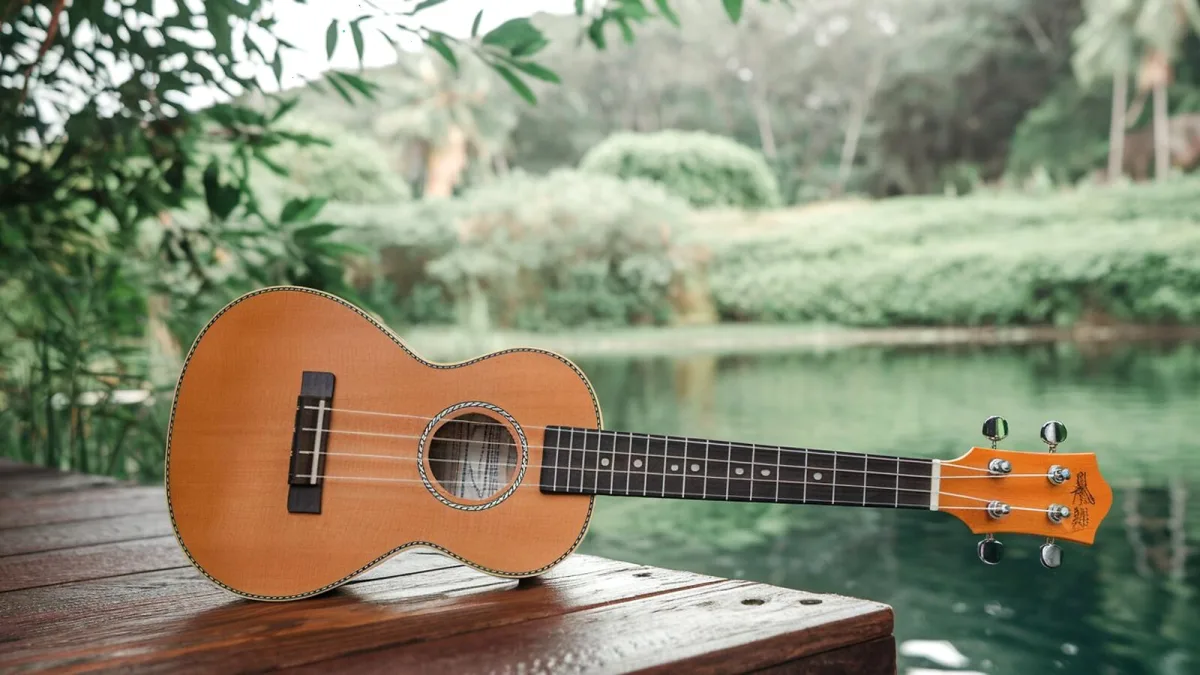
If you've been thinking about picking up an instrument for the first time — or returning to music after years away — a beginner ukulele is one of the most genuinely practical starting points available. It's small, inexpensive relative to most instruments, physically unthreatening, and capable of sounding lovely almost immediately. What makes the difference between a satisfying first experience and a frustrating one is knowing what to look for before you buy.
What Makes a Ukulele Different from a Guitar
The ukulele is a fretted string instrument from Hawaii, closely related to the Portuguese machete brought by immigrants in the 1880s. It has four nylon strings (as opposed to the guitar's six) and is typically tuned G-C-E-A — a re-entrant tuning where the G string is higher in pitch than the C below it, giving the ukulele its characteristic bright, chiming sound.
Chord shapes are simpler than on guitar: most beginner chords require one or two fingers rather than three or four. This makes it possible to play recognisable songs within the first few sessions, which matters enormously for motivation when you're starting out.
The Four Sizes
Ukuleles come in four main sizes, each with a distinct character:
- Soprano — the smallest and most traditionally iconic size, around 53cm overall. Bright, sweet tone. The standard nut width is narrower, which can feel cramped for players with larger hands.
- Concert — slightly longer at around 58cm, with more frets and a warmer sound. Often recommended as the best starting point because it balances portability with comfort.
- Tenor — larger still at around 66cm, with a fuller, richer tone. Used by many professional players. Easier for guitarists to transition to because the string spacing is closer to a classical guitar neck.
- Baritone — the largest at around 76cm, tuned differently (D-G-B-E) and very close in feel and sound to a classical guitar. Not recommended as a starting point if you want the characteristic ukulele sound and tuning.
For most people beginning, a soprano or concert is the right starting point. Soprano is what most people picture when they think of a ukulele; concert offers slightly more room on the fretboard and slightly more volume.
What to Look for in a Beginner Ukulele
The single most important quality factor in any instrument is intonation — whether notes play in tune as you move up the neck. A ukulele with poor intonation will sound wrong no matter how accurately you tune the open strings. This is determined by the quality of the nut and saddle, the accuracy of fret placement, and overall build precision.
Very cheap instruments (below around £30) often have significant intonation problems that can't be corrected. Spending slightly more puts you in a range where reputable brands can offer reliable build quality. Key things to check or prioritise:
- Intonation: Play the 12th fret harmonic and the 12th fret fretted note — they should match in pitch. If buying online, check reviews specifically mentioning intonation.
- String action: The strings should sit close enough to the fretboard that pressing is not uncomfortable, but not so low that they buzz. Most beginners benefit from a proper setup.
- Tuning stability: Friction tuning pegs on soprano ukuleles can slip. Geared tuners (which look like guitar machine heads) are more stable and easier to use for beginners.
- Body material: Laminate wood bodies are common at beginner price points and are perfectly serviceable. Solid wood sounds better but costs more. Laminate is fine to start with.
Strings
Most instruments at the lower price points come fitted with generic nylon strings that are functional but unremarkable. One of the cheapest upgrades you can make is to change the strings to a quality set — Aquila Nylgut strings are widely regarded as an excellent starting point, and they make a noticeable difference to tone and feel. A new set costs around £5–8 and takes fifteen minutes to fit.
Allow time for new strings to stretch and settle after fitting — they'll go out of tune frequently for the first few days of playing, which is normal.
Recommended Brands
In the beginner ukulele price range, Kala and Makala are the most consistently recommended brands in the UK market. Kala's parent company also makes the Makala line at entry-level price points, and both have a reputation for reliable intonation and build quality that more generic brands often lack. Lanikai and Ortega are also worth considering. Avoid instruments from completely unknown brands with no reviewable track record — the variance in quality at very low price points is significant.
What Else You'll Need
Beyond the instrument itself, a few essentials make the learning experience significantly smoother:
- A clip-on chromatic tuner, or a tuning app. Ukulele pegs — especially friction pegs — drift regularly, and playing out of tune is one of the most common causes of early frustration.
- A padded gig bag to protect the instrument in transit.
- A strap if you prefer to play standing (not all ukuleles have strap buttons).
For a step-by-step guide on what to spend and which specific models are worth considering at different budgets, the beginner ukulele buyer's guide has the detail. And when you're ready to start playing, the common beginner ukulele mistakes to avoid will help you sidestep the pitfalls that slow most new players down.





Comments