Skip to content

Xylophone roundup

Xylophone: A Complete Buyer's Guide

From entry-level student models to professional concert instruments — what to look for, what to spend, and how to match the choice to your level and repertoire.
Xylophone: A Complete Buyer's Guide

Buying a xylophone requires clarity about what you are purchasing it for. The range runs from low-cost student models with synthetic bars to professional concert instruments costing thousands. The right choice depends entirely on level and intended use.

Student vs Professional

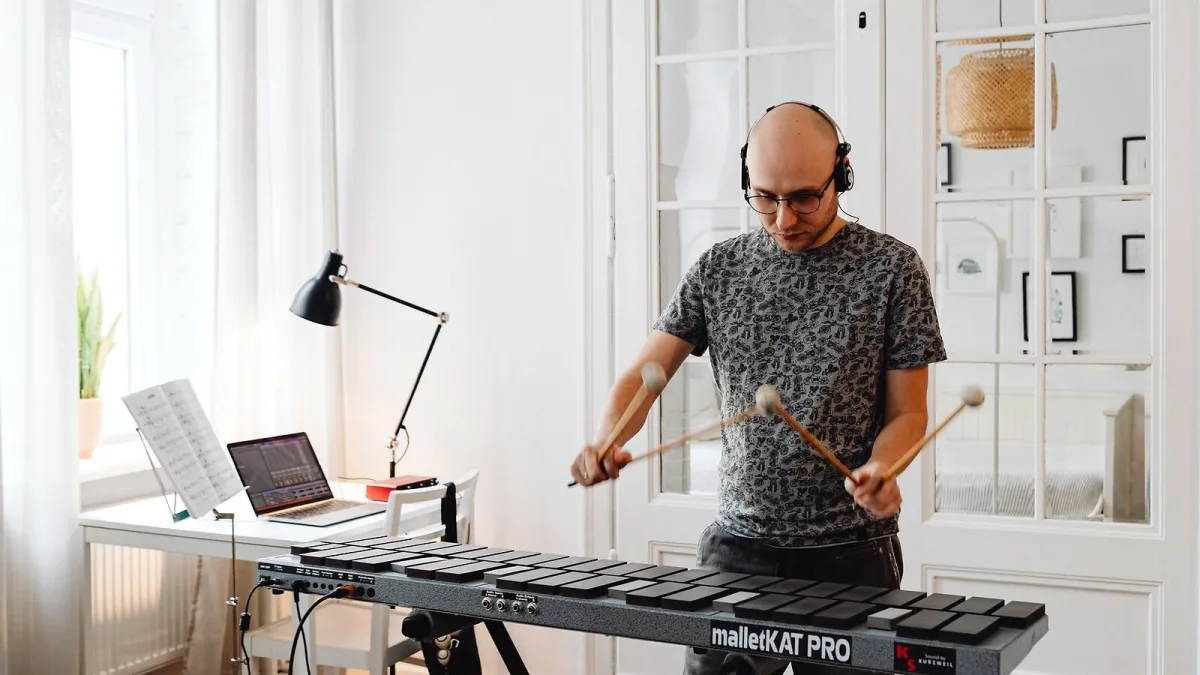
A student xylophone typically has synthetic (kelon or fibreglass) bars, a portable folding frame, and a range of two to two-and-a-half octaves. These are adequate for school work, early learning and transport to lessons. A professional concert xylophone has rosewood or padouk bars, a stable concert frame, and a range of three and a half to four octaves. Between these, there is a mid-range of intermediate instruments suited to music college students and serious amateurs.

Bars: Wood or Synthetic?

Rosewood bars are the traditional choice and produce a bright, clear xylophone tone that carries well in ensemble playing. However, rosewood is sensitive to humidity and requires care in storage and transport. Synthetic bars (kelon, fibreglass) are more durable and stable across temperature and humidity changes. For students and outdoor use, synthetic is the practical choice. For professional orchestral and studio use, a rosewood xylophone remains the standard — the tone quality and resonance is noticeably superior to synthetic alternatives at professional price points.

Range

Entry-level instruments typically cover two to two-and-a-half octaves. An intermediate xylophone usually covers three to three-and-a-half octaves. For orchestral and professional use, four octaves is the standard. Check the range of a prospective instrument against the repertoire you plan to play — some standard works require a four-octave instrument and cannot be played on a smaller range without modification.

Frame and Portability

The xylophone frame should be stable and height-adjustable, which matters for playing at speed. Many student instruments use folding frames that are light and easily transported; these are acceptable but can flex slightly under vigorous playing. Professional frames are heavier and more rigid. For players who transport their xylophone frequently, a folding frame with a padded carry bag or case is the practical solution. For home studio or conservatoire use, weight is less of a concern. For a full range overview and model comparisons, the complete instrument guide covers types and construction in detail.

Frequently Asked Questions

Frequently Asked Questions

What is a reasonable budget for a first instrument?

For a beginner student model with synthetic bars and a portable frame, expect to pay between £200 and £500. Mid-range instruments with better bar quality and a more stable frame sit between £600 and £1,500. Professional concert instruments typically start around £2,000 and can reach £5,000 or more for top-tier rosewood models. Second-hand instruments from reputable percussion suppliers are worth considering at the upper price points.

Can I use it outdoors?

Synthetic bar models are suitable for outdoor use — they are not affected by humidity or direct sunlight in the way that rosewood is. For outdoor events, a folding frame with a weather-resistant finish is recommended. Rosewood instruments should not be left in direct sunlight or exposed to rain, as the wood will warp or crack with repeated moisture exposure.

What brand should I look for?

Adams, Marimba One, Yamaha and Musser are the established professional brands. For student instruments, Yamaha and Adams both produce reliable, well-supported models at the mid-range. Cheaper no-name instruments may look similar but often have bar pitch consistency problems and frames that flex under use. Buying from a specialist percussion retailer gives access to proper after-sales support.

How many octaves do I need?

For general learning and most educational repertoire, two and a half to three octaves is sufficient. For serious study of orchestral and contemporary solo repertoire, four octaves is the standard and is what music colleges and audition panels expect. Buying an instrument with more range than you immediately need is a sound investment if your goal is long-term serious study.

Is the frame included in the price?

Usually, yes — most instruments are sold as a complete package including bars, resonators, and frame. Mallets are typically sold separately. Professional instruments may offer a choice of frame types (orchestral, folding, or custom) at different price points. Check the specification carefully before buying, particularly for instruments at the upper end of the student range.

About Katie Anderson

Katie learned the ropes mixing bands in Southampton's pubs and clubs, a port city used to a steady churn of touring acts. Years behind the desk gave her a practical, no-nonsense understanding of how live sound actually works. She writes about PA, live sound and stage gear.

Comments

Leave a comment

Comments are read before they appear. Links cannot be published.

Your rating (optional)