


Triangle Instrument roundup
Triangle Instrument: A Complete Buyer's Guide
A bent rod of metal, a loop of cord, a beater — simple in theory, tricky to choose well. Here's what genuinely affects the sound before you buy.
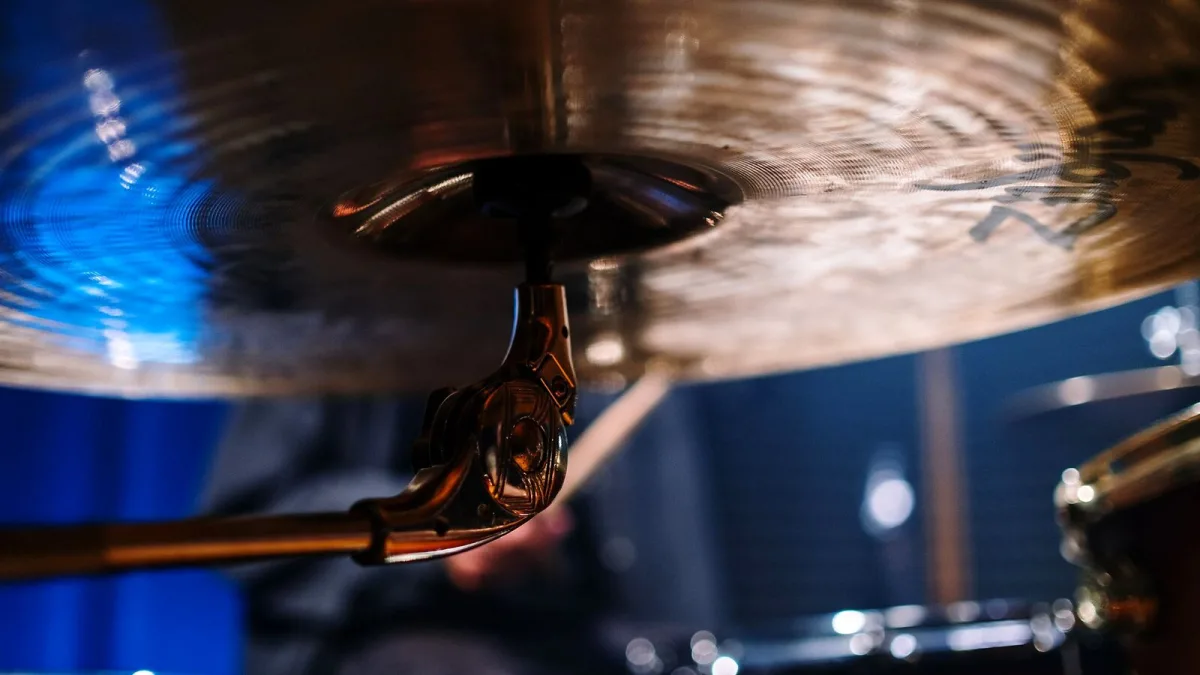
There's something quietly satisfying about a piece of gear this mechanically simple — a bent rod of metal, a loop of cord, a beater — and yet genuinely tricky to get right when you're choosing one. Here's what actually affects the sound, sorted from the things that matter most to the things that barely register.
Metal and Construction: The Biggest Factor in Triangle Tone
The rod's alloy, diameter, heat treatment and cross-section all shape how a triangle responds, sustains and projects, far more than anything printed on the packaging. A thicker rod generally sustains longer and projects harder; a thinner one responds faster and sits brighter. There's no universally "correct" answer here — it depends entirely on what you'll actually be playing.
Pay attention to the open-gap width too. That deliberate break in the loop is what lets the metal ring freely rather than choking itself, and how it's finished affects the instrument's overall character.
Suspension and Loop Quality
It sounds like a minor detail, but a cheap or poorly positioned loop can genuinely dampen how a triangle sounds before you've even struck it. It needs to hang freely from its upper corner, with nothing touching the metal except at that single suspension point. Check that the cord, gut or nylon loop is comfortable to hold and secure enough that it won't slip mid-performance.
Beaters: What's Included, What You Might Want Separately
A hard steel beater gives you a bright, penetrating attack; a softer or wooden one produces something less brilliant and more blended. Some triangles come with just one beater, others with a small set covering different weights and materials. If yours only ships with one, it's worth picking up an extra beater in a different weight fairly early — it opens up far more tonal range than buying a second triangle ever would.
Do You Actually Need a Stand?
Not every triangle needs one. A stand earns its keep when both your hands are needed, when a part calls for two beaters, when you need rapid alternation between sides, or when consistent positioning matters more than portability. If you're mostly holding it by hand for occasional accents, skip it. If you're playing rolls regularly or working within a larger percussion setup, it stops being a luxury.
Matching the Instrument to Your Actual Use
| Where you'll play | What to prioritise |
|---|---|
| Orchestral or concert band | Projection, clean roll response, stand compatibility |
| Classroom or school use | Durability, simple handheld playability, affordability |
| Studio recording | Even overtone spread, minimal harshness under close mic |
| Brazilian or folk styles | Bright, cutting tone suited to continuous rhythmic patterns |
Testing Before You Commit
Don't just judge it on one loud strike. Test the soft end of its dynamic range as well as the loud one — a good instrument should whisper convincingly, not just shout. Then check the damping response by touching it lightly right after a stroke; it should stop cleanly, without a lingering, uncontrolled ring. If it doesn't damp predictably, that's a real limitation, not a quirk you'll get used to.
If any of this terminology — indefinite pitch, idiophone, open-gap — is still new to you, our complete explainer is worth reading alongside this guide.
Second-Hand Triangles: Worth Considering?
Because there's so little that can actually go wrong mechanically with a triangle — no keys, no strings, no electronics — a good second-hand one can be genuinely excellent value. Check for visible corrosion, dents or a bent shape that's drifted from its original angles, since any of these can throw off the response in ways that aren't always obvious just from looking. Give it a proper strike and listen for uneven tone or a ring that dies unnaturally fast before you decide it's a bargain.
Budget Doesn't Have to Mean Compromise
A beginner can absolutely learn on an inexpensive model. The real risk at the cheap end isn't the price — it's a triangle that's thin or poorly finished, giving uneven response, excessive harshness, or sustain that dies too quickly. Spend your money on getting those fundamentals right before you worry about anything else. For specific recommendations by budget and use case, see our pick of the best value options.
The Bottom Line
Buying a good triangle comes down to matching construction and size to your actual musical context, checking suspension and beater options properly, and testing dynamic range and damping before you hand over any money. Get those right and even a modestly priced instrument will serve you properly for years.



Comments