


Triangle Instrument roundup
The Best Triangle Instruments for the Money
There's no single best pick — only the right one for classroom, orchestral, studio or folk use. Here's where your money genuinely goes furthest.
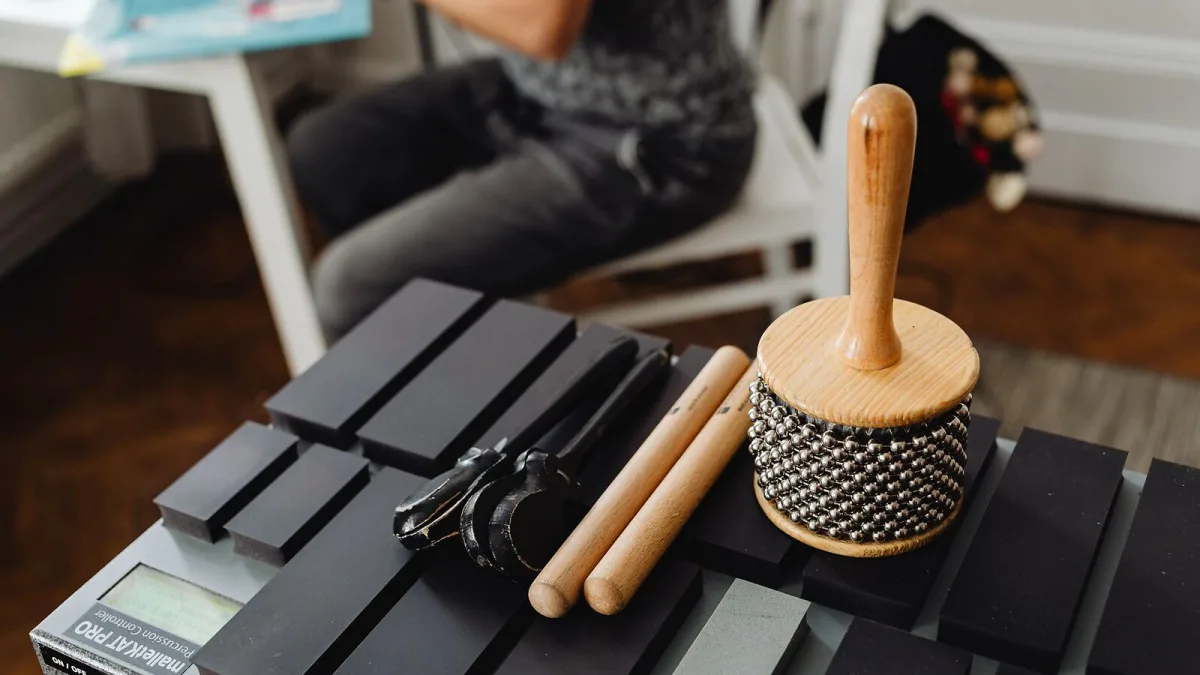
Here's the honest truth about ranking a triangle: there's no single "best" one, because a classroom, an orchestra pit, a home studio and a Brazilian percussion group all want genuinely different things from a small bent rod of metal. So instead of a fake top pick, here's where your money actually goes furthest, sorted by what you're actually doing with it.
Best for Classroom and Absolute Beginners
At this level, prioritise durability and simple, predictable playability over anything fancy. A modest, well-finished triangle that survives being handled by dozens of different students, and that responds consistently no matter who's holding the beater, beats a "premium" option that needs careful handling to sound decent. Save the specialist gear for once someone's shown they'll stick with it.
Best for Orchestral and Concert Band Use
Here you want clean roll response, strong projection through a full ensemble, and genuine stand compatibility if the part calls for it. This is the one place where spending more tends to pay off directly — a professional-grade triangle with a well-finished open gap and consistent alloy will cut through a mix far more reliably than a bargain option asked to do the same job.
Best for Studio and Recording Work
In a studio, an even overtone spread and predictable behaviour under a close microphone matter more than raw volume. A triangle with a slightly more controlled, less aggressively bright character often records better than the loudest, most piercing option on the shelf — you can always push a mic closer, but you can't easily tame a genuinely harsh instrument after the fact.
Best for Brazilian and Folk Styles
These traditions often ask for a continuous rhythmic pattern rather than occasional orchestral punctuation, so a bright, cutting tone that stays clear at speed is the priority. A smaller, lighter triangle that responds quickly tends to suit this role better than a bigger, slower-sustaining orchestral build meant for long, ringing accents.
Best Value Add-On: A Spare Beater and a Basic Stand
If you already own a decent one and are wondering where to spend next, an extra beater in a different weight is genuinely the best-value upgrade going — it changes the character of your existing instrument more than almost any other purchase. A basic stand comes a close second if you're regularly playing rolls or working within a bigger percussion setup.
Where Tiers Actually Compare
| Use case | Priority | Spend more on |
|---|---|---|
| Classroom / beginner | Durability, consistency | Build quality over features |
| Orchestral / concert band | Projection, roll response | Alloy and finish quality |
| Studio recording | Controlled overtones | Consistency, not raw volume |
| Brazilian / folk | Speed and cut | Smaller, lighter builds |
Second-Hand: Often the Smartest Money
Because a triangle has essentially nothing to wear out mechanically, a well-kept second-hand instrument can genuinely outperform a cheap new one at the same price. Check it for corrosion, dents or a shape that's drifted from true, give it a proper strike, and listen for uneven tone before you commit. A tidy used orchestral-grade triangle is often better value than a brand-new entry-level one.
Don't Buy for the Job You Don't Actually Have
The most expensive mistake here isn't overspending — it's buying the orchestral-grade option when you actually needed something durable for a classroom, or the reverse. Match the tier to your real use first, and only then start comparing specific instruments within it. Our complete buyer's guide covers exactly what to check once you've settled on a tier.
The Bottom Line
There's no universal best pick — only the best one for what you're actually going to do with it. Buy for durability at the beginner end, for projection and finish at the orchestral end, for control in the studio, and for speed in folk and Brazilian styles. Get the tier right first, and the specific choice becomes far easier. If you're brand new to this whole area, our beginner's guide is the natural place to start instead.





Comments