


Tom Mount article
Everything You Need to Know About Tom Tom Dashboard Mount
Tom mounts directly affect drum tone and sustain. Discover how isolation technology improves resonance and why professional drummers prioritise quality hardware.

Understanding Tom Mounts
Tom mounts represent the hardware foundation of drum kit assembly, connecting individual tom-toms to the bass drum or cymbal stands that support them. A quality tom mount significantly influences how the instrument responds tonally, sustains vibration freely, and integrates ergonomically into the drummer's playing position. Professional drummers often invest considerable attention to mount selection, recognising that superior hardware directly improves both performance and sound.
Tom Mount Fundamentals
A tom mount holds the tom's bearing edges at precise angles whilst isolating vibration from external supports. This isolation proves critical—if the tom mount transfers energy directly to the bass drum or stand, the instrument loses sustain and develops deadness. Modern tom mount design prioritises isolation through ball-bearing systems, flexible clamps, and geometries that reduce vibration transmission. A good tom mount feels like the instrument simply floats above its support.
Isolation Technology
The most advanced tom mounts employ multi-directional ball or roller bearings that allow the tom to vibrate freely in all directions except the mounting point itself. This isolation significantly improves sustain, clarity, and resonance compared to rigid mounts. Professional-grade tom mounts justify their premium pricing through noticeably superior tone—a difference even untrained ears recognise immediately when comparing isolated versus direct-mounted configurations.
Clamp Design and Security
The clamp securing the tom to the tom mount must grip securely without crushing the drum's lug or compressing it to the point of muting tone. A quality tom mount features graduated clamp tension—sufficient grip for stability without over-tightening. Ball-tightening screws prove superior to standard bolt design, allowing fine adjustment without tools. A tom mount's clamp reliability directly affects performance stability during playing.
Material and Construction Quality
Tom mounts manufactured from aluminium or steel provide adequate durability; chrome plating provides corrosion protection and aesthetic appeal. Higher-end tom mounts employ precision manufacturing and tighter tolerances, ensuring smooth action and reliable performance across decades of use. Drum hardware quality is recognisable through careful examination—solid construction inspires confidence that the mount will perform reliably during critical performances.
Bracket Geometry and Positioning
The angle and positioning of a tom mount's bracket affects both ergonomic reach and tonal isolation. Adjustable brackets allow customisation of tom positioning relative to the bass drum, enabling drummers to match their preferred playing geometry. A well-designed tom mount positions the tom comfortably within reach whilst maintaining optimal isolation for tone.
Single-Headed vs Dual-Headed Tom Mounting
Single tom mounts secure one drum; dual-headed brackets mount two toms on a single stand point. Dual-headed tom mounts offer space-saving advantages in compact kits, though some drummers prefer dedicated single mounts for maximum isolation. Both styles prove equally effective when manufactured to professional standards. The choice depends on kit space, personal preference, and aesthetic considerations.
Compatibility with Bass Drum and Stands
Tom mounts must compatibility with the bass drum's lug configuration or cymbal stands supporting them. Standard tom mounts fit most drum kits manufactured after the 1970s. Vintage or unusual drums may require custom mounting solutions or adaptors. Before purchasing a tom mount, verify compatibility with your existing hardware.
Applications Across Drum Kit Configurations
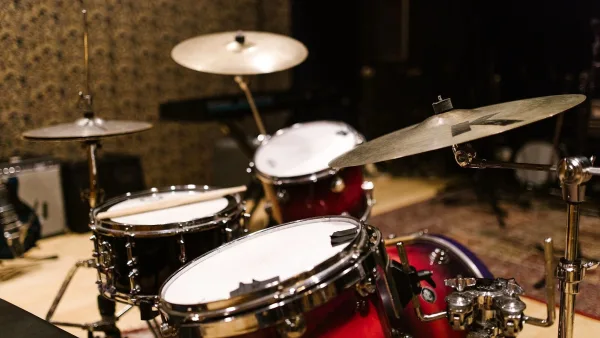
Floor toms traditionally employ single-point mounting directly to the bass drum through lug-mounted tom mounts. Mounted toms benefit from isolation through specialised tom mounts. Smaller compact kits employ creative tom mount configurations to minimise footprint. Larger kit setups utilise multiple dedicated tom mounts for optimal isolation and ease of positioning.
Maintenance and Care
Quality tom mounts require minimal maintenance beyond occasional cleaning and bearing inspection. Chrome plating resists corrosion; internal bearing systems remain sealed against dust contamination. A properly-maintained tom mount remains reliable for decades. Periodic lubrication of bearing surfaces keeps movement smooth.
Selecting Quality Tom Mounts
Invest in drum hardware from established manufacturers known for professional-grade equipment. Peer drummer recommendations prove valuable; ask working percussionists about mount preferences and experiences. Try different configurations where possible—the tonal improvement from superior tom mount design quickly becomes apparent. Budget £50–150 per mount depending on brand and isolation sophistication; quality hardware justifies investment through improved performance longevity.




Comments