


Snare Drum Snares roundup
Snare Drum Snares: A Complete Buyer's Guide
One of the cheapest upgrades in drumming and one of the most noticeable — here's exactly what to check before you buy.
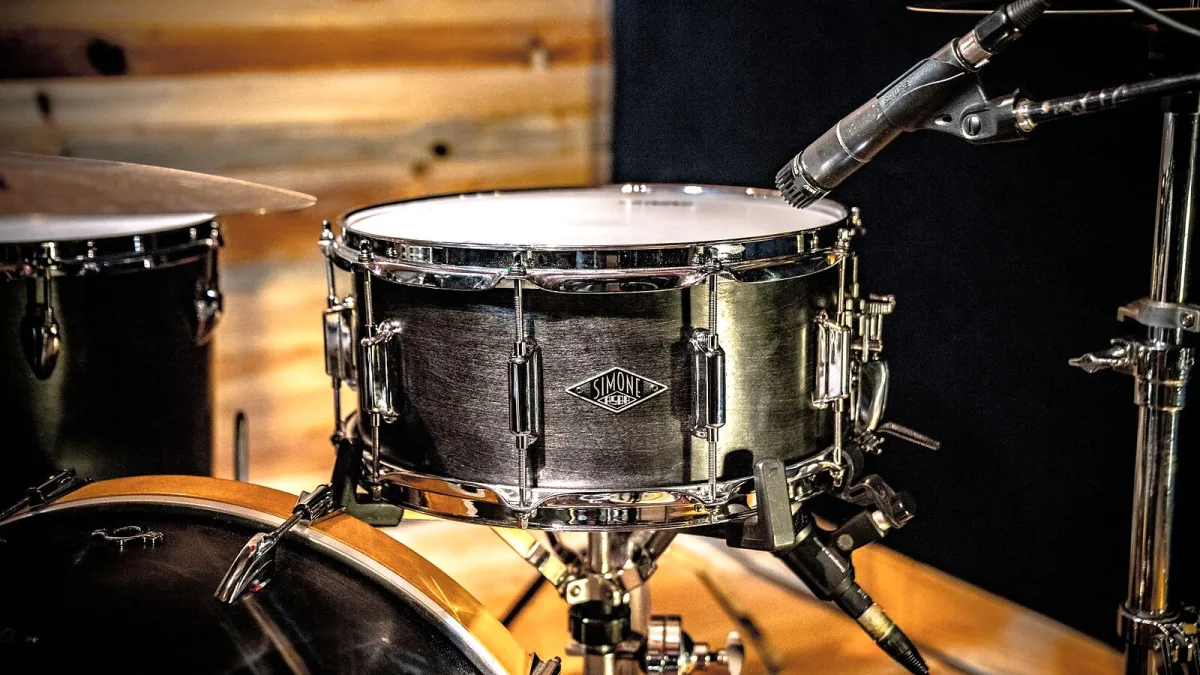
Right, so your drum's sounding a bit flat, or the old wires are rattling loose, and you've decided it's time to buy some new snare drum snares. Good move — it's one of the cheapest upgrades in drumming and one of the most noticeable. Here's exactly what to check before you buy, no jargon you don't need and no upselling.
Match the size to your drum first
Snare wires are made to fit a specific drum diameter, most commonly 14 inches, though 10, 12 and 13-inch sets exist for smaller drums. Get this wrong and the wires either won't reach the full width of the head or will bunch up awkwardly at the ends. Check your drum's diameter before you buy anything — it's stamped or listed with the shell, and it's the single easiest mistake to avoid.
Pick a material based on what you actually play
- Steel coiled wire is the standard choice for most kit players — bright, sensitive, and reliable across genres.
- Brass or bronze wires tend to sound a touch warmer and less aggressive, which some players prefer for jazz or quieter styles.
- Stainless steel holds up well to heavy, consistent gigging and resists corrosion better over time.
- Cable or gut-style snares are worth knowing about but are really an orchestral and concert-band choice, not a typical kit upgrade.
None of these is objectively "better" — they're different tools for different jobs, and the honest answer is that most players can't reliably tell brass from steel in a blind test at gig volume. Buy for the sound you're chasing, not the marketing copy.
Strand count: more isn't automatically better
You'll see counts ranging from around a dozen strands up to 40 or more. A higher count gives fuller, denser contact with the head; a lower count opens the sound up and lets more of your drum's actual tone through. If you're not sure, a mid-range count around 20 strands is a sensible, versatile starting point that suits most styles without pushing hard in either direction.
Check the end plates and mounting hardware
The end plates — the metal strips that gather the strands together at each side — need to fit your strainer and butt plate properly. Cheap or mismatched end plates are a common source of buzz and premature wear on snare drum snares, so it's worth buying a set from a reputable drum-hardware brand rather than the absolute cheapest option available, even if you're on a tight budget.
It's also worth checking how the manufacturer describes the gauge of the wire itself. A thinner gauge tends to respond more easily at low volume, while a thicker gauge holds up better under heavy, consistent playing without stretching or losing its shape over time. Neither is wrong, but knowing which you're buying helps you avoid a mismatch between your playing style and the set you end up with.
New, or worth trying second-hand?
Unlike heads or cymbals, a decent used set found bundled with a second-hand kit is usually fine to try, provided the strands aren't visibly bent, kinked or corroded and the end plates are intact. They're cheap enough new, though, that there's rarely a strong financial reason to go hunting for used ones specifically — it's more a case of not automatically discarding a perfectly good set that came with a drum you bought for other reasons.
New versus fitting them yourself
Fitting replacement snare drum snares yourself is genuinely straightforward and doesn't need a technician:
- Release the strainer and remove the old wires.
- Inspect the snare bed and resonant head for dust, damage or wear.
- Lay the new wires across the bed, keeping them centred and straight.
- Secure both ends evenly at the strainer and butt plate.
- Engage the strainer and bring the tension up gradually, testing as you go.
Take your time on step five in particular — small adjustments get you to a good sound far faster than one big twist of the knob.
What else to budget for
If your current strainer is old, worn or imprecise, it's worth replacing alongside the wires themselves rather than fighting a faulty mechanism with a brand-new set. It's a false economy to spend on good wires and then lose half their benefit to a strainer that won't hold tension properly.
For a broader look at how different types and tiers compare, our round-up of the best options for the money is worth reading, and if you're new to all this, our beginner's guide covers the basics without assuming prior knowledge.
The bottom line
Get the diameter right, pick a material and strand count suited to what you actually play, and don't cheap out on the end plates or the strainer. Do that, and a fairly modest purchase of new snare drum snares will genuinely transform how your drum sounds and responds.





Comments