


Practice Drum Kit article
Practice Drum Kit Explained: Features, Types and Tips
A practice drum kit is designed for quiet rehearsal rather than performance. There are several distinct categories, each with different trade-offs between sound, feel and cost.
A practice drum kit is a drum configuration — acoustic or electronic — designed primarily for quiet rehearsal rather than performance. The primary purpose is to allow regular playing without the volume levels of a standard acoustic kit. There are several distinct categories, each with different trade-offs between sound, feel and cost.
Electronic Drum Kits
An electronic drum kit is the most popular category of practice drum kit. The pads — typically made from rubber or mesh — are struck to trigger samples played through headphones or a speaker. Mesh heads are preferred for practice because they are significantly quieter than rubber and have a feel closer to an acoustic drum head. Leading electronic practice kits include the Roland TD series (TD-07, TD-17), the Yamaha DTX series (DTX402, DTX6K) and the Alesis range (Nitro, Command). Roland's mesh-head kits are the industry benchmark for feel and reliability at the consumer level.
Acoustic Kits with Low-Volume Heads
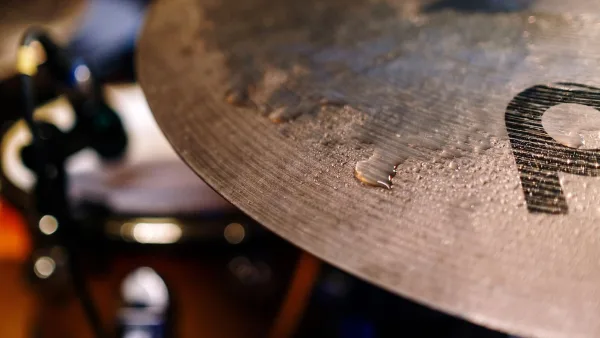
A standard acoustic drum kit fitted with low-volume drum heads — Remo SilentStroke, Evans dB One — produces significantly less volume than standard heads while maintaining an acoustic playing feel. This approach is useful for drummers who already own a kit and want to reduce its volume, or for players who prefer the resonance and touch of an acoustic shell. Volume reduction of 70–80 per cent is typical. The feel remains more natural than rubber pads, though not identical to standard heads. Low-volume cymbals complement this setup and further reduce the overall volume.
Practice Pad Kits
The quietest available option is a practice pad kit — individual rubber or gum pads mounted on stands to replicate a standard drum kit layout. These produce almost no sound beyond stick impact and are suitable for apartment buildings where any vibration transmission is a concern. They do not replicate the feel of an acoustic or electronic practice drum kit accurately, but they are the most effective solution for rudiment and co-ordination training in noise-sensitive environments. For buying recommendations, see our buyer's guide.




Comments