

Practice Drum Kit article
Common Practice Drum Kit Mistakes to Avoid
Players setting up a practice drum kit for the first time make predictable errors that affect noise levels and how effectively they practise. Here is how to fix each one.
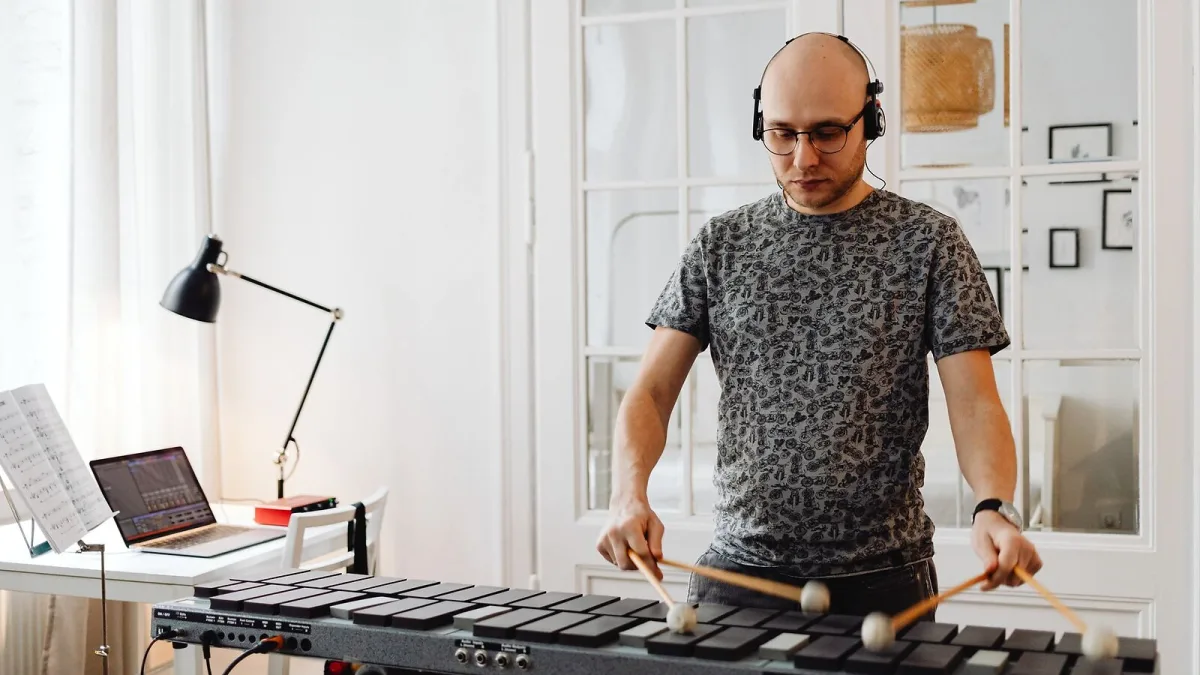
Players setting up a practice drum kit for the first time make predictable errors that affect both how useful the instrument is and how much noise it creates. Here are the most common, and how to fix each one.
Not Using an Anti-Vibration Mat
One of the most significant sources of noise from an electronic practice drum kit is not the pads themselves but the floor vibrations transmitted by the kick pedal and hi-hat stand. These vibrations travel through the building structure and can be audible in the flat below. Placing a thick rubber or foam mat under the entire kit — and a separate riser under the kick pedal in particular — reduces floor transmission significantly. This is a cheap and important first step for any player in a shared building. Drum-specific anti-vibration mats (Ahead Armor, Tama, Yamaha all make them) are more effective than generic foam underlay.
Using Rubber-Pad Kits When Mesh is Available
Rubber pads are louder and have a significantly different feel from mesh pads — the rebound and surface response differ enough that extended rubber-pad practice can develop habits that do not transfer well to acoustic playing. Mesh-head practice drum kit options are available from all major brands at accessible prices and are worth the extra cost over rubber-pad equivalents at the same tier. If budget is the constraint, saving for a mesh-head kit is preferable to buying a rubber-pad kit as a short-term compromise.
Practising Without a Metronome
The metronome built into every electronic drum module is the most important practice tool available. Playing without it is the most common mistake in self-taught drummers and produces timing issues that take significant time to correct later. Use the metronome from the first session, at a speed low enough to play each stroke accurately. The goal is to lock into the click — not to approximate it but to place each stroke precisely on the beat. Any session that does not involve a metronome at some point is incomplete. For buying advice to choose the right kit, see our buyer's guide.




Comments