


Guiro Music Instrument article
Everything You Need to Know About Guiro Music Instrument
Scrape a stick across a row of ridges and you've got the basic idea — here's why that simple design has held its place in Caribbean rhythm for centuries.
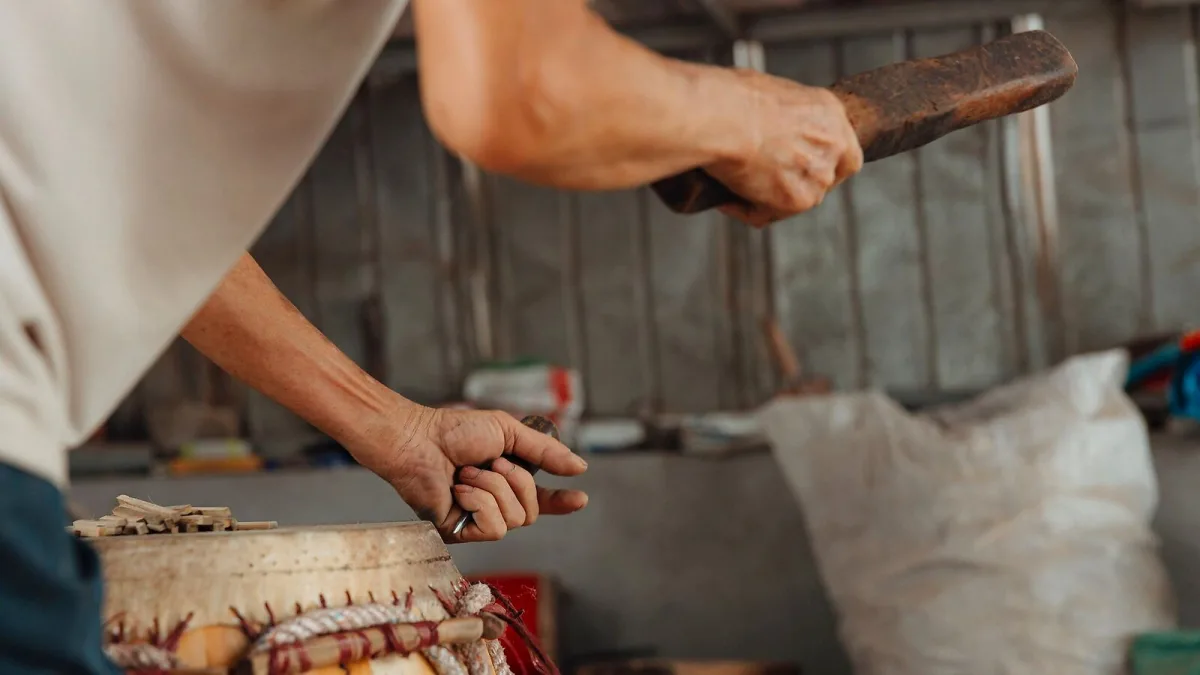
Scrape a stick across a row of ridges and you've got the basic idea of a guiro music instrument in one movement. It looks almost primitive next to a drum kit or a set of congas, but that simplicity is exactly why it's held its place in Caribbean rhythm sections for centuries, and why it's worth actually understanding rather than dismissing as "just the scraper thing".
What Kind of Instrument Is a Guiro?
Technically, a guiro is an idiophone — an instrument that produces sound through the vibration of its own body, rather than through strings, a stretched membrane or a column of air. Traditionally it's made from the dried fruit of the higuero tree, hollowed out and carved with parallel grooves along one side. One hand holds the body; the other drags a scraper — a stick, pick or piece of metal — back and forth across those grooves to produce its dry, ratcheting rasp.
How It's Actually Built
Strip a guiro music instrument down to its essentials and you'll find the same handful of elements every time: a hollow body acting as a resonating chamber, parallel grooves cut across the surface, some kind of opening, finger holes or handle for holding it steady, and a separate scraper to drag across the ridges. The grooves aren't decorative — they're what create the repeated contact points that give the instrument its whole voice. Change the groove spacing and you change the character of the rasp entirely.
Where It Comes From
The instrument is widely described as pre-Columbian, with strong documented ties to the Taino people of the Caribbean. It became deeply embedded in Puerto Rican and Cuban musical culture — you'll hear it in plena, bomba and danza, and across son, trova, bolero, cha-cha-cha and salsa. Both Puerto Rico and Cuba have genuinely important guiro traditions, so it's inaccurate to claim the instrument as belonging to just one of them.
The Wider Family of Scrapers
Once you know what a guiro is, it's worth knowing its relatives — related instruments across Latin America that share the same basic scraping principle but differ in build and role.
| Instrument | Region | Typical build |
|---|---|---|
| Guiro | Puerto Rico / Cuba | Gourd, wood, plastic or fiberglass |
| Guira | Dominican Republic | Metal, central to merengue |
| Guayo | Cuba | Often metal |
| Guacharaca | Colombia | Elongated, ribbed body |
| Reco-reco | Brazil | Several forms, wood or bamboo |
They're easy to mix up by sound alone, but they're genuinely distinct instruments with their own regional identity — not just regional nicknames for the same thing.
How It's Played
The basic vocabulary is simple even if mastering the feel takes time: long scrapes produce a continuous, sustained rasp, while short scrapes give a compact, accented hit. Alternating upstrokes and downstrokes builds repeated rhythmic patterns, and pressure and speed both shape the tone — more pressure and speed brighten and sharpen the sound, while easing off opens it out. In a band, it almost never plays alone; it interlocks with claves, maracas, congas and cowbell to build the groove underneath everything else.
Recording and Live Sound
In a studio setting, a guiro music instrument is usually captured with a close condenser or dynamic microphone placed near the ridges but slightly off-axis, which softens the harshest transient noise while still catching the detail of the scrape. A second, more distant microphone can pick up the body's natural resonance if the arrangement calls for it. The right approach genuinely depends on the specific instrument in front of you — a natural gourd behaves differently from a metal or fiberglass model, so it's worth listening and adjusting rather than following one fixed recipe every time.
Modern Materials
Natural gourd is still prized for its traditional tone, but modern manufacturers also produce guiro music instruments from wood, plastic, fiberglass and metal — each trading a bit of that traditional character for more consistent dimensions, better humidity resistance and generally easier maintenance. None is strictly "better"; they're different tools suited to different situations, from a gigging touring band to a school music room.
Where to Go From Here
That's the shape of the instrument — construction, history and technique. If you're actually shopping for one, our buyer's guide covers material and design choices properly. New to playing one? Our beginner's guide walks through your first strokes. And if you want a straight recommendation by use case, see the best guiro music instruments for the money.





Comments