


Steel Band Drums article
Steel Band Drums for Beginners: A Complete Guide
It looks like a strange, dented drum from the outside. Give it a fortnight and steel band drums start to feel like the friendliest instrument in the room.
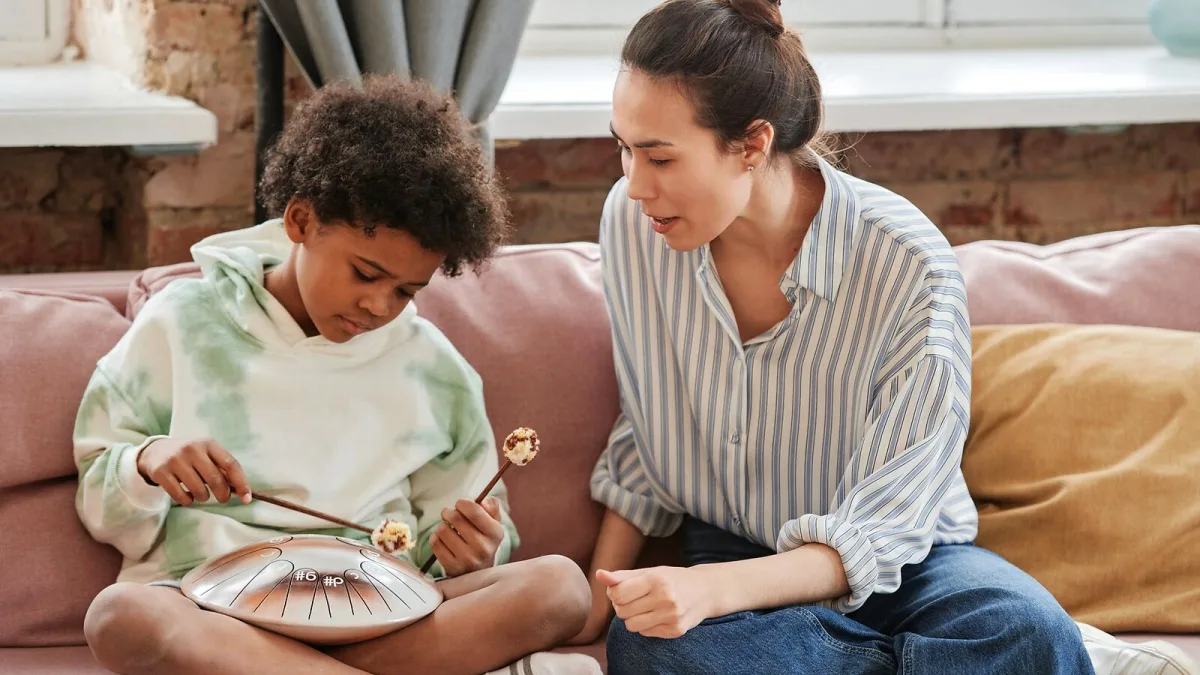
Right, so you've heard a steel band and now you fancy having a go yourself — good choice. Steel band drums (properly called steelpans, though nobody minds either name) look daunting because the surface is covered in shapes and dents that mean nothing to a newcomer. Here's the honest, no-hype version of getting started: what to buy, what your first few sessions actually feel like, and why it's a friendlier instrument to learn than it looks.
Get a tenor pan, not a whole set
Don't let anyone talk you into a full set of pans on day one. The tenor pan is the highest-pitched, single-drum member of the family, it's the most affordable way in, and it's the one most beginner material is written for. A double tenor or a bass pan can wait until you actually know you want to keep going — there's no prize for owning more pans than you can play.
Your first session will feel a bit odd, and that's normal
Unlike a guitar or a keyboard, a steelpan doesn't arrange its notes in an obvious straight line. The layout looks scattered because it's built around the fourths-and-fifths pattern that tuner Anthony Williams helped establish decades ago, and it takes a little while to feel natural. Don't panic if the first half hour is just poking at notes to see where they are — that's exactly what everyone does, including players who are now genuinely good.
Start by finding middle C (most instruments and teachers will show you exactly where it sits) and working outward from there. You're building a mental map, not memorising a formula, and that map gets faster with every session.
Technique matters more than force
New players almost always hit too hard, assuming that's how you get volume. It isn't. A steelpan responds to a controlled wrist action with light, rubber-tipped mallets — a firm, relaxed strike near the centre of a note gives you a fuller, louder sound than a wild swing ever will. If your wrist feels tense after ten minutes, you're gripping too hard. Loosen up.
A few habits worth building early:
- Let the mallet bounce off the note rather than pressing into it.
- Practise slowly before you try anything fast — speed comes from accuracy, not the other way round.
- Use both hands from the start, even if one feels clumsy at first. Steelpan playing is naturally two-handed.
- Damp a note with your mallet when you need it to stop ringing, rather than just letting everything blur together.
Looking after your first pan
You don't need a special routine, just common sense. Keep it out of direct sun and away from damp, since both can affect the steel and its finish over time. Store it upright on its stand rather than face-down, wipe it over occasionally, and resist any temptation to "fix" a note yourself if it starts sounding off — that's a job for a proper tuner, not a weekend project with a hammer. A beginner instrument treated with basic care will happily see you through your first year or two of playing.
Find a teacher or a steelband if you can
You can absolutely make progress alone, but this instrument was built for playing in groups, and a lot of the "feel" of steelpan music — especially calypso and soca — comes from playing alongside other pans. Community steelbands, school groups and university ensembles across Britain regularly take on beginners, and playing with people who already know the ropes will fast-track you past mistakes a book or video can't catch.
If you haven't bought your first pan yet, our buyer's guide to steel band drums walks through what to actually check before you hand over any money, and once you're settled in, our overview of the instrument's history and construction is worth a read — it makes a lot more sense once you've actually held one.
The worries almost everyone has
"I'm not musical enough" — nobody starts out able to read a pan's layout at speed. It's a skill you build, not a talent you either have or don't.
"I'll damage it" — a decent entry-level pan played with proper mallets and reasonable care isn't fragile. Just don't strike it with anything hard, and don't attempt to retune it yourself.
"I don't read music" — plenty of steelband players learn by ear and by watching, especially in the Trinidadian tradition the instrument comes from. Notation helps, but it's not a locked door.
The bottom line
Getting started on steel band drums is mostly about patience in the first few weeks: get a single tenor pan, learn its layout slowly, keep your technique light, and find other people to play with as soon as you reasonably can. It looks like a strange, dented drum from the outside. Give it a fortnight and it starts to feel like the friendliest instrument in the room.




Comments