


Steel Band Drums article
Common Steel Band Drums Mistakes to Avoid
Most steelpan mistakes come down to one thing: treating it like an ordinary percussion instrument instead of the finely tuned instrument it actually is.
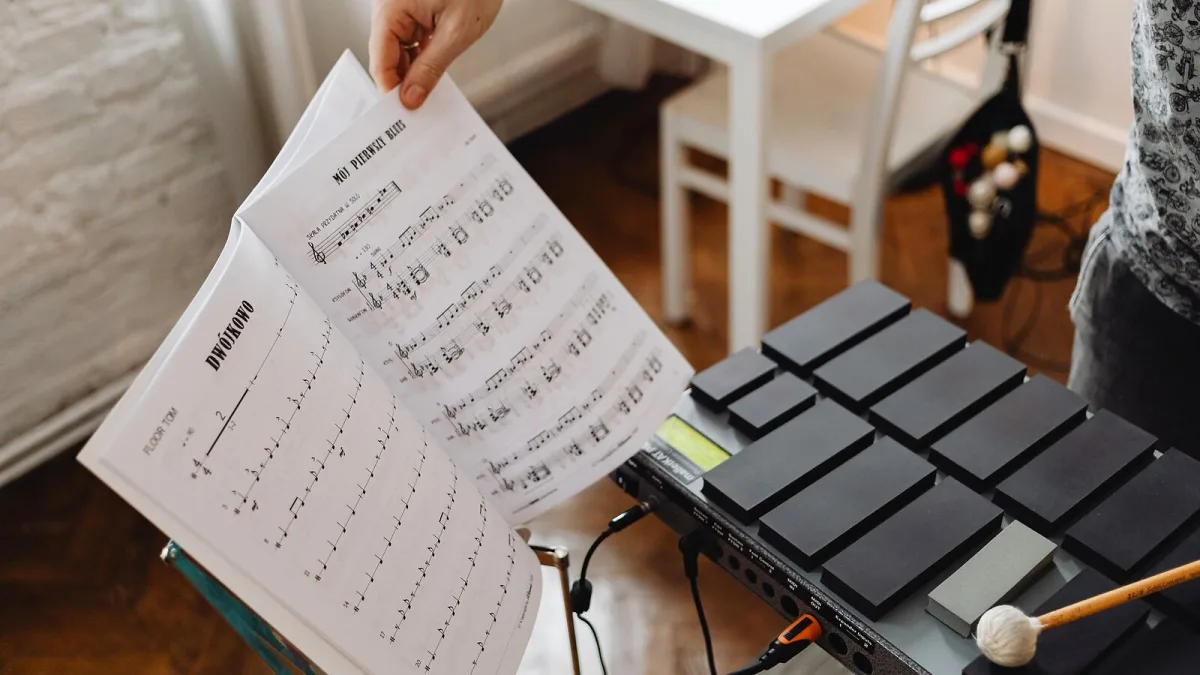
Right, let's talk about the errors I see people make over and over with steel band drums. None of these are complicated to avoid once you know they're coming, but they trip up a lot of players and a fair few parents buying for their kids. Here are the mistakes worth knowing about before you spend money or time on the wrong thing.
Mistake 1: buying the wrong register first
People sometimes buy a bass or cello pan because it looks impressive, or because a whole set was on offer as a bundle. Unless you're outfitting an entire band, this is the wrong move. A tenor pan is the standard entry point — it's the highest register, the most portable, and the one almost all beginner repertoire is written around. Buy for where you are now, not for the ensemble you might join in two years' time.
Mistake 2: hitting too hard
This one's near-universal with beginners. The instinct is that more force equals more volume, but a steelpan doesn't work that way. Striking too hard just distorts the note and tires you out fast, while a controlled, relaxed wrist action with a light mallet actually projects better. If your arm aches after ten minutes, that's the instrument telling you something.
Mistake 3: using the wrong mallets
Grabbing whatever mallets happen to be lying around — drum sticks, hard xylophone beaters, anything with no give — is a fast way to damage a note area. Steel band drums are played with soft, rubber-tipped mallets matched to the pan's register: firmer for the lower pans, softer for tenor. The wrong mallet doesn't just sound bad, it can genuinely knock a note out of tune over time.
Mistake 4: attempting your own retuning
A note starts sounding slightly off and the temptation is to have a go with a hammer. Don't. Tuning a pan properly involves managing not just the fundamental pitch but the overtones as well, and it takes tuners years to get right. An amateur attempt very often makes a note significantly harder to fix than if it had just been left alone and taken to someone qualified.
Mistake 5: ignoring storage and environment
Leaving a pan in direct sun, in a damp shed, or in a car boot through a British winter is asking for trouble. Steel is more affected by temperature and moisture than players expect, and a finish that's cracked or corroded doesn't just look bad — it can affect how the note areas hold their tuning. Store it upright, indoors, out of direct sunlight, and it'll last considerably longer.
Mistake 6: skipping lessons or a group because it seems unnecessary
Steel band drums are learnable alone, but a huge amount of the instrument's feel — timing, dynamics, the interplay between registers — only really clicks when you're playing alongside other pans. Skipping a teacher or a local steelband to save time or money often means picking up habits that are harder to correct later than they would have been to avoid from the start.
Mistake 7: assuming price alone signals quality
A high price tag doesn't automatically mean a well-tuned instrument, and a modest one isn't automatically poor. What actually matters is how the individual notes were tuned and voiced, not the number on the receipt. Always listen to a pan yourself, or get a trusted recording of every note, before assuming cost equals quality.
Mistake 8: forgetting the stand and case
New buyers often budget for the pan itself and nothing else, then discover a decent stand and a case cost real money too. A wobbly or improvised stand isn't just annoying — it's a genuine risk to an expensive instrument if it tips mid-practice. Factor stands, cases and mallets into the total cost of steel band drums from the outset, rather than treating them as an afterthought once the pan has already arrived.
| Mistake | Quick fix |
|---|---|
| Buying the wrong register | Start with a single tenor pan |
| Hitting too hard | Use a relaxed wrist, not arm force |
| Wrong mallets | Use rubber-tipped mallets matched to register |
| DIY retuning | Always use a qualified tuner |
| Poor storage | Keep it dry, indoors, out of direct sun |
| Skipping a group | Join a steelband or find a teacher early |
If you'd like the fuller picture before you buy, our buyer's guide covers what to check on the instrument itself, and our beginner's guide walks through getting started properly from day one. If you're weighing up which price tier actually makes sense, the round-up by budget is worth a read too.
The bottom line
Nearly every mistake here comes down to the same thing: treating a steelpan like an ordinary percussion instrument rather than the finely tuned melodic instrument it actually is. Get the register right, keep your touch light, look after the storage, and leave the tuning to someone qualified, and you'll avoid the errors that catch out most newcomers.





Comments