


Instrument Agogo article
Instrument Agogo for Beginners: A Complete Guide
No chord shapes to memorise, no parts to assemble — just a proper technique worth getting right from day one. Here's how to start playing the agogo.
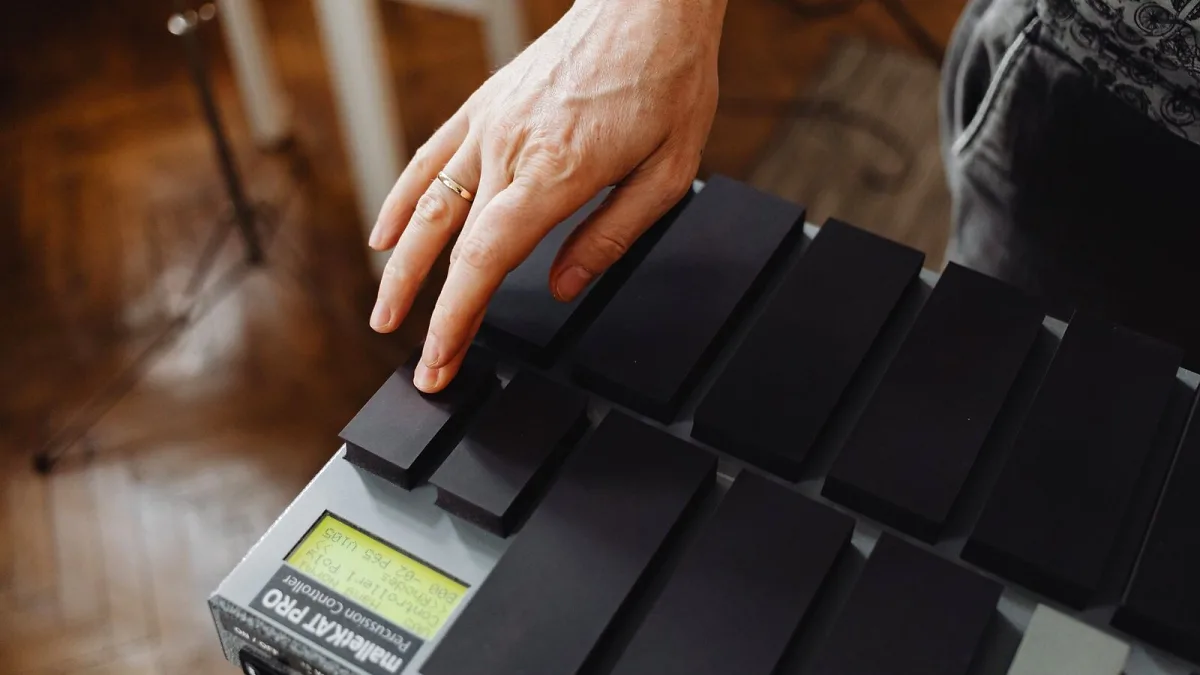
Learning the agogo is one of the friendlier starts you can make in percussion, and this agogo guide rewards patience more than raw natural talent — there's no chord shapes to memorise and no long list of parts to assemble. There is, however, a proper technique underneath the simplicity, and getting it right from day one will save you re-learning habits later. Let's take it step by step.
What You're Actually Learning
With an agogo, two skills sit underneath everything else: producing a clean, consistent sound from each bell, and keeping a steady pulse while you move between them. Neither is complicated on its own, but combining them smoothly, without rushing or losing the beat, is where the real learning happens. Almost every mistake a beginner makes traces back to skipping one of these two basics.
Choosing a Simple First Instrument
For your first agogo, a standard two-bell samba-style design, with a rigid frame or handle rather than a loose flexible rod, is the easiest starting point. The fixed frame makes the strike more predictable while you're still building control, and a two-bell design keeps the pattern-learning side of things simple until the basic technique feels natural.
How to Hold and Strike It
Here's a straightforward routine for getting the basic agogo technique right:
- Hold the handle or connector firmly in one hand, keeping your grip loose enough that the bells stay free to ring.
- Hold the beater comfortably in your other hand, gripped near the base rather than right up against the striking end.
- Strike the larger bell near its front third, listening for a clear, full tone rather than a dull thud.
- Strike the smaller bell in the same spot, and compare the pitch and clarity against the larger bell.
- Practise alternating between the two bells slowly, keeping the volume and tone even on both sides.
- Add the muted click once alternating feels comfortable, by gently squeezing the two bells together right after a strike.
Go slowly through each step before moving to the next one. There's no benefit to rushing toward speed before the basic tone is consistent.
Practising the Basic Pattern
Once you can alternate cleanly, bring in a metronome and practise a simple repeating pattern: strike the low bell, then the high bell, then a muted click, and repeat. Keep the tempo slow enough that every strike stays even and deliberate. Speed will come naturally once your hands know the agogo pattern without you having to think about it — trying to rush this stage is the single most common reason beginners plateau early.
Common Early Struggles
- Choking the sound by gripping the handle too tightly, which stops the bells ringing freely.
- Uneven volume between the two bells, usually from striking each one at a slightly different spot.
- Losing the pulse when adding the muted click, since it briefly changes the feel of the pattern.
All three fade with practice. None of them mean you're doing something fundamentally wrong with your agogo — they're just the normal texture of learning a new instrument.
How Long Before It Feels Natural?
Most beginners find the basic alternating strike comfortable within a few short practice sessions, though genuinely even tone and confident speed usually take longer — a matter of weeks of regular short practice rather than one long session. Ten focused minutes a day with your agogo will get you there faster than an occasional hour-long attempt, mainly because the muscle memory for a clean, consistent strike builds through repetition, not effort.
Where to Go From Here
Once the agogo basics feel settled, it's worth learning a real pattern from a specific tradition — samba, capoeira or otherwise — rather than inventing your own indefinitely. Our full overview of the agogo covers where those traditions come from, and if you're shopping for a better instrument once you've outgrown a starter model, our buyer's guide is the natural next stop.
The Bottom Line
Learning to play the agogo well is mostly a matter of patience: clean, even strikes before speed, and a steady pulse before pattern complexity. Get those two things right early and everything else builds on solid ground. Once you're playing regularly, our list of common mistakes is worth a read to make sure old habits don't creep in.



Comments