


Instrument Agogo article
Common Instrument Agogo Mistakes to Avoid
Most agogo problems don't come from bad luck. They come from a handful of habits that quietly creep in and never get corrected.
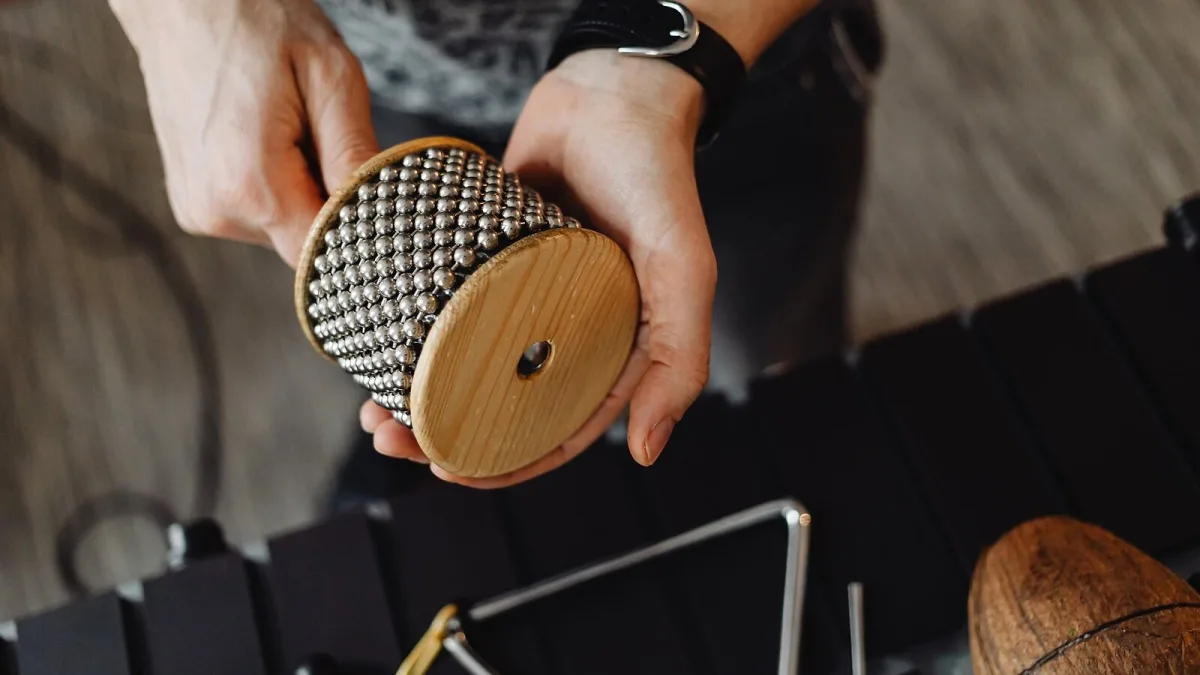
Most problems with an agogo don't come from bad luck or a faulty instrument — they come from a handful of habits that quietly creep in and never get corrected. Here's what actually goes wrong most often with an agogo, and the straightforward fix for each one.
Gripping the Handle Too Tightly
This is the single most common mistake, and it's an easy one to miss in yourself. Squeeze the connector too hard and the bells can't ring freely, leaving you with a dull, choked sound instead of a clear tone. The fix is simple: hold it firmly enough for control, but loosely enough that you can feel the bells vibrating against your hand as you play.
Striking Every Note With Equal Force
A lot of beginners treat every strike as equally important, which flattens out patterns that actually depend on accents and quieter, ghosted attacks to make sense. Real agogo parts, especially in samba and Candomblé traditions, rely on dynamic variation to sit properly within a larger ensemble. Listen to a full recording, not just an isolated agogo track, and you'll hear how much the dynamics actually matter.
Using the Wrong Beater for the Job
A heavy metal beater might feel satisfying to swing, but used carelessly it can deform thin bells, loosen welds over time, or simply produce a harsher sound than the music calls for. If your agogo sounds unexpectedly aggressive or is showing signs of wear at the strike points, the beater is the first thing worth checking, not the bells themselves.
Striking in the Wrong Spot
Where you strike changes the tone more than most players expect. Hitting too close to the rim gives a thin, overly bright sound, while striking too far down produces something dull and undefined. The front third of the bell is usually the sweet spot, and it's worth spending a few minutes deliberately experimenting across the bell's surface to hear the difference for yourself.
Ignoring Where the Pattern Actually Comes From
It's tempting to invent a pattern that sounds roughly right and call it done, but agogo parts in traditions like Candomblé, samba and capoeira carry real cultural weight and specific musical logic. Learning an authentic pattern, ideally from a teacher or a reliable source rather than guesswork, will make far more musical sense than an approximation — and it shows real respect for where the instrument and its music actually come from.
Poor Microphone Placement When Recording
If you're recording rather than playing live, close-miking a single bell can badly unbalance the sound between the two pitches. A dynamic microphone placed a little further back, or a careful stereo pair, will usually capture both bells more evenly than a mic jammed right up against one side.
Neglecting Basic Care Between Sessions
An agogo left in a damp case or knocked around loose in a gig bag will eventually show it, usually as a dulled tone, a dent, or a weld that starts to loosen. Wiping it down after a sweaty gig and storing it somewhere it can't get knocked against harder gear costs nothing and adds years to how long it stays sounding right.
A Quick Reference
| Mistake | What it causes | Easy fix |
|---|---|---|
| Gripping too tightly | Dull, choked tone | Loosen your hold on the connector |
| Equal-force striking | Flat, lifeless patterns | Add dynamic accents deliberately |
| Wrong beater | Harsh tone, bell damage | Match beater to the instrument and music |
| Wrong strike position | Thin or dull tone | Aim for the front third of the bell |
The Bottom Line
None of these agogo mistakes require a new agogo to fix — just a bit of attention to grip, dynamics, strike position and where the pattern you're playing actually came from. Catch them early and your playing, and your instrument, will both hold up a lot better over time. If you're still building the basics, our beginner's guide covers the fundamentals properly, and our full overview is worth a read for the wider context behind the instrument.




Comments