


Drum Pad roundup
The Best Drum Pads for the Money
No invented benchmarks — just an honest look at what entry-level, mid-range and professional drum pads actually get you for the money.
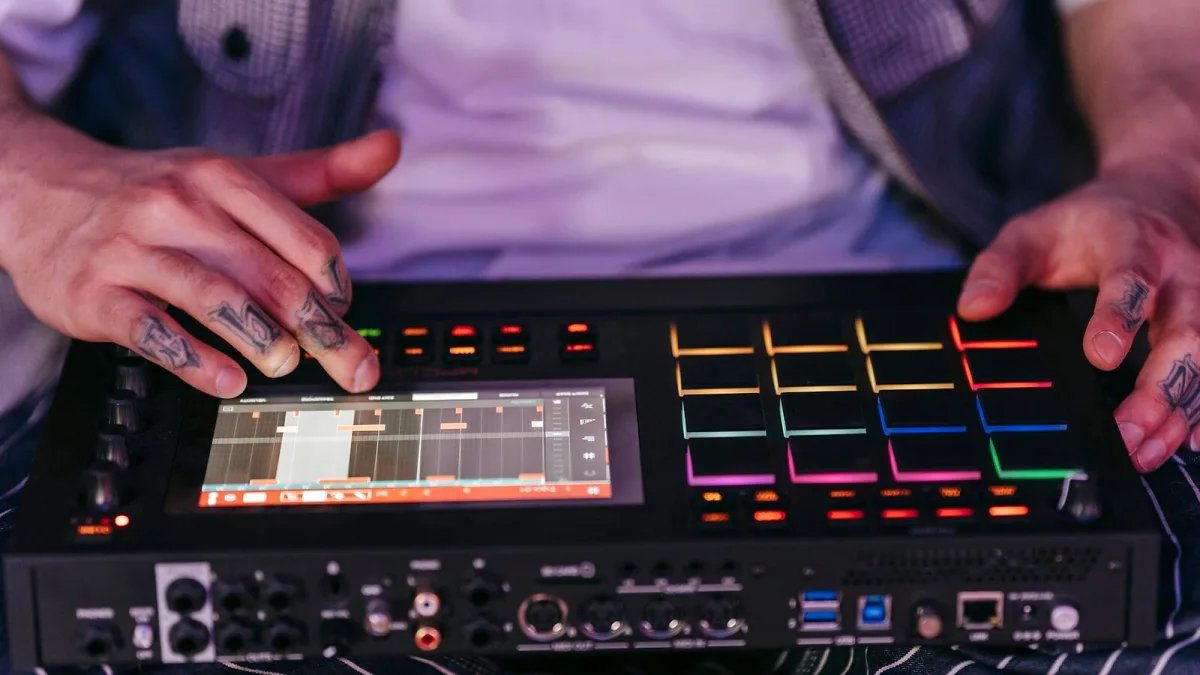
"Best" is a slippery word when it comes to drum pads, so let's be straight about what this actually is: not a lab test, not a hands-on review of every unit on the market, but an honest look at what you get for your money at each price point, and who each tier actually suits. No invented benchmarks, just the categories of options and where the real trade-offs sit.
Work out your tier before you shop for drum pads
Price tiers in this market roughly split into three: entry-level, mid-range, and professional. What changes as you climb isn't just build quality — it's pad count, zone support, onboard storage, effects processing and how well the unit holds up in a live setting. Knowing which tier you're shopping in saves a lot of wasted comparison time.
Entry-level: technique and small setups
At the bottom end, you're mostly choosing between simple acoustic practice pads and basic single- or dual-zone electronic pads aimed at compact kits. This tier suits:
- Anyone building technique who doesn't need triggering or sounds at all — just rebound and quiet.
- Players expanding a starter electronic kit with a spare pad, rather than building a whole rig from scratch.
- Anyone testing the waters with electronic percussion before committing to a bigger spend.
Don't expect extensive sample storage, multiple trigger inputs or individual audio outputs at this level — and you shouldn't need them yet. If you're completely new to this world, our beginner's guide to drum pads is a better starting point than a shopping list.
Mid-range drum pads: the sweet spot for most players
This is where sampling pads and multipads properly earn their keep. Onboard sounds, a reasonable number of playable zones, basic effects and enough storage for a set's worth of samples or backing tracks. It's also where MIDI controller pads aimed at serious home production sit — solid pad feel and velocity response, without professional-tier pricing.
Mid-range suits:
- Working musicians who need to trigger samples or loops at gigs but don't need a full professional rig.
- Home producers who want a proper pad controller for finger drumming and beat-making.
- Drummers building a hybrid acoustic/electronic setup who need one or two solid trigger pads, not a dozen.
Professional: built for the road
At the top sits equipment like the Roland SPD-SX PRO, the Yamaha DTX-MULTI 12 and the Alesis Strike Multipad — units built around large sample libraries, extensive trigger expansion, individual outputs and workflow features aimed squarely at touring and professional live use. The jump in price at this tier buys you headroom: more storage, more simultaneous outputs, sturdier build for life in a flight case, and software that makes managing large sample libraries and set lists manageable under pressure.
These are the drum pads that make sense for touring drummers, theatre and worship production teams, and full-time session players — not for someone practising rudiments in a spare room. If you're not sure that's you yet, our buyer's guide will help you work out which tier actually fits your needs before you spend at this level.
Comparing the tiers at a glance
| Tier | Typical zones/pads | Best suited to |
|---|---|---|
| Entry-level | Single or dual-zone, few pads | Technique practice, small kit expansion |
| Mid-range | Multiple zones, moderate storage | Gigging musicians, home producers |
| Professional | Extensive zones, large storage, expansion | Touring, theatre, full-time session work |
What actually justifies paying more
Across every tier, the genuine value jumps come from the same handful of things: better velocity response and crosstalk rejection, more trigger inputs for expansion, individual audio outputs for live mixing, larger onboard storage, and software support that gets you set up faster. Flashy marketing language rarely tells you which of these you're actually getting — the spec sheet does.
Where a controller beats a self-contained unit at any budget
If your sounds already live in software, don't pay for onboard sound generation you'll never touch. A MIDI controller — the sort of thing built around Akai's MPD line — can out-value a self-contained sampling pad at a similar price, simply because the money goes into pad feel and connectivity rather than internal sounds you won't use.
The bottom line
The best drum pads aren't the most expensive ones, or the ones with the longest spec sheet — they're whichever tier actually matches what you'll use them for. Work out entry-level, mid-range or professional first, then compare within that tier rather than across the whole market. Get the tier right and almost any reputable option in it will serve you well; get it wrong and even a superb unit will feel like the wrong tool. And once you've got one, it's worth reading through the common mistakes people make so you don't undo a good purchase with a bad setup.




Comments